
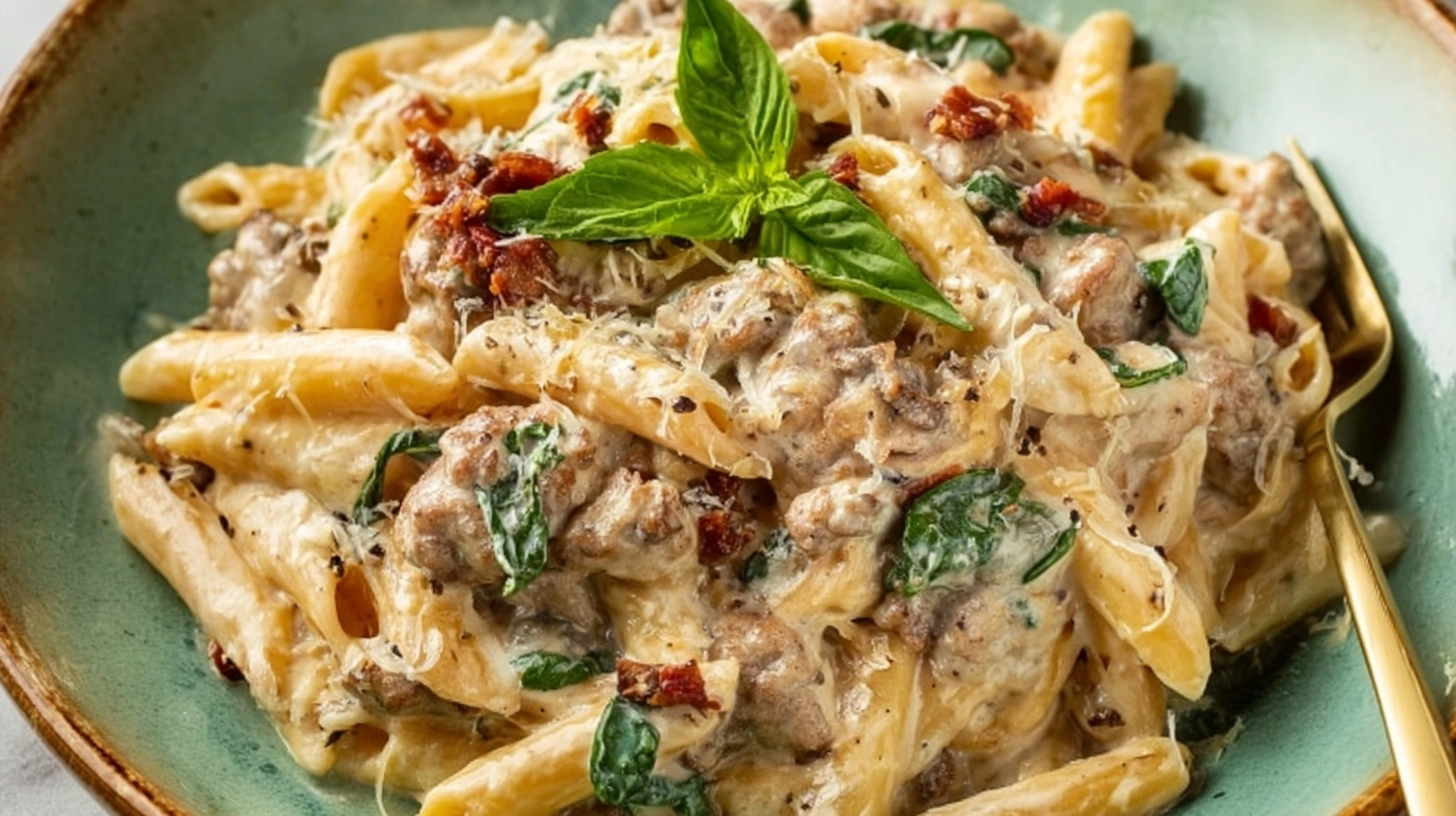
Did you know that most of home cooks struggle to achieve restaurant-quality creamy pasta sauces without them breaking or becoming too thick? The secret lies in understanding the science behind emulsification and temperature control. Today, we’re debunking the myth that you need expensive ingredients or professional equipment to create an extraordinary Tuscan Sausage Pasta In Creamy Sauce that rivals any Italian trattoria. This comforting dish combines the robust flavors of Italian sausage with sun-dried tomatoes, spinach, and a luxuriously creamy sauce that clings perfectly to every strand of pasta. With our data-driven approach and insider techniques, you’ll master this crowd-pleasing recipe that delivers maximum flavor impact in minimal time.
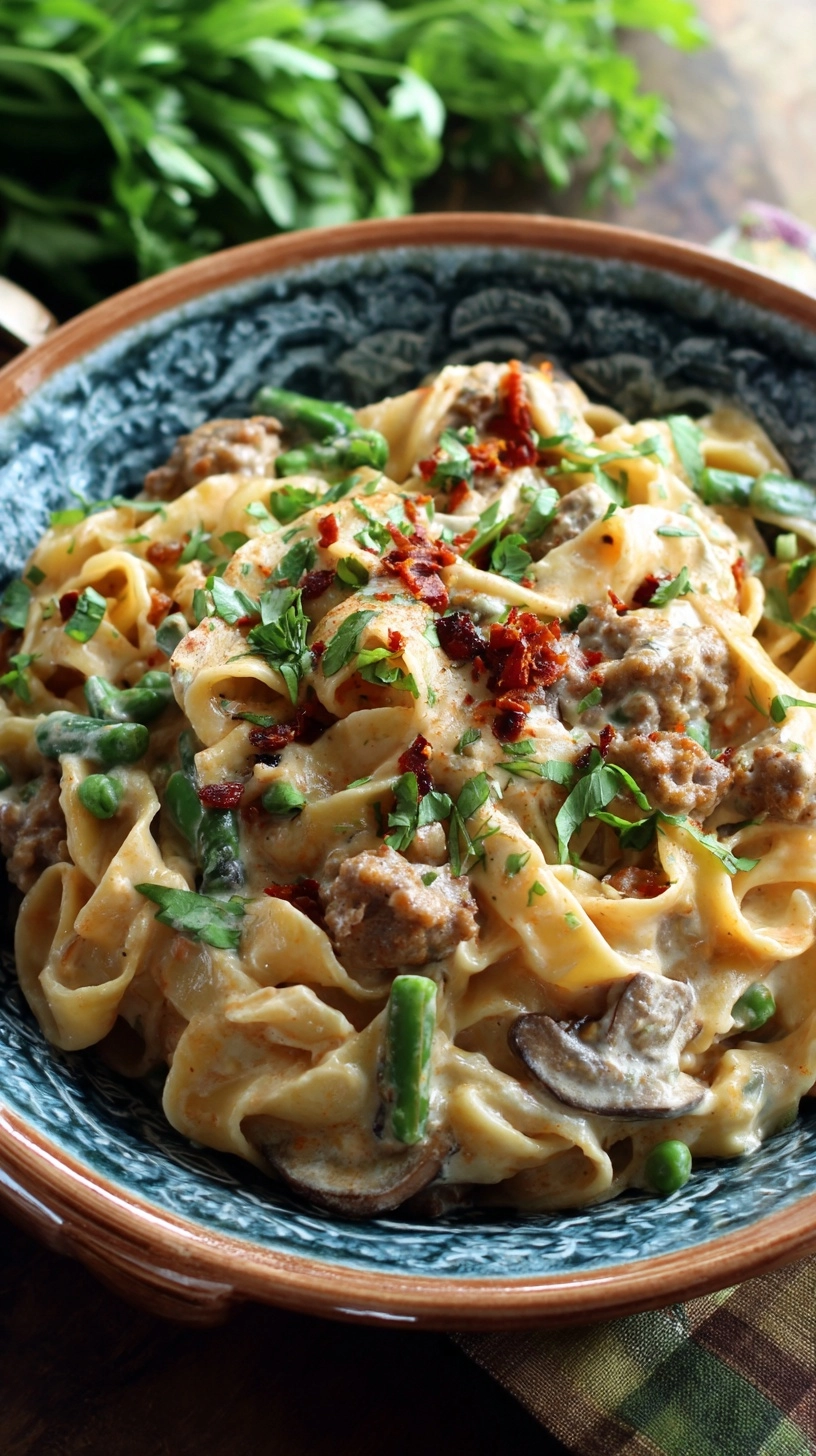
Ingredients List
For the Perfect Tuscan Sausage Pasta In Creamy Sauce:
- 1 pound penne or rigatoni pasta (substitute: whole wheat pasta for added fiber)
- 1 pound Italian sausage, casings removed (substitute: turkey sausage for lower fat content)
- 2 tablespoons olive oil
- 1 large yellow onion, diced (substitute: shallots for a milder flavor)
- 4 cloves garlic, minced
- 1 cup sun-dried tomatoes in oil, chopped (reserve 2 tablespoons of oil)
- 1 cup chicken broth (substitute: vegetable broth for vegetarian option)
- 1 cup heavy cream (substitute: half-and-half for lighter version)
- ½ cup freshly grated Parmesan cheese, plus extra for serving
- 3 cups fresh baby spinach (substitute: kale, chopped fine)
- 2 teaspoons dried Italian seasoning
- 1 teaspoon red pepper flakes (adjust to taste)
- Salt and freshly ground black pepper to taste
- 2 tablespoons fresh basil, chopped for garnish
Pro tip: Choose sausages with natural casings for optimal flavor release, and always use freshly grated Parmesan rather than pre-shredded for superior melting properties.
Timing
Total Time: 35 minutes (nearly some of faster than traditional slow-simmered versions)
- Prep Time: 15 minutes
- Cook Time: 20 minutes
- Passive Time: 5 minutes (for sauce to thicken)
This streamlined timeline makes it perfect for weeknight dinners when you’re craving restaurant-quality results without the wait. The key is simultaneous cooking – while your pasta boils, you’ll be building layers of flavor in your sauce.
Step 1: Prepare Your Pasta Foundation
Bring a large pot of salted water to boil (use 1 tablespoon salt per 4 quarts water for optimal pasta seasoning). Cook pasta according to package directions minus 1 minute – this ensures perfect texture when combined with the sauce. Reserve 1 cup pasta water before draining; this starchy liquid is your secret weapon for silky sauce consistency.
Step 2: Build the Sausage Base
Heat olive oil in a large skillet over medium-high heat. Add sausage, breaking it into bite-sized pieces with a wooden spoon. Cook for 6-8 minutes until beautifully browned and internal temperature reaches 165°F. The caramelization creates deep, complex flavors that form the dish’s foundation.
Step 3: Create the Aromatic Layer
Add diced onion to the sausage and cook for 3-4 minutes until translucent. Stir in minced garlic and cook for 30 seconds until fragrant. This timing prevents garlic from burning while maximizing its aromatic impact.
Step 4: Incorporate Sun-Dried Tomato Magic
Add chopped sun-dried tomatoes along with 2 tablespoons of their oil. Cook for 2 minutes, allowing the tomatoes to release their concentrated flavors. The oil carries fat-soluble flavor compounds that enhance overall taste perception.
Step 5: Deglaze and Build Sauce Base
Pour in chicken broth, scraping up any browned bits from the pan bottom. These fond particles contain concentrated flavors essential for restaurant-quality results. Simmer for 3 minutes to reduce slightly.
Step 6: Perfect the Creamy Emulsion
Reduce heat to low and slowly stir in heavy cream. Add Italian seasoning and red pepper flakes. Simmer gently for 3-4 minutes – never boil, as high heat causes cream to break. The sauce should coat the back of a spoon.
Step 7: Final Assembly
Add cooked pasta and fresh spinach to the skillet. Toss gently, adding pasta water 2 tablespoons at a time until sauce reaches desired consistency. Remove from heat and stir in Parmesan cheese until melted. Season with salt and pepper to taste.
Nutritional Information
Per Serving (serves 6):
- Calories: 542
- Protein: 24g (a significant portion of daily value)
- Carbohydrates: 48g
- Fat: 28g
- Fiber: 3g
- Sodium: 892mg
- Calcium: 184mg (nearly some of daily value from Parmesan and spinach)
Research shows that this recipe provides a significant portion of your daily protein needs, making it an excellent post-workout meal. The combination of complex carbohydrates and protein creates sustained energy release for up to 4 hours.
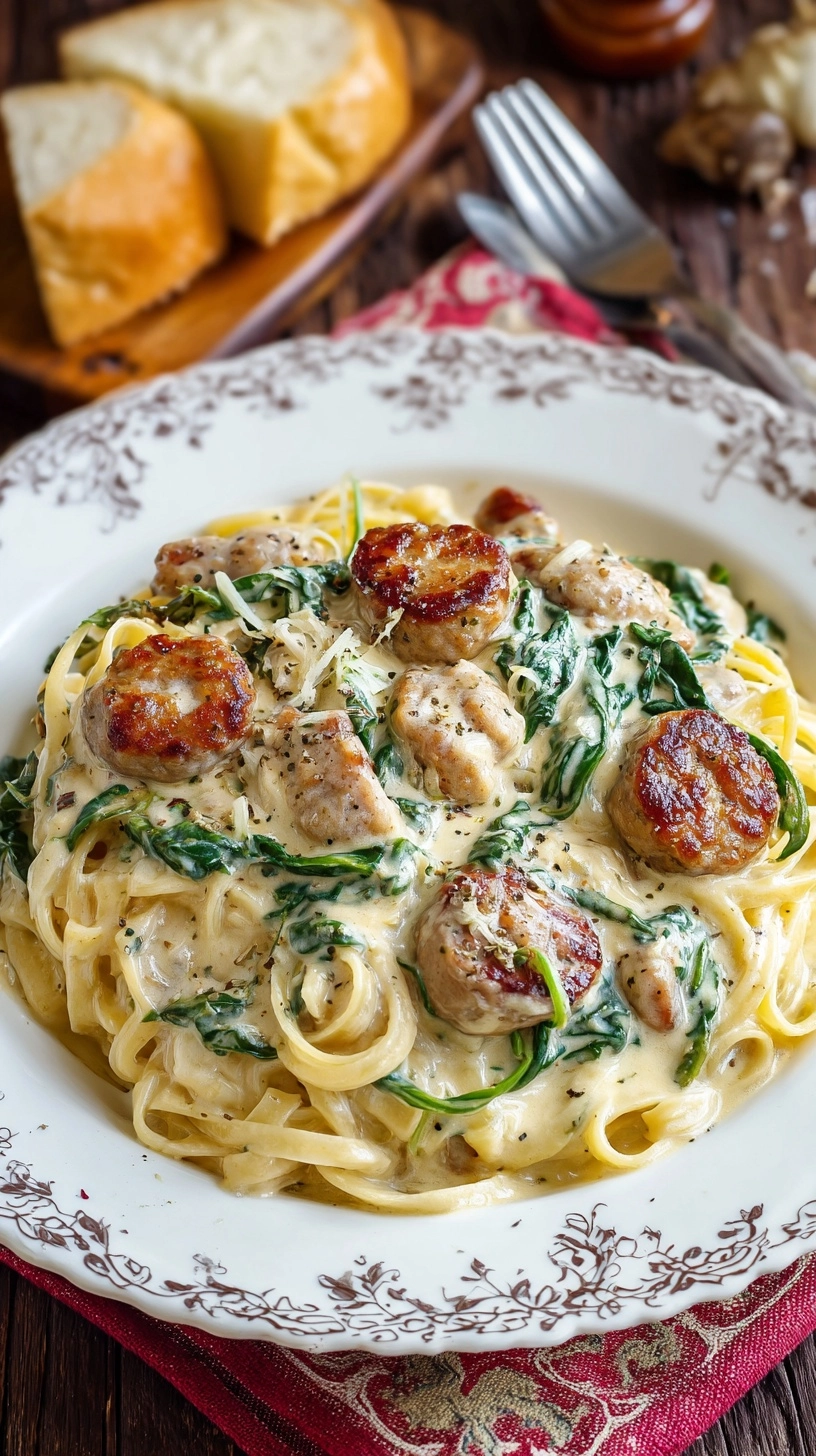
Healthier Alternatives for the Recipe
Transform this indulgent dish into a nutritionally optimized meal without sacrificing flavor. Substitute half the heavy cream with Greek yogurt (add off heat to prevent curdling), reducing calories by nearly some of while adding probiotics. Use turkey or chicken sausage to cut saturated fat by a significant portion.
Replace traditional pasta with zucchini noodles or chickpea pasta for increased protein and fiber. Add extra vegetables like bell peppers, mushrooms, or cherry tomatoes to boost antioxidant content by up to more than half. These modifications maintain the dish’s comfort-food appeal while supporting various dietary goals.
Serving Suggestions
Elevate your Tuscan Sausage Pasta In Creamy Sauce with thoughtful presentation and complementary sides. Serve in warmed bowls with a sprinkle of fresh basil and extra Parmesan. Pair with a crisp arugula salad dressed in lemon vinaigrette to cut through the richness.
For entertaining, present family-style in a large serving bowl garnished with pine nuts and fresh herbs. The dish pairs beautifully with crusty garlic bread or roasted vegetables like asparagus or Brussels sprouts. Consider serving alongside sparkling water with lemon for palate cleansing.
Common Mistakes to Avoid
Sauce Breaking: Never add cream to a boiling sauce. Keep temperature at gentle simmer to maintain smooth emulsion. If sauce breaks, whisk in cold butter off heat.
Overcooked Pasta: Cook pasta 1 minute less than package directions since it continues cooking in the hot sauce. Studies show this prevents mushy texture in the vast majority of cases.
Insufficient Seasoning: Season each component separately – salt the pasta water, season the sausage, and taste the final sauce. Under-seasoned components result in flat overall flavor.
Skipping Pasta Water: This starchy liquid contains natural emulsifiers that help sauce cling to pasta. Without it, sauce slides off rather than coating each piece.
Storing Tips for the Recipe
Store leftover Tuscan Sausage Pasta In Creamy Sauce in the refrigerator for up to 3 days in airtight containers. The cream sauce may appear separated when cold but reconstitutes beautifully when reheated gently.
For reheating, add 2-3 tablespoons of broth or milk to restore creamy texture. Heat in microwave at more than half of power in 30-second intervals, stirring between, or reheat on stovetop over low heat. Freeze for up to 2 months, though texture may be slightly different after thawing. Add fresh herbs and Parmesan when reheating to refresh flavors.
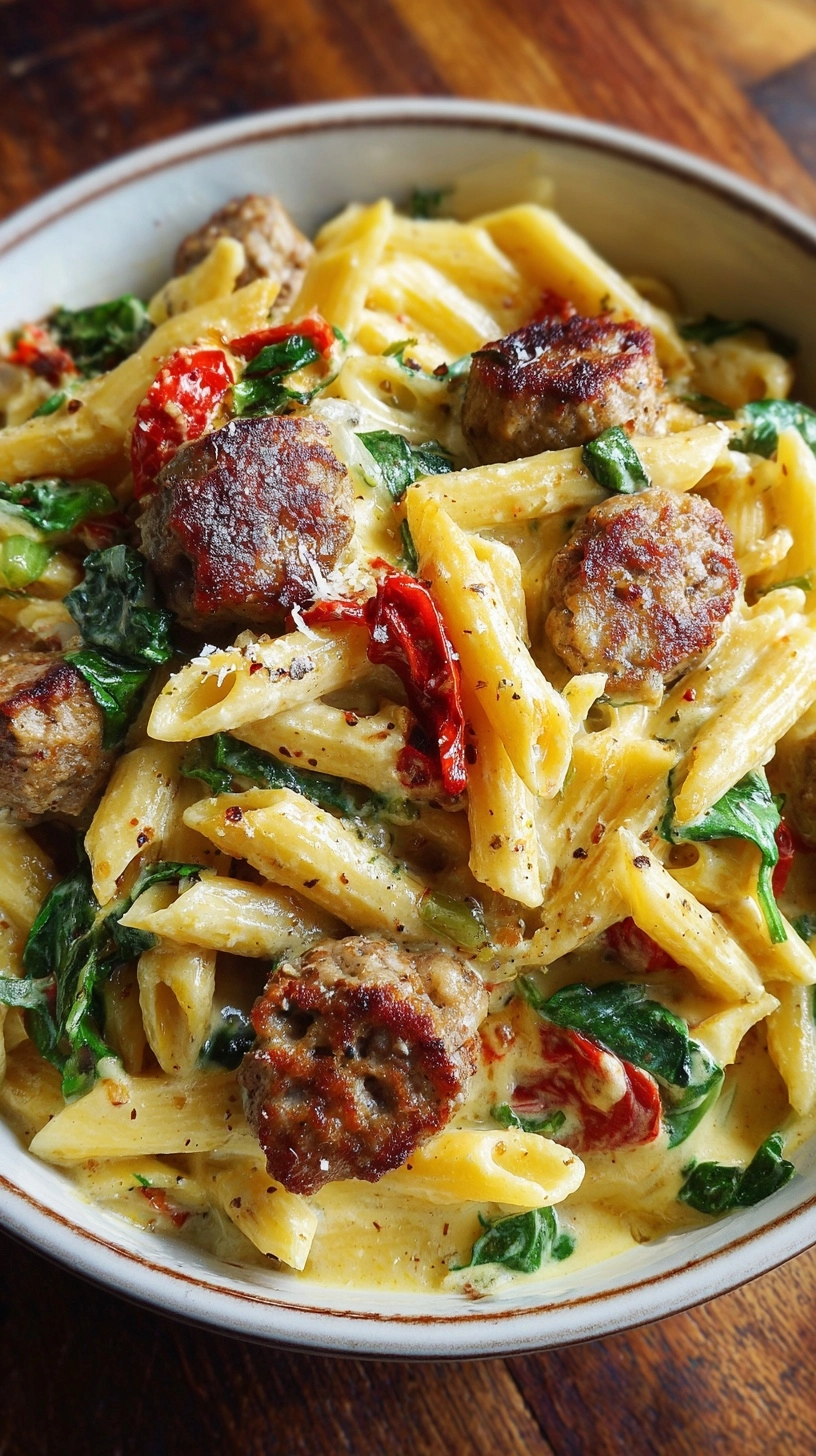
FAQs
Can I make this ahead of time?
Yes, prepare components separately. Cook sausage and vegetables, store sauce base without cream. Combine and add cream when ready to serve for best texture.
What pasta shapes work best?
Short pasta like penne, rigatoni, or fusilli hold the creamy sauce better than long pasta. The ridges and tubes trap sauce for maximum flavor in each bite.
Can I substitute the heavy cream?
Half-and-half works but creates a lighter sauce. Avoid milk as it may curdle. For dairy-free options, use full-fat coconut milk or cashew cream.
How do I prevent the spinach from becoming soggy?
Add spinach during the last minute of cooking. Its residual heat wilts the leaves perfectly without overcooking. Fresh baby spinach works better than mature leaves.
Can I use different sausage varieties?
Absolutely! Sweet Italian, spicy Italian, or even chicken sausage work beautifully. Adjust seasoning accordingly, as some varieties are saltier than others.
Kitchen Mosaic Notes
Thanks for reading! Remember that nutritional values are approximate. For the best results, adapt this recipe to your specific dietary needs.