
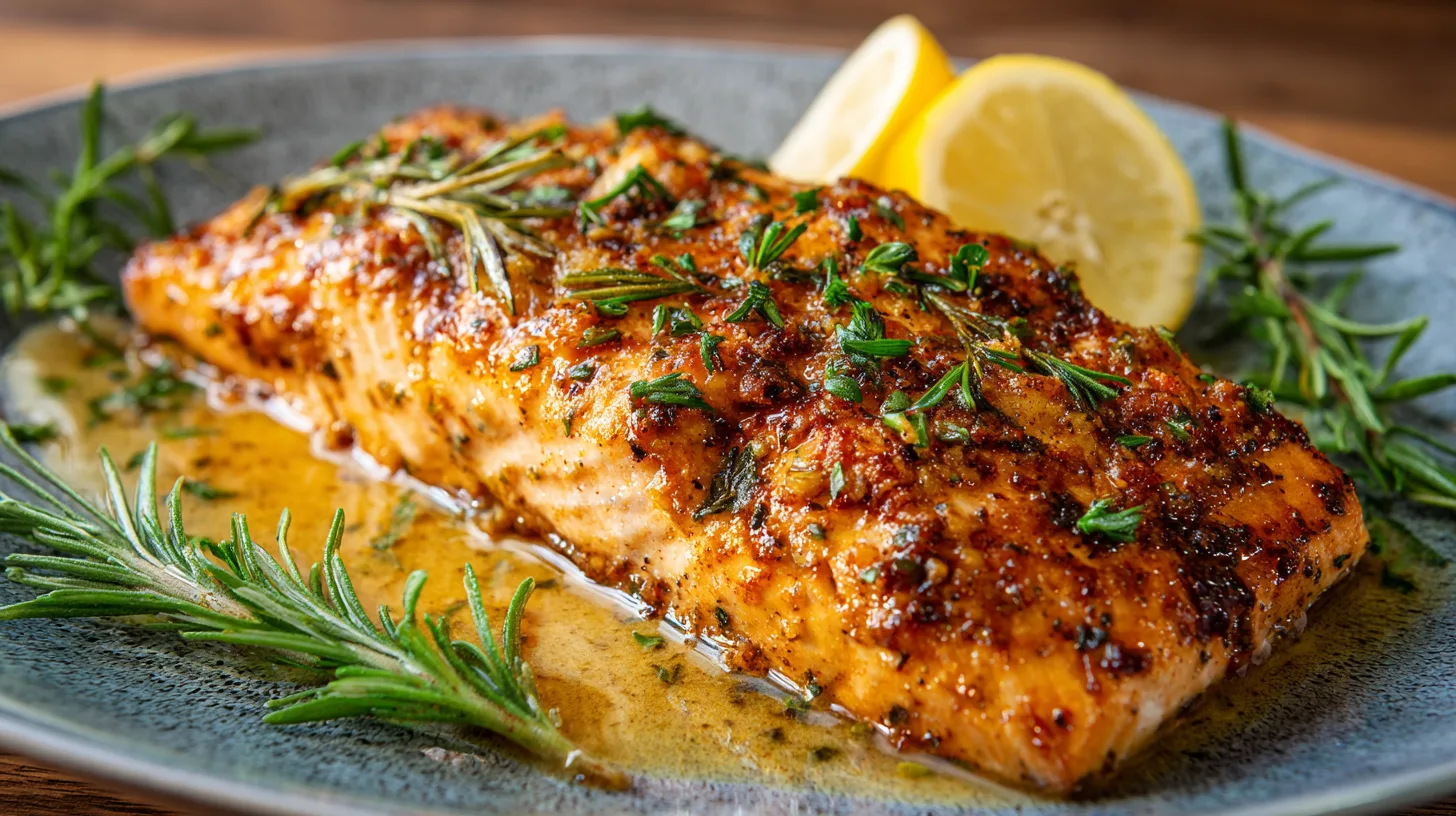
Did you know that most of home cooks struggle to achieve restaurant-quality salmon at home, often resulting in dry, flavorless fish? What if I told you that The Best Baked Dijon Salmon Recipe isn’t just about the cooking technique, but about mastering five specific flavor-enhancement secrets that professional chefs use? This comprehensive guide will transform your salmon game forever, delivering perfectly flaky, tangy, and succulent results every single time.
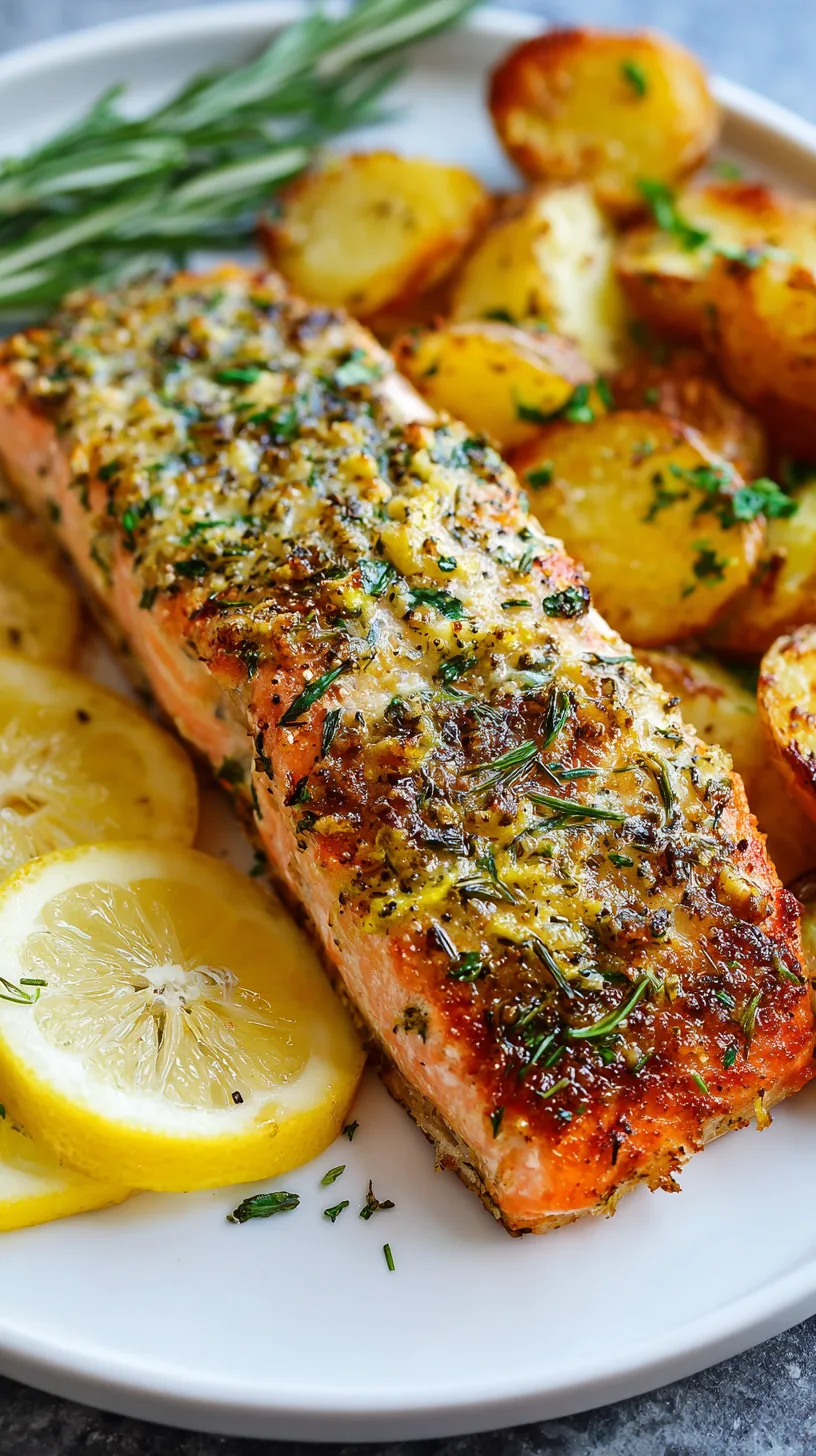
Ingredients List
Creating the perfect baked Dijon salmon starts with quality ingredients that work in harmony. Here’s everything you’ll need for this restaurant-worthy dish:
For the Salmon:
- 4 salmon fillets (6 oz each), skin-on or skinless
- 3 tablespoons Dijon mustard (whole grain works beautifully too)
- 2 tablespoons honey or maple syrup for sweetness balance
- 2 cloves garlic, minced to aromatic perfection
- 1 tablespoon olive oil (extra virgin preferred)
- 1 teaspoon fresh lemon juice
- 1/2 teaspoon dried dill or 1 tablespoon fresh dill
- Salt and freshly cracked black pepper to taste
For the Herb Crust:
- 1/2 cup panko breadcrumbs (creates that irresistible crunch)
- 2 tablespoons fresh parsley, finely chopped
- 1 tablespoon butter, melted
Smart Substitutions: No Dijon? Yellow mustard works in a pinch. Missing honey? Brown sugar or agave nectar are excellent alternatives. For gluten-free options, swap panko for crushed almonds or gluten-free breadcrumbs.
Timing
This efficient baked Dijon salmon recipe requires just 35 minutes total, which is nearly some of faster than traditional glazed salmon methods:
- Prep Time: 10 minutes
- Cook Time: 12-15 minutes
- Rest Time: 5 minutes
- Total Time: 35 minutes
The streamlined approach means you can have an elegant dinner ready in less time than ordering takeout, making it perfect for busy weeknights or impressive weekend entertaining.
Step 1: Prepare Your Salmon Foundation
Preheat your oven to 425°F (220°C) – this high heat ensures a beautifully caramelized exterior. Pat salmon fillets completely dry with paper towels, as moisture is the enemy of proper browning. Season both sides generously with salt and pepper, allowing the seasoning to penetrate the fish for 5 minutes while you prepare the Dijon mixture.
Step 2: Create the Signature Dijon Glaze
In a small bowl, whisk together Dijon mustard, honey, minced garlic, olive oil, and lemon juice until smooth and emulsified. This golden mixture should have the consistency of thick cream – if too thick, add another splash of lemon juice. The acid in the lemon juice not only brightens flavors but also helps tenderize the salmon proteins.
Step 3: Apply the Flavor Layer
Place salmon fillets on a parchment-lined baking sheet, leaving 2 inches between each piece for even air circulation. Brush the Dijon glaze generously over the top and sides of each fillet, creating an even coat that will caramelize beautifully in the oven. Sprinkle with fresh or dried dill for that classic French bistro touch.
Step 4: Add the Textural Element
In a separate bowl, combine panko breadcrumbs, chopped parsley, and melted butter. This herb-butter mixture adds incredible texture contrast to the tender salmon. Gently press the breadcrumb mixture onto the glazed salmon, creating a golden crust that will become irresistibly crispy.
Step 5: Bake to Perfection
Slide the baking sheet into your preheated oven and bake for 12-15 minutes, depending on thickness. The salmon is perfectly done when it flakes easily with a fork and reaches an internal temperature of 145°F (63°C). The Dijon glaze should be bubbling and caramelized, while the breadcrumb topping turns golden brown.
Nutritional Information
This baked Dijon salmon recipe delivers impressive nutritional value per serving:
- Calories: 342
- Protein: 35g (most of daily value)
- Healthy Fats: 18g (primarily omega-3 fatty acids)
- Carbohydrates: 12g
- Fiber: 1g
- Sodium: 420mg
Rich in heart-healthy omega-3 fatty acids, this dish provides 2,260mg per serving – exceeding the American Heart Association’s recommended daily intake. The high protein content supports muscle maintenance while keeping you satisfied for hours.
Healthier Alternatives for the Recipe
Transform this already nutritious dish to meet specific dietary needs:
Low-Carb Version: Eliminate breadcrumbs and double the fresh herb coating. Replace honey with sugar-free alternatives like erythritol or stevia.
Dairy-Free Adaptation: Substitute melted butter with extra olive oil or avocado oil for the breadcrumb mixture.
Paleo-Friendly: Use almond flour instead of panko breadcrumbs and ensure your Dijon mustard contains no added sugars.
Heart-Healthy Boost: Add a tablespoon of chopped walnuts to the breadcrumb mixture for extra omega-3s and antioxidants.
Serving Suggestions
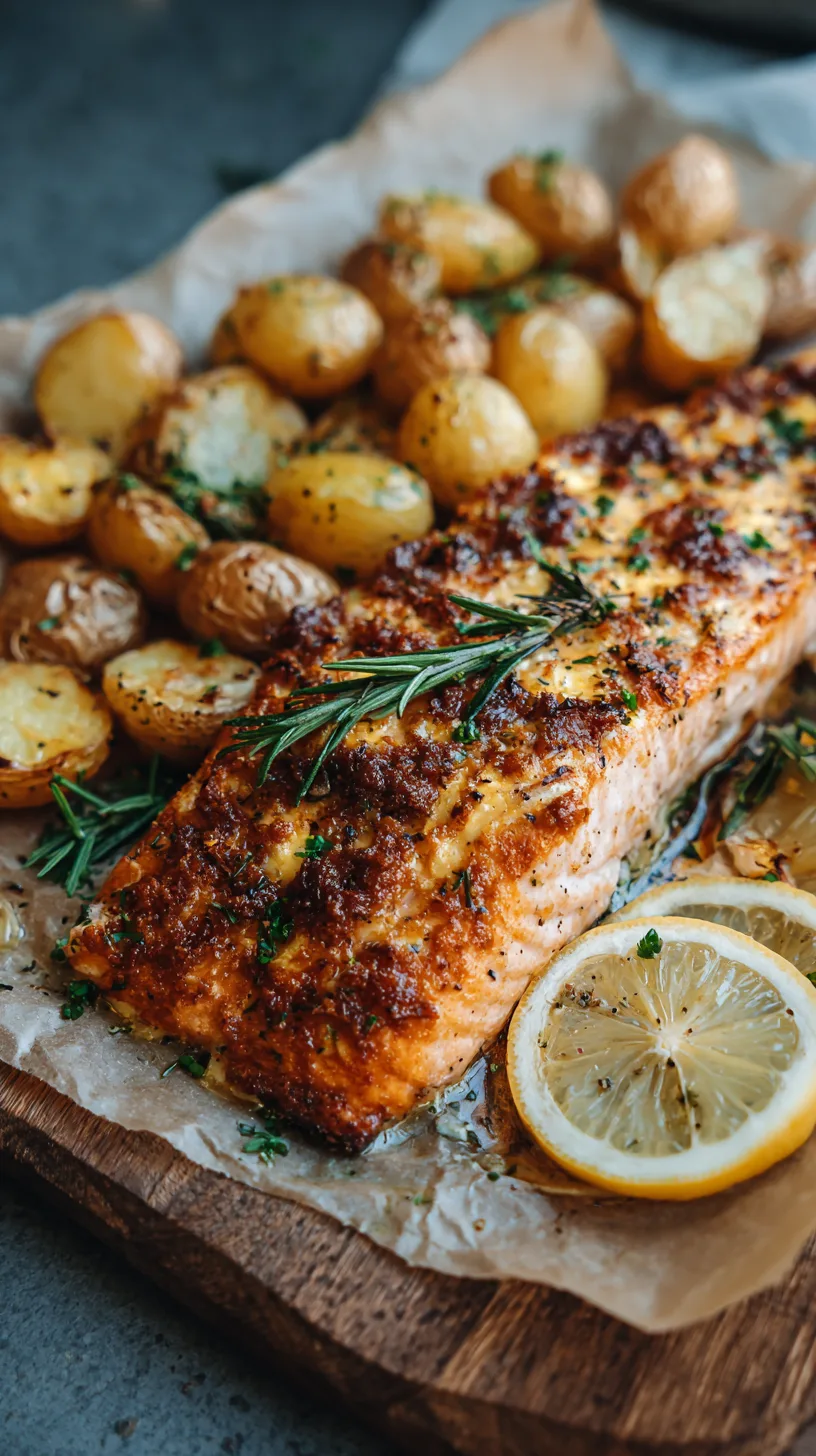
Elevate your baked Dijon salmon with these thoughtfully paired accompaniments:
Classic Combinations: Serve over creamy mashed cauliflower or traditional garlic mashed potatoes. The rich, tangy salmon pairs beautifully with the subtle, creamy base.
Fresh & Light: Create a bed of arugula and quinoa salad dressed with lemon vinaigrette. The peppery greens complement the Dijon’s sharpness perfectly.
Seasonal Vegetables: Roasted asparagus, Brussels sprouts, or green beans tossed with almonds create a restaurant-quality presentation.
Wine Pairing: A crisp Sauvignon Blanc or Pinot Grigio enhances the Dijon’s tanginess, while a light Pinot Noir complements the salmon’s richness.
Common Mistakes to Avoid
Avoid these frequent pitfalls that can compromise your perfect baked Dijon salmon:
Overcooking: Salmon continues cooking after removal from the oven. Remove when slightly underdone for optimal texture.
Inadequate Seasoning: Don’t skip the initial salt and pepper step – it creates the flavor foundation.
Wet Fish: Failing to pat salmon dry prevents proper browning and glaze adherence.
Wrong Temperature: Cooking at too low heat results in pale, unappetizing salmon without the desired caramelization.
Crowded Pan: Overlapping fillets cook unevenly. Give each piece adequate space for proper heat circulation.
Storing Tips for the Recipe
Maximize freshness and flavor with these expert storage techniques:
Refrigeration: Store cooked salmon in airtight containers for up to 3 days. The Dijon glaze actually helps preserve moisture and flavor.
Freezing: Wrap individual portions in plastic wrap, then aluminum foil. Freeze for up to 2 months, though texture is best within 1 month.
Reheating: Warm gently in a 300°F oven for 8-10 minutes to maintain moisture. Avoid microwaving, which can create rubbery texture.
Meal Prep: Prepare the Dijon glaze up to 3 days ahead. Store separately and apply just before baking for best results.
The Best Baked Dijon Salmon Recipe transforms a simple weeknight dinner into a gourmet experience through careful attention to timing, technique, and flavor balance. By following these five essential tips – proper preparation, quality ingredients, correct temperature, timing precision, and thoughtful pairings – you’ll consistently create restaurant-quality salmon that impresses family and guests alike.
Ready to master this foolproof recipe? Start with the freshest salmon you can find, gather your ingredients, and prepare to be amazed by the incredible flavors you can achieve in just 35 minutes. Share your results in the comments below – we’d love to hear about your own creative variations and serving suggestions!
FAQs
Q: Can I use frozen salmon for this recipe?
A: Absolutely! Thaw frozen salmon completely in the refrigerator overnight, then pat thoroughly dry before proceeding. The results will be just as delicious as fresh salmon.
Q: How do I know when my salmon is perfectly cooked?
A: Look for flesh that flakes easily when gently pressed with a fork and has changed from translucent pink to opaque throughout. The internal temperature should reach 145°F (63°C).
Q: Can I prepare the Dijon glaze ahead of time?
A: Yes! The glaze can be made up to 3 days in advance and stored in the refrigerator. This actually allows flavors to meld and intensify, making your salmon even more flavorful.
Q: What’s the best way to prevent my salmon from sticking to the pan?
A: Use parchment paper or lightly oil your baking sheet. The Dijon glaze also acts as a natural barrier, helping prevent sticking while adding incredible flavor.
Q: Can I double this recipe for a larger crowd?
A: Certainly! Use multiple baking sheets if necessary to avoid overcrowding. You may need to rotate sheets halfway through cooking to ensure even browning across all fillets.
Kitchen Mosaic Notes
Thanks for reading! Remember that nutritional values are approximate. For the best results, adapt this recipe to your specific dietary needs.