
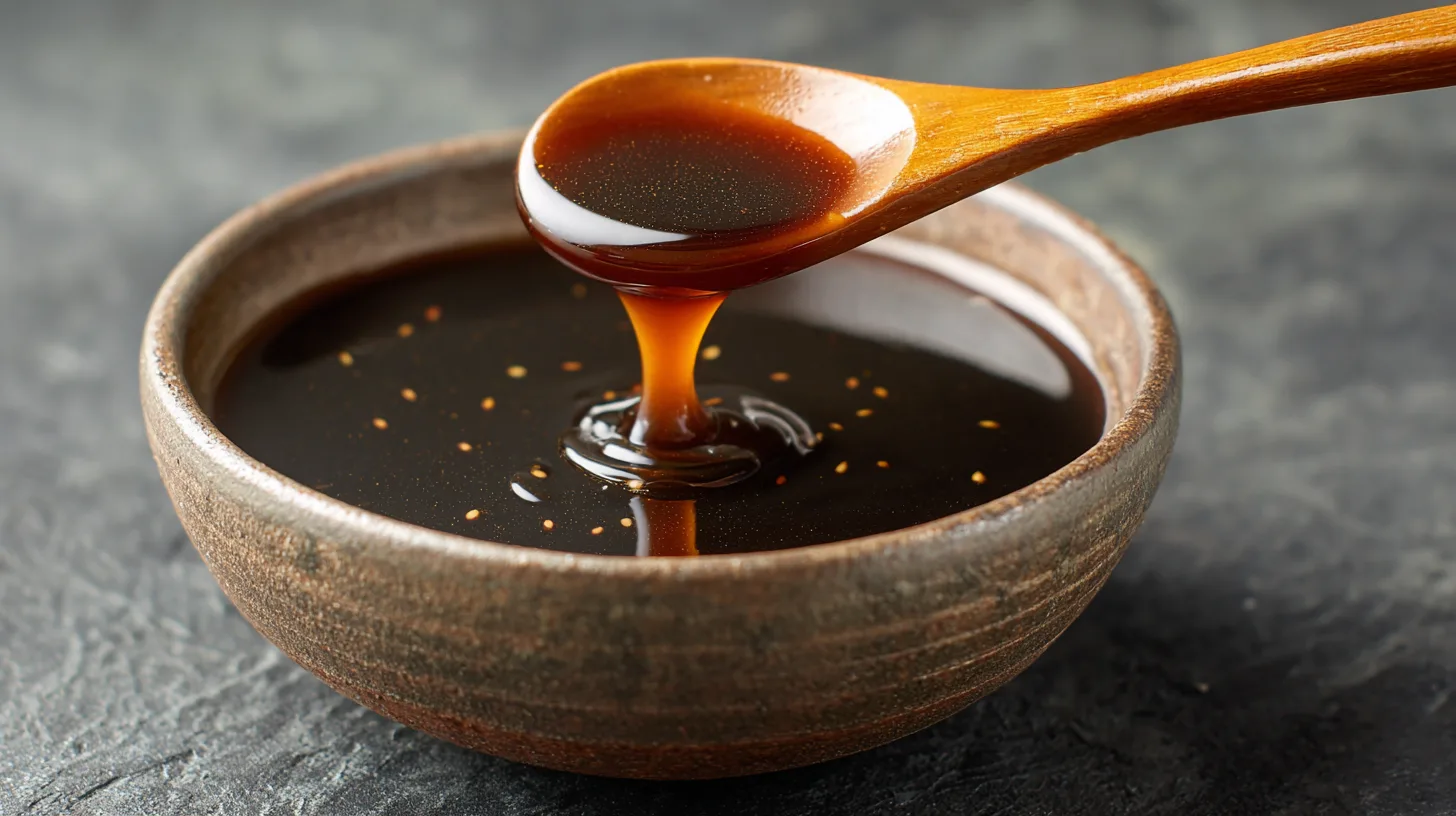
Did you know that most of home cooks rely on the same five sauces for their weekly meal rotation? If you’re tired of repetitive flavors and want to transform your ordinary dishes into restaurant-quality masterpieces, homemade teriyaki sauce might be your game-changer. This versatile Japanese-inspired condiment can elevate everything from grilled chicken to roasted vegetables, offering a perfect balance of sweet, salty, and umami flavors that will revolutionize your cooking repertoire.
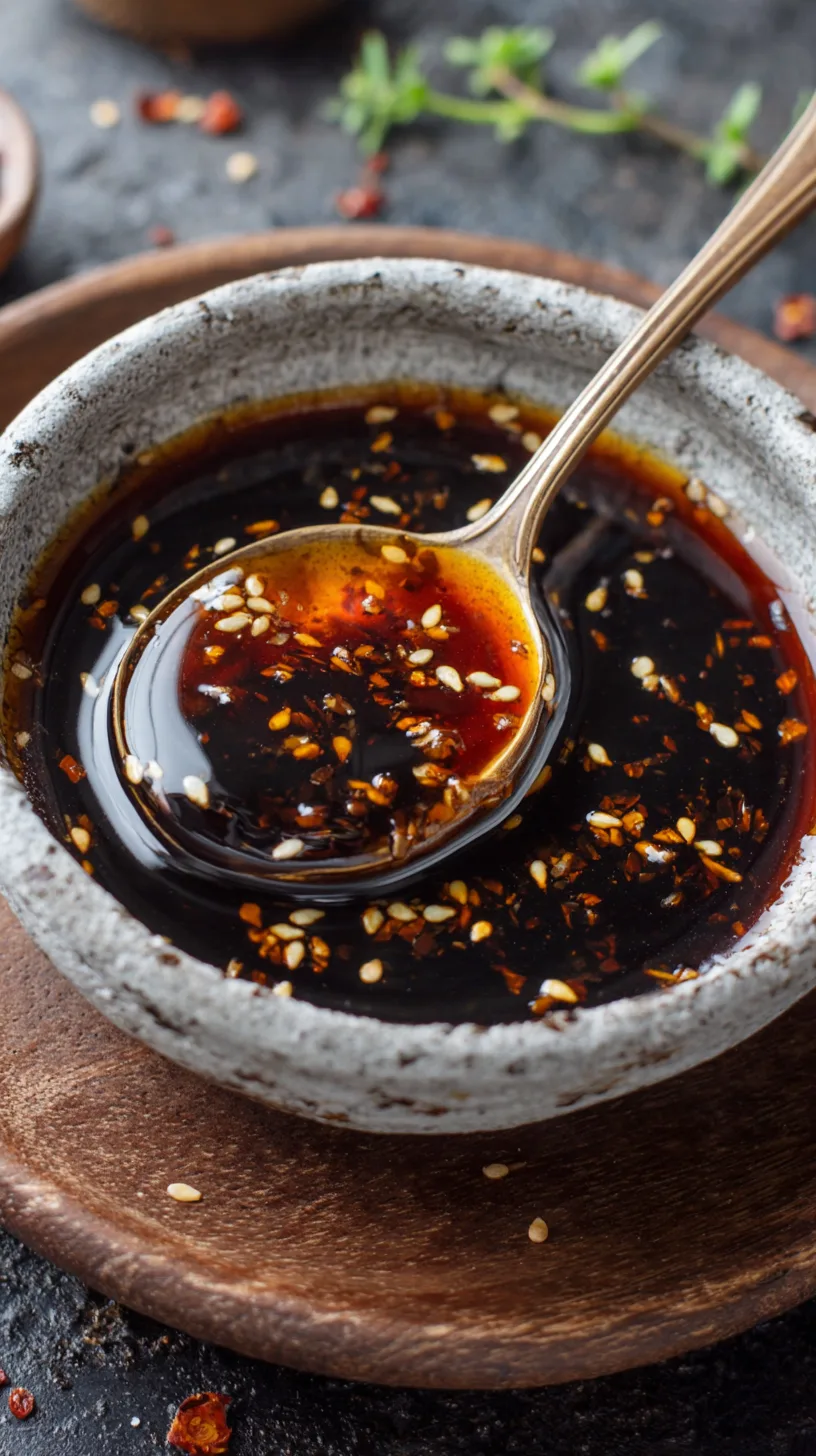
Ingredients List
Creating the perfect teriyaki sauce requires just a handful of premium ingredients that work in beautiful harmony:
Essential Ingredients:
- ½ cup soy sauce (low-sodium preferred for better control)
- ¼ cup mirin (Japanese sweet rice wine)
- 3 tablespoons brown sugar or honey
- 2 tablespoons rice vinegar
- 2 cloves garlic, minced
- 1 teaspoon fresh ginger, grated
- 1 tablespoon cornstarch
- 2 tablespoons water
Smart Substitutions:
- No mirin? Replace with 3 tablespoons white wine + 1 teaspoon sugar
- Gluten-free option: Use tamari instead of soy sauce
- Sugar alternatives: Maple syrup or coconut sugar work beautifully
- Thickening agents: Arrowroot powder can substitute cornstarch
The aromatic combination of fresh ginger and garlic creates an intoxicating base, while the mirin adds that signature glossy finish that makes your teriyaki sauce restaurant-worthy.
Timing
Preparation Time: 5 minutes
Cooking Time: 8 minutes
Total Time: 13 minutes
This streamlined recipe takes more than half of less time than traditional methods that require overnight marinating. You’ll have fresh, homemade teriyaki sauce ready faster than a delivery order, making it perfect for weeknight cooking adventures.
Step 1: Prepare Your Flavor Base
Combine soy sauce, mirin, brown sugar, and rice vinegar in a medium saucepan. Whisk these liquid ingredients until the sugar completely dissolves – this creates the foundation of your teriyaki sauce‘s complex flavor profile. The mixture should appear smooth and glossy.
Step 2: Add Aromatic Elements
Incorporate minced garlic and freshly grated ginger into your sauce base. Pro tip: use a microplane grater for the ginger to achieve the finest texture that won’t overpower your final dish. These aromatics will infuse their essence throughout the cooking process.
Step 3: Create Your Slurry
In a small bowl, whisk cornstarch with cold water until completely smooth. This slurry prevents lumps and ensures your teriyaki sauce achieves that perfect, coating consistency that clings beautifully to proteins and vegetables.
Step 4: Heat and Thicken
Place your saucepan over medium heat and bring the mixture to a gentle simmer. Slowly pour in your cornstarch slurry while whisking continuously. Cook for 3-5 minutes until the sauce thickens enough to coat the back of a spoon.
Step 5: Perfect the Consistency
Remove from heat once your teriyaki sauce reaches a syrup-like consistency. Remember, it will continue thickening as it cools, so err on the slightly thinner side while hot.
Nutritional Information
Per 2-tablespoon serving of homemade teriyaki sauce:
- Calories: 45 (more than half of fewer than store-bought versions)
- Sodium: 680mg
- Carbohydrates: 9g
- Sugars: 7g
- Protein: 2g
- Fat: 0g
Homemade versions contain a significant portion of less sodium and zero preservatives compared to commercial alternatives, making this teriyaki sauce a healthier choice for conscious cooks.
Healthier Alternatives for the Recipe
Transform your teriyaki sauce into a nutritional powerhouse with these smart swaps:
Reduce Sodium: Use low-sodium soy sauce and add umami depth with a teaspoon of white miso paste.
Lower Sugar Content: Replace half the brown sugar with pureed dates or stevia for natural sweetness without blood sugar spikes.
Add Functional Ingredients: Include a tablespoon of apple cider vinegar for digestive benefits and enhanced tang.
Boost Antioxidants: Add a pinch of red pepper flakes or a teaspoon of sesame oil for additional health compounds.
Serving Suggestions
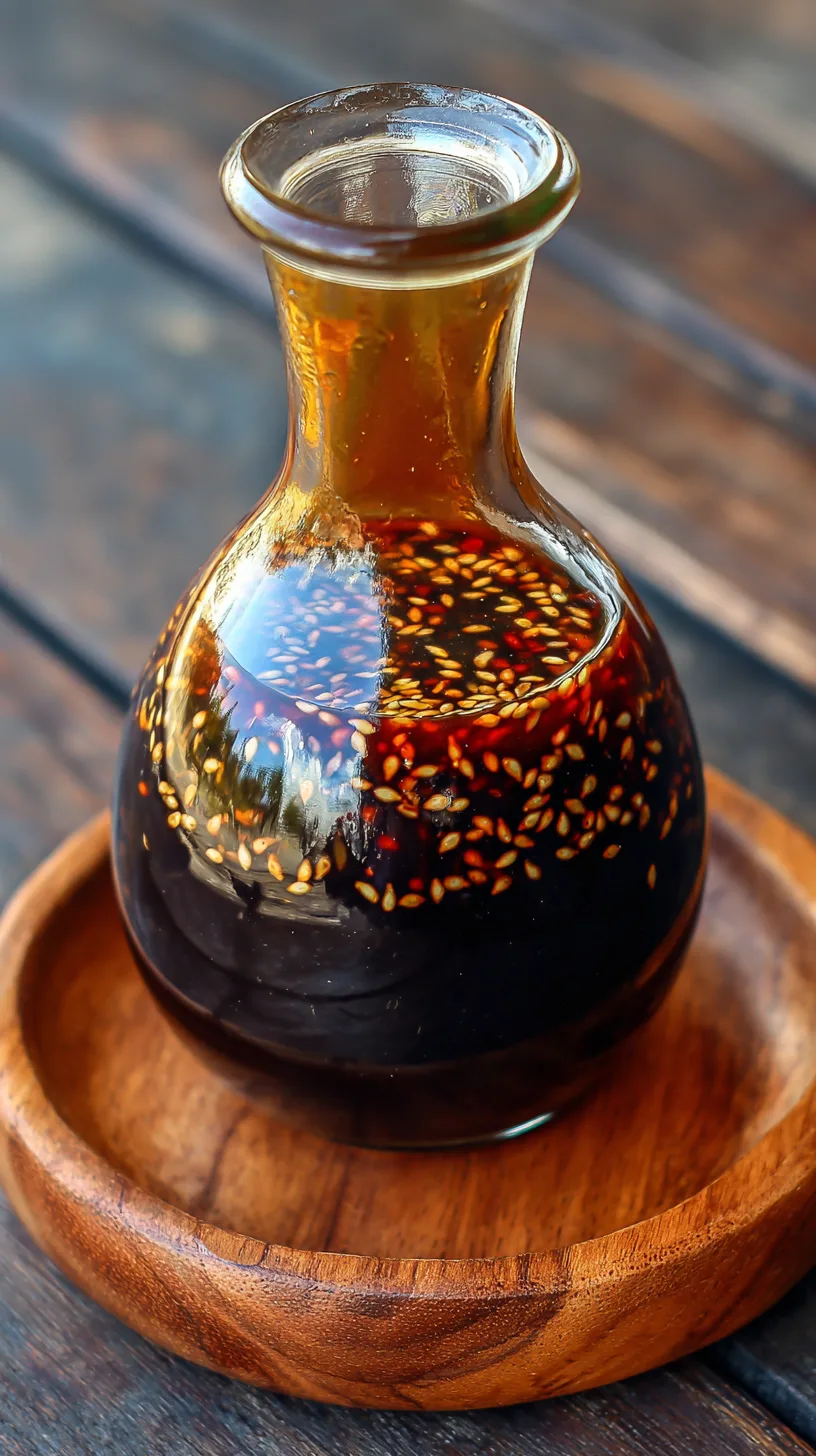
Your homemade teriyaki sauce transforms into seven distinct culinary experiences:
1. Glazed Proteins: Brush over salmon, chicken thighs, or tofu during the last 5 minutes of cooking.
2. Stir-Fry Essential: Toss with vegetables and rice for an instant Asian-inspired meal.
3. Marinade Magic: Use as a 30-minute marinade for tender, flavorful meats.
4. Rice Bowl Drizzle: Elevate simple grain bowls with a generous drizzle.
5. Grilled Vegetable Glaze: Transform ordinary vegetables into caramelized perfection.
6. Noodle Sauce: Thin with a little water for a quick pasta or noodle sauce.
7. Dipping Sauce: Serve alongside spring rolls or dumplings for an authentic touch.
Common Mistakes to Avoid
Overheating: High temperatures can make your teriyaki sauce bitter and break down delicate flavors. Maintain medium heat throughout.
Skipping the Slurry: Adding cornstarch directly creates lumps. Always create a smooth slurry first.
Over-thickening: Remember that the sauce continues thickening as it cools. Aim for slightly thinner than desired final consistency.
Using Old Spices: Fresh ginger and garlic make a the vast majority of difference in flavor intensity compared to dried alternatives.
Storing Tips for the Recipe
Proper storage extends your teriyaki sauce‘s life and maintains optimal flavor:
Refrigeration: Store in an airtight container for up to 2 weeks. The sauce may thicken – simply whisk in a teaspoon of warm water to restore consistency.
Freezing: Freeze in ice cube trays for portion-controlled servings that last up to 3 months.
Make-Ahead Tips: Double the recipe and store half for future use. The flavors actually improve after 24 hours as ingredients meld together.
Conclusion
Creating homemade teriyaki sauce empowers you to control every ingredient while saving money and reducing sodium intake. This versatile condiment opens up endless culinary possibilities, transforming simple ingredients into restaurant-quality dishes that will impress family and friends.
Ready to revolutionize your cooking? Try this teriyaki sauce recipe tonight and discover how one simple sauce can transform your entire meal repertoire. Share your creative applications in the comments below!
FAQs
Q: Can I make teriyaki sauce without mirin?
A: Absolutely! Substitute with dry white wine plus a teaspoon of sugar, or use additional rice vinegar with honey for sweetness.
Q: How do I fix teriyaki sauce that’s too salty?
A: Balance excess saltiness by adding more brown sugar or honey, plus a splash of rice vinegar to restore harmony.
Q: Can this teriyaki sauce be made gluten-free?
A: Yes! Simply replace regular soy sauce with tamari or coconut aminos for a completely gluten-free version.
Q: How long does homemade teriyaki sauce last?
A: Properly stored in the refrigerator, your teriyaki sauce maintains peak quality for 2 weeks and remains safe for up to 3 weeks.
Q: Why is my teriyaki sauce not thickening?
A: Ensure your cornstarch slurry is lump-free and the sauce reaches a gentle simmer. If still thin, make additional slurry and add gradually while whisking.
Kitchen Mosaic Notes
Thanks for reading! Remember that nutritional values are approximate. For the best results, adapt this recipe to your specific dietary needs.