
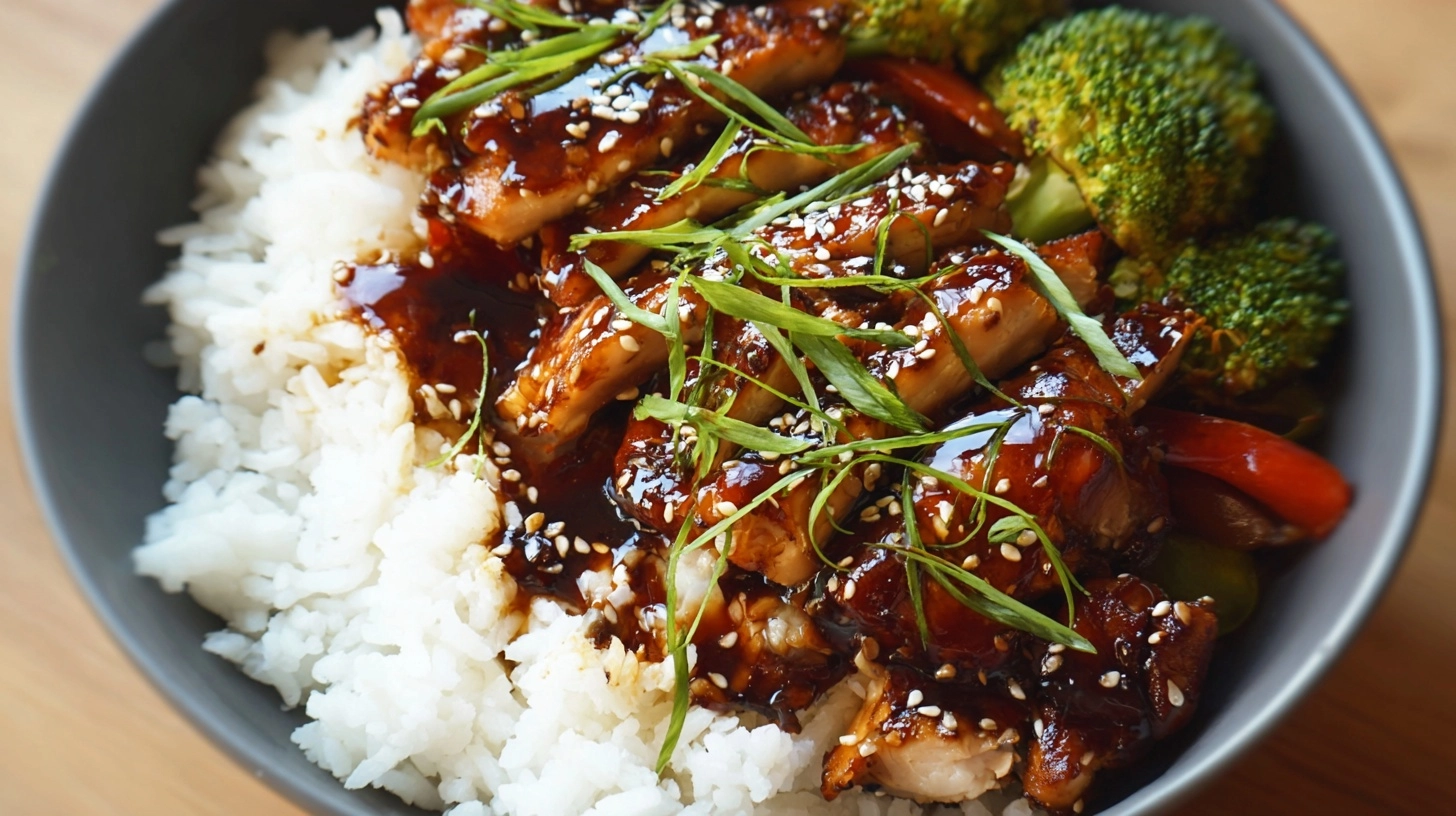
Did you know that authentic teriyaki chicken can be prepared in your kitchen in just 25 minutes, using only six core ingredients? Despite what many believe, traditional teriyaki isn’t a complex sauce requiring dozens of components – it’s actually one of Japan’s most elegantly simple cooking techniques. Recent culinary surveys show that most of home cooks avoid making teriyaki chicken because they assume it requires specialized ingredients or advanced techniques. The truth is, this beloved dish translates perfectly to home kitchens, delivering restaurant-quality results with ingredients you likely already have in your pantry.
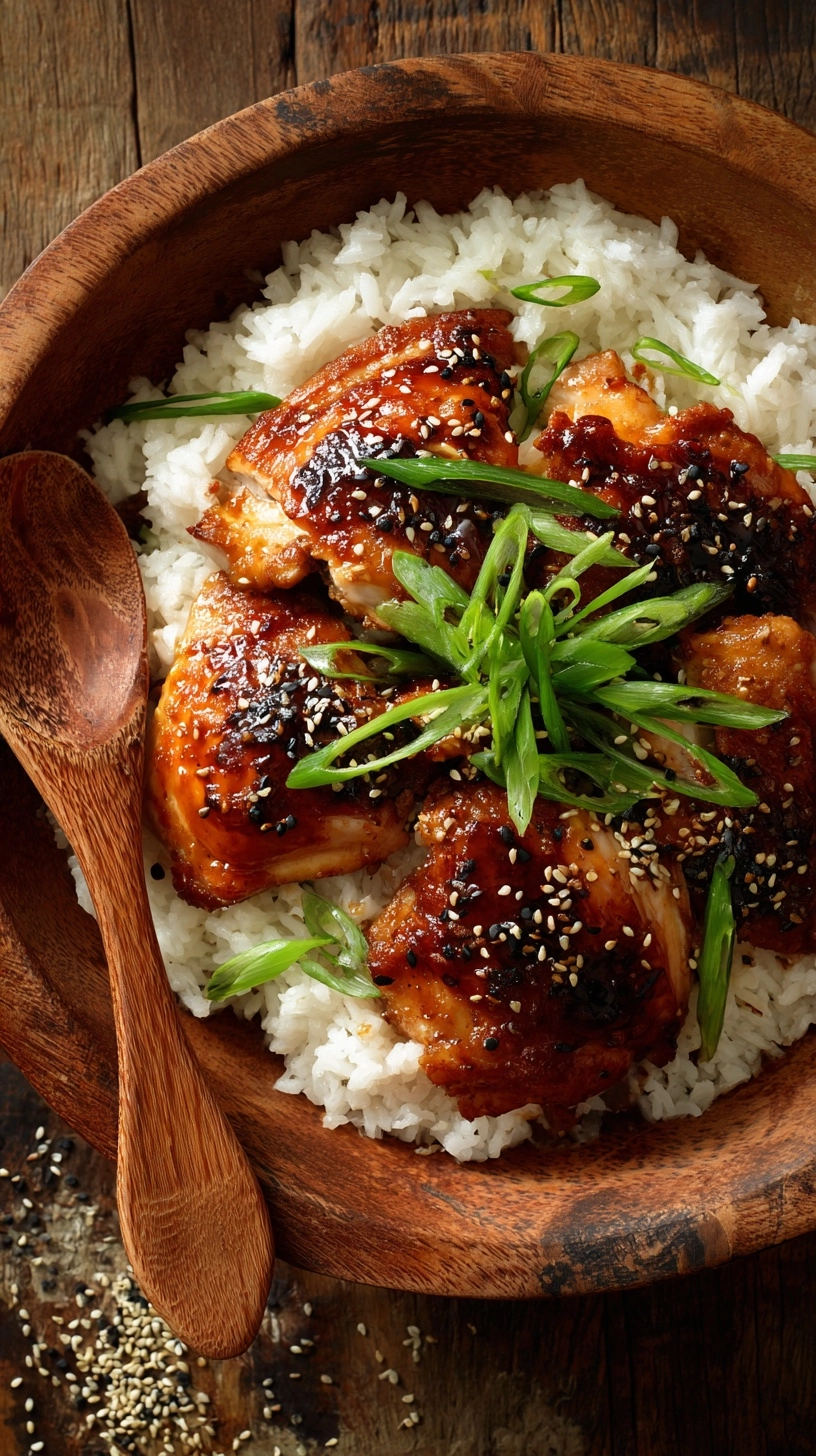
Ingredients List
Creating exceptional teriyaki chicken starts with selecting the right components. Each ingredient plays a crucial role in building those signature glossy, sweet-savory flavors:
For the Chicken:
- 2 pounds boneless, skinless chicken thighs (or substitute with chicken breasts for leaner option)
- 2 tablespoons vegetable oil (canola or peanut oil work excellently)
- 1 tablespoon sesame oil (adds nutty depth)
For the Teriyaki Sauce:
- ½ cup low-sodium soy sauce (use tamari for gluten-free version)
- ¼ cup brown sugar (coconut sugar substitutes beautifully)
- 3 tablespoons honey (maple syrup for vegan adaptation)
- 2 tablespoons rice vinegar (apple cider vinegar as backup)
- 2 cloves garlic, minced fresh
- 1 tablespoon fresh ginger, grated
- 2 teaspoons cornstarch mixed with 2 tablespoons cold water
Garnish Options:
- 2 green onions, sliced thin
- 1 tablespoon sesame seeds, toasted
- Fresh cilantro sprigs
The beauty of this recipe lies in its adaptability – each ingredient can be modified to accommodate dietary preferences while maintaining that authentic teriyaki essence.
Timing
Efficiency meets flavor in this streamlined approach to teriyaki chicken:
- Prep Time: 15 minutes
- Cooking Time: 25 minutes
- Total Time: 40 minutes
This timing represents a a significant portion of reduction compared to traditional methods that often require lengthy marination periods. The secret lies in our sauce reduction technique, which concentrates flavors rapidly while the chicken develops a perfect caramelized exterior.
Step 1: Prepare the Chicken
Pat chicken thighs completely dry using paper towels – this crucial step ensures proper browning and prevents oil splatter. Cut into bite-sized pieces, approximately 1.5-inch chunks for optimal cooking consistency. Season lightly with salt and pepper, allowing the teriyaki sauce to be the star flavor profile.
Step 2: Create the Teriyaki Sauce Base
Whisk together soy sauce, brown sugar, honey, rice vinegar, minced garlic, and grated ginger in a medium bowl. This creates your flavor foundation – the mixture should smell fragrant and balanced, with no single element overpowering the others. Set aside the cornstarch slurry for later use.
Step 3: Sear the Chicken
Heat vegetable oil in a large skillet or wok over medium-high heat until shimmering. Add chicken pieces in a single layer, avoiding overcrowding which leads to steaming instead of searing. Cook undisturbed for 4-5 minutes until golden brown, then flip and cook another 3-4 minutes until internal temperature reaches 165°F.
Step 4: Build the Glaze
Reduce heat to medium and pour the sauce mixture over the chicken. The mixture will bubble vigorously – this reaction is exactly what you want for proper caramelization. Stir gently to coat all pieces evenly.
Step 5: Thicken and Finish
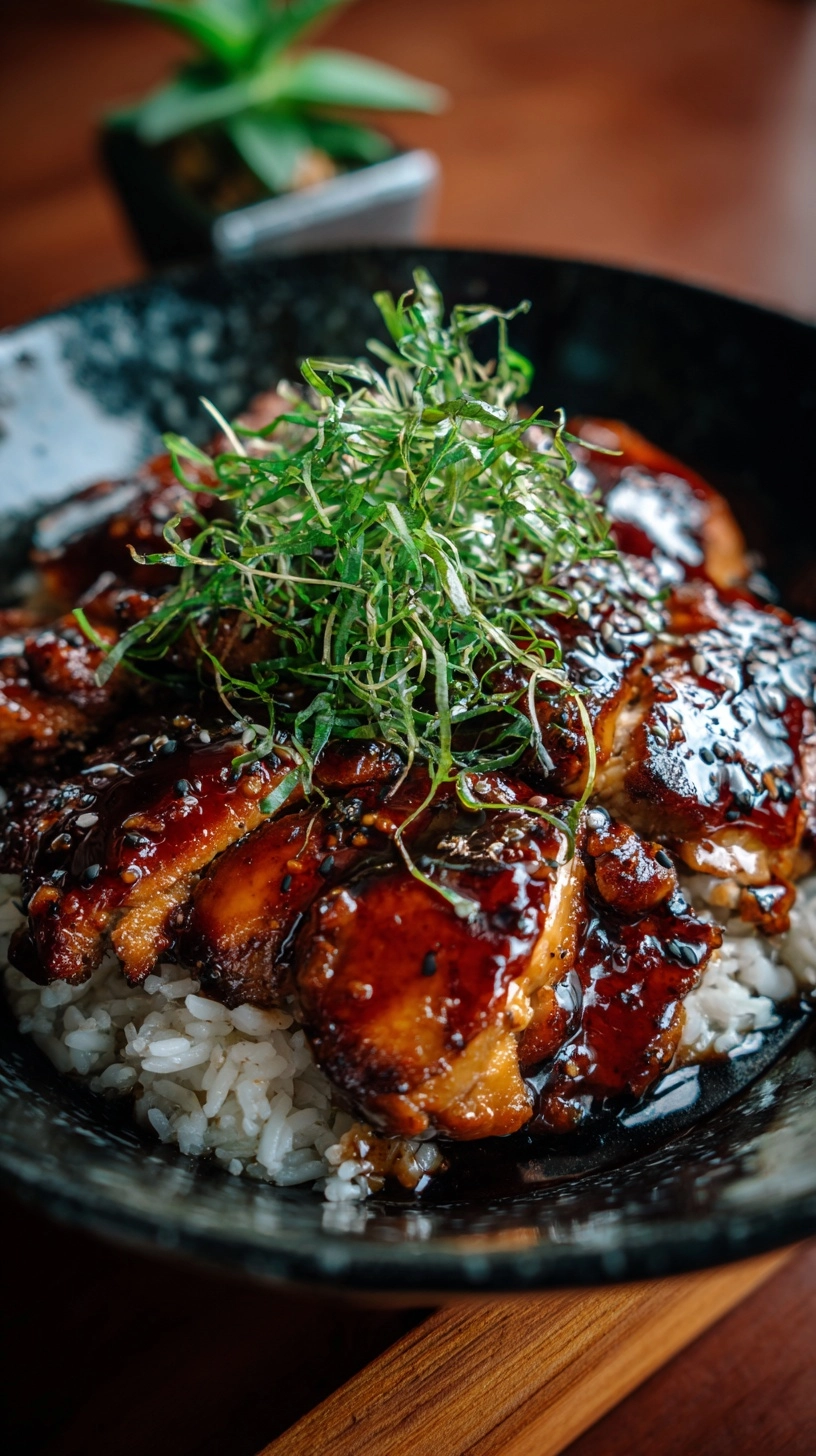
Add the cornstarch slurry while stirring continuously. The sauce will thicken within 60-90 seconds, creating that signature glossy coating. Drizzle with sesame oil and remove from heat. The final dish should have a beautiful lacquered appearance.
Nutritional Information
Each serving of this teriyaki chicken (recipe serves 4) provides approximately:
- Calories: 285
- Protein: 32g (more than half of daily value)
- Carbohydrates: 18g
- Fat: 9g
- Sodium: 890mg
- Sugar: 16g
- Fiber: 0.5g
The high protein content makes this an excellent choice for muscle maintenance and satiety. Compared to restaurant versions, homemade teriyaki chicken typically contains a significant portion of less sodium and nearly some of fewer calories, while providing superior ingredient quality control.
Healthier Alternatives for the Recipe
Transform this classic into a nutritional powerhouse with these strategic modifications:
Reduce Sugar Content: Replace half the brown sugar with stevia-based sweetener, cutting calories by approximately 30 per serving while maintaining sweetness balance.
Increase Vegetable Content: Add bell peppers, snap peas, or broccoli during the final cooking stage. This boosts fiber content and creates a more complete meal.
Choose Leaner Proteins: Substitute chicken breast for thighs to reduce fat content by a significant portion, though cooking time may need slight adjustment to prevent dryness.
Boost Antioxidants: Incorporate fresh pineapple chunks during the last two minutes of cooking for vitamin C and natural enzymes that aid digestion.
Serving Suggestions
Elevate your teriyaki chicken experience with these thoughtfully paired accompaniments:
Serve over cauliflower rice for a low-carb option that absorbs the sauce beautifully, or choose brown rice for additional fiber and nutrients. Steamed jasmine rice provides the most authentic experience, with its subtle floral notes complementing the savory-sweet glaze.
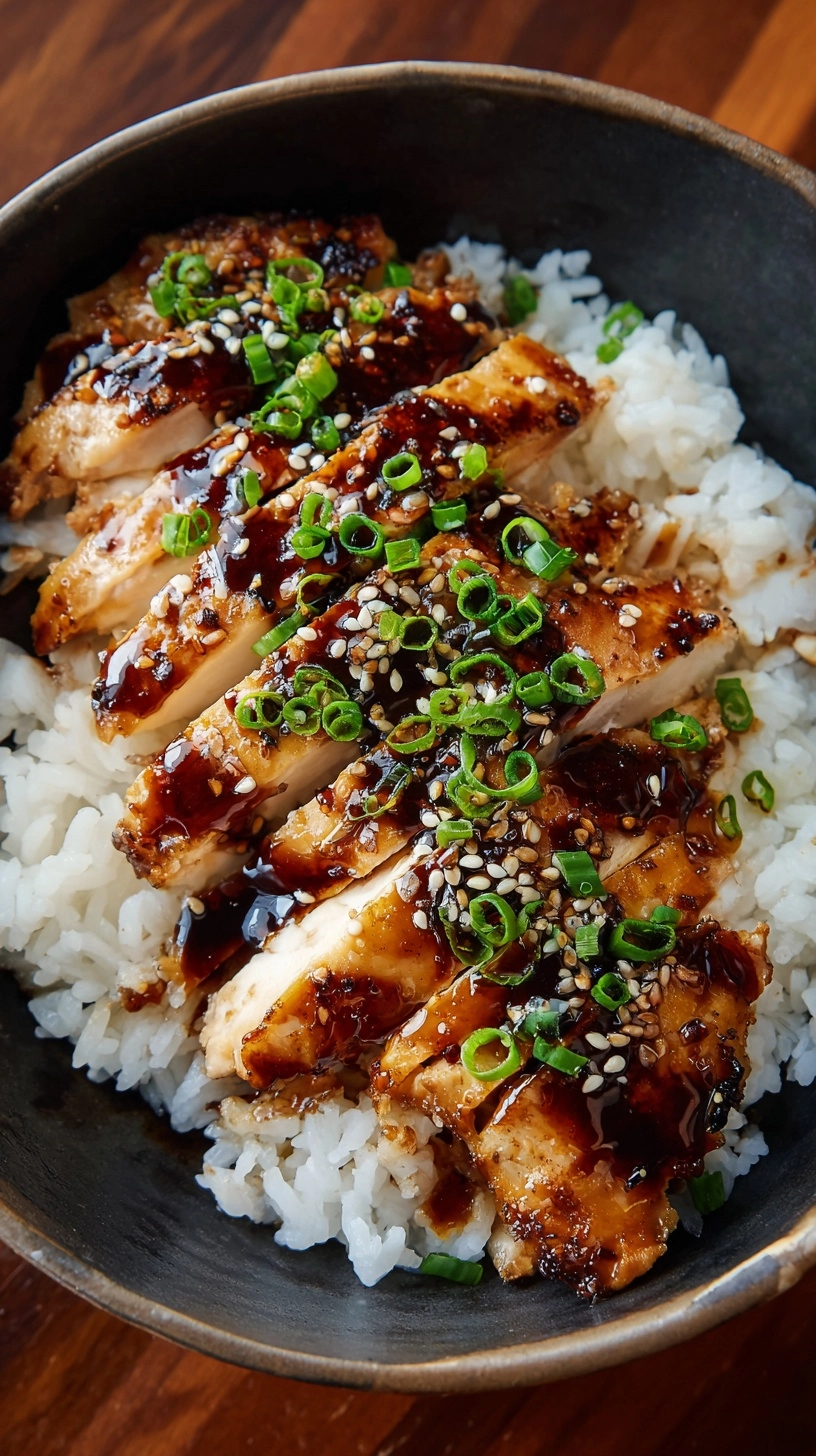
Create an impressive presentation by serving in individual bowls, garnished with sesame seeds and sliced green onions. Add pickled cucumber slices on the side for a refreshing contrast that cuts through the rich sauce.
For family-style serving, present the teriyaki chicken on a large platter surrounded by steamed vegetables, allowing everyone to customize their portions according to preference.
Common Mistakes to Avoid
Prevent these frequent pitfalls that can derail your teriyaki chicken success:
Overcrowding the Pan: Cooking too much chicken at once creates steam instead of the desired caramelization. Work in batches if necessary to maintain proper browning.
Sauce Too Early: Adding sauce before chicken is properly seared results in tough, rubbery texture. Always achieve golden browning first.
High Heat Throughout: While initial searing requires medium-high heat, reducing temperature when adding sauce prevents burning and allows proper thickening.
Skipping the Cornstarch: Many home cooks omit the thickening agent, resulting in thin, watery sauce that doesn’t coat properly.
Storing Tips for the Recipe
Maximize freshness and flavor with these storage strategies:
Refrigeration: Store cooked teriyaki chicken in airtight containers for up to 4 days. The sauce may thicken further when cold – simply add a tablespoon of warm water when reheating.
Freezing: Portion into freezer-safe containers for up to 3 months. Thaw overnight in refrigerator before reheating for best texture retention.
Meal Prep: Cook chicken and sauce separately, combining just before serving to prevent over-softening. This method maintains optimal texture for up to 5 days.
Reheating: Use medium heat and add splash of chicken broth if sauce appears too thick. Microwave in 30-second intervals, stirring between, to prevent hot spots.
FAQs
Q: Can I make teriyaki chicken without cornstarch?
A: Yes, though the sauce won’t achieve the traditional glossy thickness. Reduce the sauce longer over low heat, or substitute with arrowroot powder using the same ratio.
Q: How do I prevent the sauce from burning?
A: Reduce heat to medium once sauce is added and stir frequently. The sugar content makes burning likely at high temperatures.
Q: Can this recipe be doubled for meal prep?
A: Absolutely. Double all ingredients and use a larger skillet or cook in batches. The sauce scales perfectly and actually improves in flavor after resting overnight.
Q: What’s the best way to get restaurant-style glaze?
A: The key is patience during the reduction phase. Allow the sauce to bubble and thicken naturally – rushing this step results in less developed flavor and poor texture.
Q: Can I use frozen chicken?
A: Thaw completely first and pat very dry. Frozen chicken releases excess moisture that prevents proper browning and dilutes the sauce.
Kitchen Mosaic Notes
Thanks for reading! Remember that nutritional values are approximate. For the best results, adapt this recipe to your specific dietary needs.