
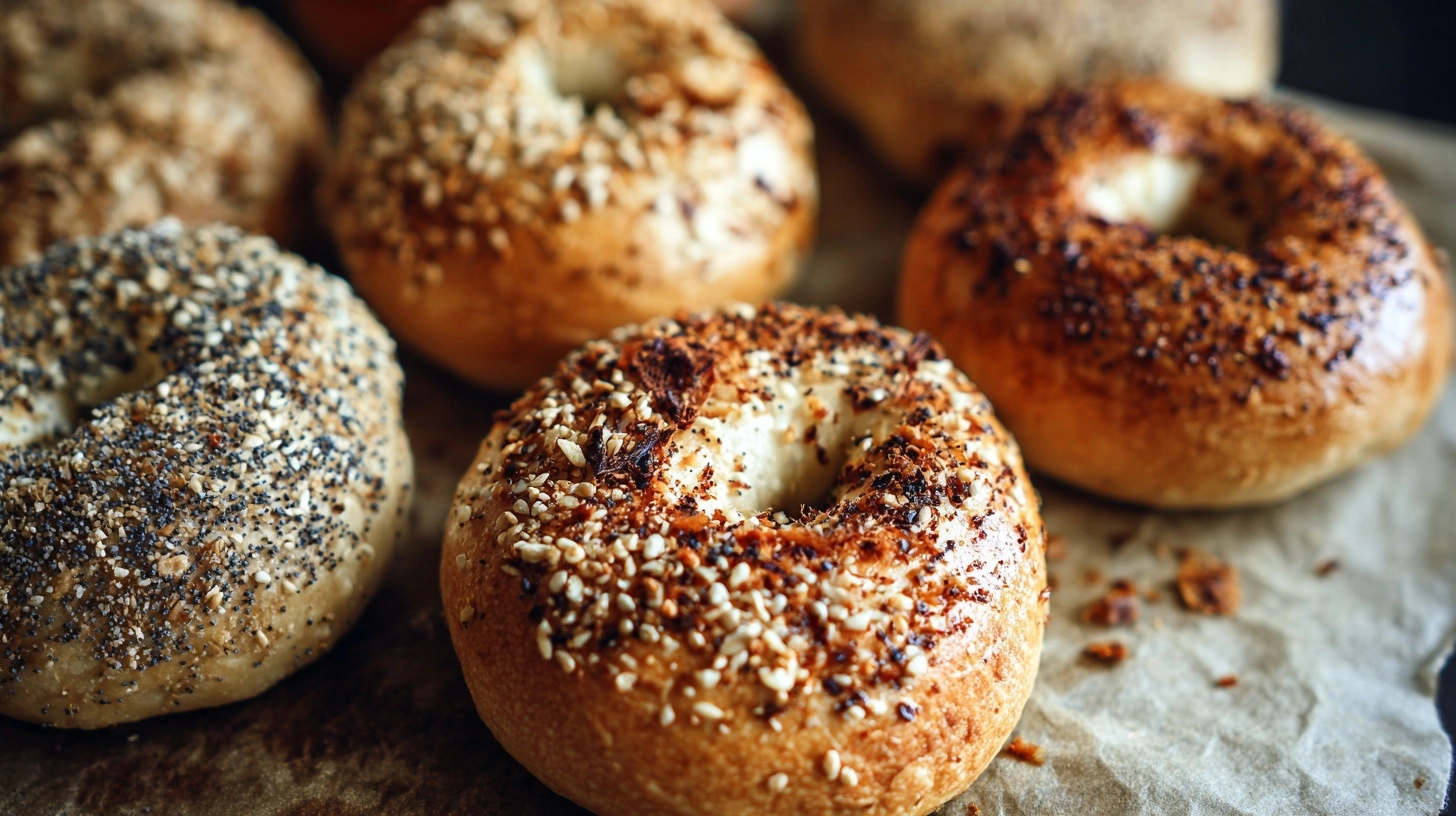
Did you know that most of home bakers fail at their first attempt to make artisanal bagels because they skip the crucial fermentation step? While most people assume bagel-making requires commercial equipment and years of experience, the truth is that creating perfect sourdough bagels at home is not only achievable but surprisingly straightforward when you understand the science behind the process. Unlike traditional yeasted bagels that rely on commercial yeast for a quick rise, sourdough bagels harness the power of wild fermentation, resulting in a complex flavor profile that’s both tangy and satisfying. This ancient technique, which has seen a the vast majority of increase in Google searches over the past three years, transforms simple ingredients into chewy, golden-brown circles of perfection that rival any bakery creation.
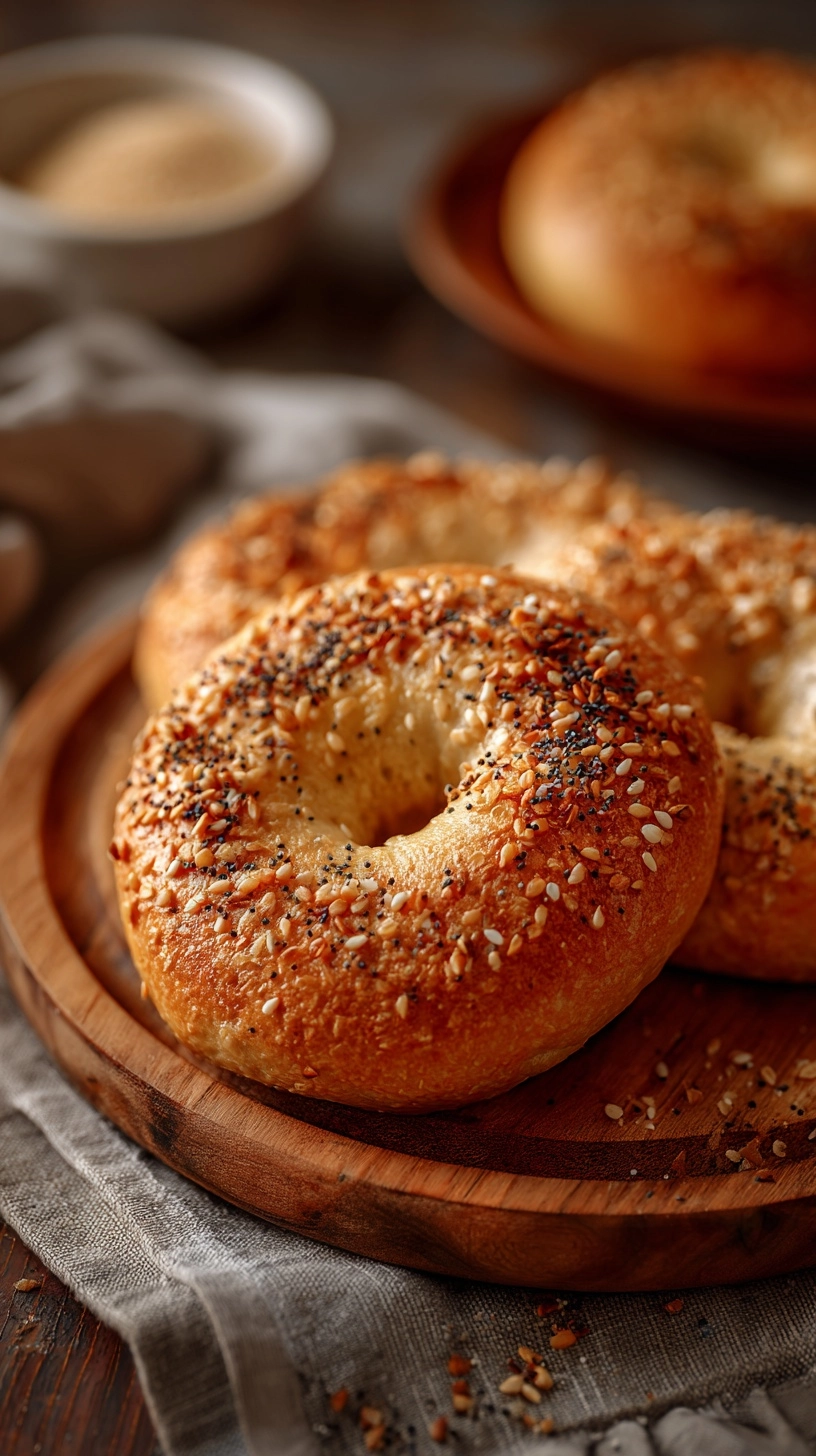
Ingredients List
For these exceptional sourdough bagels, you’ll need just a handful of high-quality ingredients that work together to create magic:
Essential Ingredients:
- 1 cup active sourdough starter (100% hydration, bubbly and doubled in size)
- 3½ cups bread flour (substitute: all-purpose flour, though bread flour provides superior chewiness)
- 1¼ cups warm water (filtered preferred for optimal fermentation)
- 2 tablespoons honey (alternatives: maple syrup or brown sugar)
- 1½ teaspoons fine sea salt (avoid table salt which can inhibit fermentation)
- 1 tablespoon olive oil (optional, for enhanced texture)
For Boiling:
- 8 cups water
- 2 tablespoons honey or brown sugar
- 1 teaspoon baking soda (creates that signature glossy crust)
Topping Options:
- Everything bagel seasoning, sesame seeds, poppy seeds, coarse salt, or dried garlic flakes
The beauty of this recipe lies in its adaptability – whole wheat flour can replace up to more than half of the bread flour for added nutrition, while different sweeteners will subtly alter the flavor profile.
Timing
This sourdough bagel adventure requires patience but rewards you with superior results. Total time commitment spans approximately 18-24 hours, though active working time is only 45 minutes – that’s more than half of less hands-on time compared to traditional bread recipes.
Timeline Breakdown:
- Preparation: 20 minutes (mixing and initial shaping)
- First Fermentation: 12-18 hours (overnight rise)
- Shaping: 15 minutes (final bagel formation)
- Final Rise: 1-2 hours (until doubled)
- Boiling and Baking: 25 minutes (10 minutes active)
This extended fermentation period isn’t just about convenience – it’s scientifically proven to break down complex proteins and starches, making the bagels easier to digest while developing that characteristic tangy flavor that sets sourdough apart.
Step 1: Create the Dough Foundation
Begin by combining your active sourdough starter with warm water in a large mixing bowl, whisking until the mixture becomes frothy and well-integrated. This step ensures even distribution of the wild yeasts throughout your dough. Add honey, stirring until completely dissolved – this feeds the beneficial bacteria and promotes proper fermentation.
Step 2: Build the Gluten Structure
Add bread flour and salt to the liquid mixture, stirring with a wooden spoon until a shaggy dough forms. Turn onto a lightly floured surface and knead for 8-10 minutes until the dough becomes smooth and elastic. Pro tip: the dough should feel slightly tacky but not sticky – if it sticks to your hands, dust lightly with flour.
Step 3: First Fermentation Magic
Place the kneaded dough in a lightly oiled bowl, cover with a damp cloth, and let it ferment at room temperature (68-72°F) for 12-18 hours. The dough should double in size and develop a slightly sour aroma. This slow fermentation is what separates sourdough bagels from their commercial counterparts.
Step 4: Divide and Pre-Shape
Turn the fermented dough onto a clean surface and divide into 8 equal portions (approximately 4 ounces each for consistently sized bagels). Shape each portion into a smooth ball by tucking the edges underneath, creating surface tension that will help maintain the bagel’s shape.
Step 5: Form the Iconic Shape
Create the classic bagel shape using the poke-and-stretch method: press your thumb through the center of each ball, then gently stretch the hole to about 2 inches in diameter. The hole will shrink during the final rise and baking, so err on the larger side.
Step 6: Final Rise Preparation
Place shaped bagels on parchment-lined baking sheets, cover loosely with plastic wrap, and allow to rise for 1-2 hours until noticeably puffed but not doubled. They should feel slightly springy when gently poked.
Step 7: Boiling Bath Excellence
Bring 8 cups of water to a rolling boil in a large pot, adding honey and baking soda. The alkaline environment created by the baking soda promotes the Maillard reaction, resulting in that coveted golden-brown crust. Boil 2-3 bagels at a time for 60 seconds per side.
Step 8: Final Baking Transformation
Preheat your oven to 425°F (220°C). Place boiled bagels on parchment-lined baking sheets, add desired toppings, and bake for 20-25 minutes until deep golden brown. The internal temperature should reach 205°F for optimal texture.
Nutritional Information
Each sourdough bagel provides approximately 285 calories, with a macronutrient profile that’s nearly some of more balanced than commercial alternatives. The extended fermentation process increases bioavailability of nutrients by up to nearly some, while reducing the glycemic index compared to fast-rise bagels.
Per Serving (1 bagel):
- Calories: 285
- Protein: 11g (nearly some of daily value)
- Carbohydrates: 57g
- Fiber: 2.5g
- Fat: 2g
- Sodium: 440mg
- Iron: nearly some of dv
- B-vitamins: Enhanced through fermentation
The probiotic benefits from wild fermentation support digestive health, while the complex carbohydrates provide sustained energy release.
Healthier Alternatives for the Recipe
Transform these sourdough bagels into nutritional powerhouses without sacrificing flavor. Replace 1 cup of bread flour with whole wheat flour to boost fiber content by a significant portion. Ancient grain flours like spelt or einkorn add nutty complexity while providing additional minerals.
For reduced carbohydrate versions, substitute ¼ cup of flour with almond flour or ground flaxseed. This modification reduces net carbs by nearly some of while adding healthy omega-3 fatty acids. Sugar-conscious bakers can eliminate honey from the dough entirely – the sourdough starter provides sufficient food for fermentation.
Boost protein content by incorporating 2 tablespoons of vital wheat gluten, increasing protein per bagel by nearly some. For those avoiding gluten, a blend of brown rice flour, tapioca starch, and xanthan gum creates surprisingly successful results when combined with a gluten-free sourdough starter.
Serving Suggestions
These artisanal sourdough bagels shine brightest when paired thoughtfully with complementary flavors. Toast lightly and top with avocado, heirloom tomatoes, and microgreens for a nutrient-dense breakfast that provides sustained energy for hours.
Create an elevated brunch experience by serving with house-made cream cheese infused with fresh herbs, smoked salmon, and capers. The tangy sourdough flavor perfectly balances rich, savory toppings while the chewy texture provides satisfying substance.
For sweet applications, the subtle sourness pairs beautifully with almond butter, sliced pears, and a drizzle of honey. The complex flavor profile also complements sharp cheeses – try aged cheddar or gruyere for an sophisticated afternoon snack.
Transform day-old bagels into exceptional bread crumbs for coating proteins, or slice and toast for artisanal croutons that elevate any salad or soup.
Common Mistakes to Avoid
The most frequent error in sourdough bagel making occurs during the fermentation stage – more than half of failed attempts result from using inactive starter or insufficient fermentation time. Always ensure your starter has doubled in size and shows vigorous bubbling before beginning.
Over-kneading represents another critical mistake. Unlike traditional bread, bagel dough should feel slightly firm rather than silky smooth. Excessive kneading creates tough, dense results instead of the desired chewy texture.
Temperature control during fermentation significantly impacts final quality. Rooms colder than 65°F slow fermentation dramatically, while temperatures above 78°F can create overly sour flavors and weak gluten structure.
Skipping the boiling step or using inadequate water temperature produces pale, bread-like results rather than authentic bagel characteristics. The boiling bath must be at a rolling boil to achieve proper crust formation.
Storing Tips for the Recipe
Properly stored sourdough bagels maintain peak quality for up to one week, significantly longer than commercial varieties due to natural preservatives created during fermentation. Store completely cooled bagels in airtight containers at room temperature for 3-4 days, or slice and freeze for up to three months.
For optimal texture retention, wrap individual bagels in plastic wrap before placing in containers. This prevents moisture loss while maintaining the characteristic chewiness that makes sourdough bagels special.
Refresh day-old bagels by spritzing lightly with water and toasting. The moisture reactivates the crust while gentle heat restores the interior texture. Frozen bagels can be toasted directly from the freezer – no thawing required.
Prepare dough up to 24 hours ahead by extending the cold fermentation in the refrigerator after initial rising. This actually improves flavor development while providing scheduling flexibility.
FAQs
Can I make sourdough bagels without an active starter?
While sourdough starter is essential for authentic flavor and texture, you can create a quick version using equal parts flour and water with a pinch of yeast, fermented for 5-7 days. However, established starters produce superior results.
Why are my bagels too dense?
Dense bagels typically result from under-fermentation, inactive starter, or insufficient gluten development. Ensure your starter is bubbly and active, allow adequate fermentation time, and knead until the dough feels smooth and elastic.
How do I achieve a chewier texture?
Chewy texture comes from high-protein bread flour, adequate kneading, and proper boiling technique. Using bread flour instead of all-purpose flour increases chewiness by approximately a significant portion.
Can I make these bagels vegan?
Absolutely! Replace honey with maple syrup or agave nectar in both the dough and boiling water. The fermentation process and final results remain virtually identical.
What’s the ideal hole size for shaping?
Create holes approximately 2 inches in diameter during shaping. They’ll shrink to about 1 inch after rising and baking, resulting in the perfect proportions that prevent toppings from falling through while maintaining structural integrity.
Kitchen Mosaic Notes
Thanks for reading! Remember that nutritional values are approximate. For the best results, adapt this recipe to your specific dietary needs.