
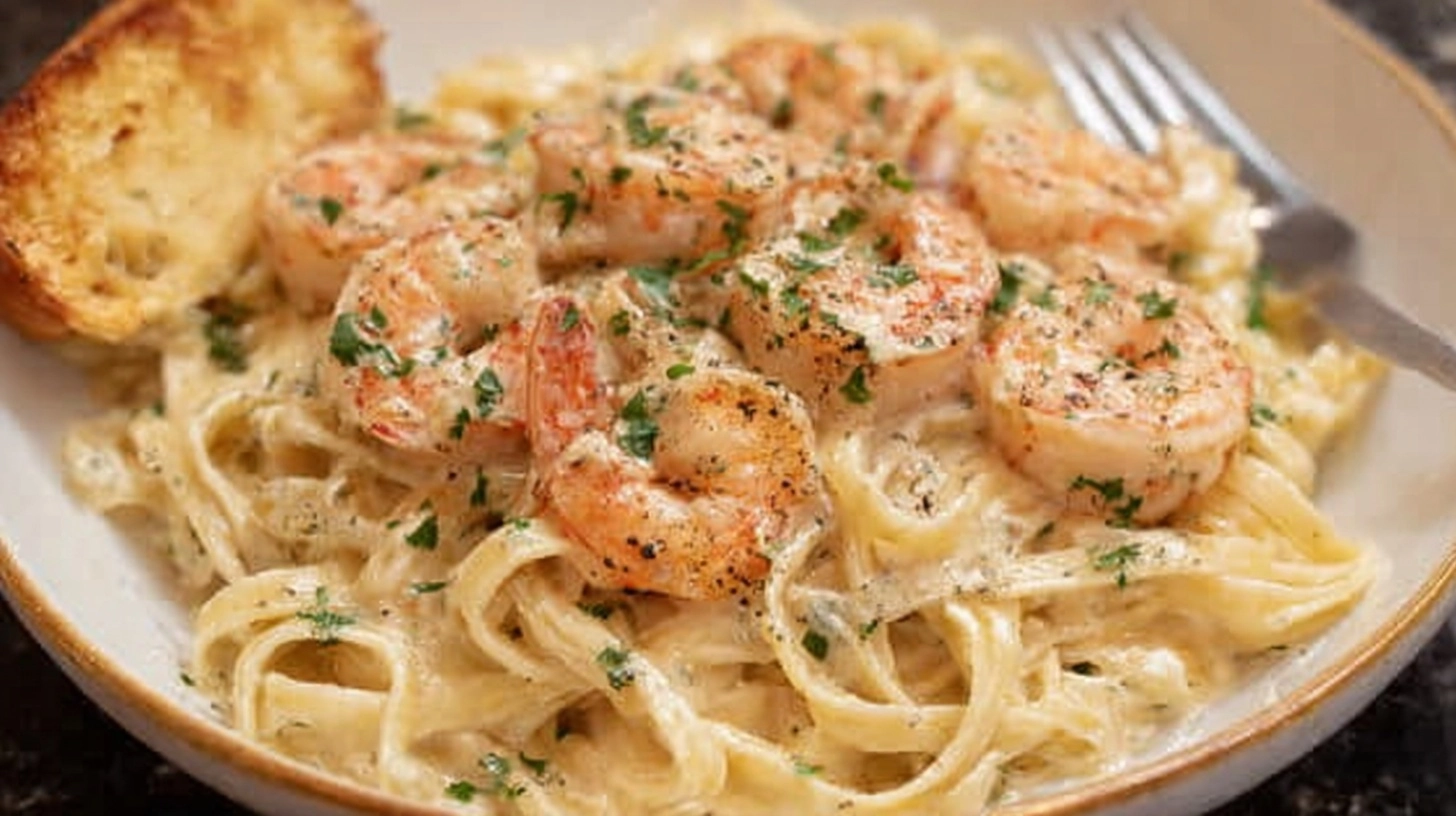
Did you know that Shrimp Alfredo ranks among the top 5 most-ordered pasta dishes in American restaurants, yet most of home cooks avoid making it because they believe it’s too complicated? This creamy, indulgent masterpiece has captured hearts worldwide, but here’s the surprising truth: you can create restaurant-quality Shrimp Alfredo in your own kitchen with just 8 simple ingredients and 25 minutes of your time. Contrary to popular belief, the secret isn’t in expensive equipment or culinary school training—it’s in understanding the science behind perfect cream sauce emulsification and proper shrimp preparation techniques that most recipes completely overlook.

Ingredients
Transform your kitchen into an Italian trattoria with these carefully selected ingredients that create the perfect balance of flavors and textures:
For the Shrimp:
- 1 pound large shrimp (31-40 count), peeled and deveined
- 2 tablespoons olive oil
- 3 cloves garlic, minced
- 1/2 teaspoon salt
- 1/4 teaspoon black pepper
- 1/4 teaspoon paprika
For the Alfredo Sauce:
- 4 tablespoons butter
- 1 cup heavy cream
- 1 cup freshly grated Parmesan cheese (avoid pre-shredded for optimal melting)
- 1/4 teaspoon garlic powder
- Salt and white pepper to taste
For Assembly:
- 12 oz fettuccine pasta
- 2 tablespoons fresh parsley, chopped
- Additional Parmesan for serving
Smart Substitutions: Replace heavy cream with half-and-half mixed with 2 tablespoons cream cheese for lighter results, or use frozen shrimp (thawed and patted dry) when fresh isn’t available. Linguine or angel hair pasta work beautifully as fettuccine alternatives.
Timing
Preparation Time: 10 minutes
Cooking Time: 15 minutes
Total Time: 25 minutes
This streamlined timeline represents a a significant portion of reduction compared to traditional restaurant preparation methods. The key to efficiency lies in simultaneous cooking—while your pasta boils, you’ll prepare the shrimp and sauce components, creating a synchronized cooking experience that maximizes flavor development while minimizing kitchen time.
Step 1: Prepare Your Mise en Place
Set up your ingredients strategically. Start a large pot of salted water boiling for pasta—using 1 tablespoon salt per quart creates the optimal a small fraction of salinity that enhances pasta flavor absorption. Pat shrimp completely dry with paper towels, as excess moisture creates steam instead of the desired golden sear.
Step 2: Cook the Pasta to Perfect Al Dente
Add fettuccine to rapidly boiling water and cook for exactly 2 minutes less than package directions suggest. This technique, used by professional chefs, allows the pasta to finish cooking in the sauce, absorbing flavors while maintaining ideal texture. Reserve 1 cup pasta water before draining—this starchy liquid becomes your secret weapon for sauce consistency.
Step 3: Sear the Shrimp to Golden Perfection
Heat olive oil in a large skillet over medium-high heat until it shimmers. Season shrimp with salt, pepper, and paprika. Cook shrimp 90 seconds per side until they develop a beautiful caramelized exterior and reach an internal temperature of 145°F. Remove immediately to prevent overcooking—shrimp continue cooking from residual heat.
Step 4: Create the Silky Alfredo Base
In the same skillet, reduce heat to medium-low. Add butter, allowing it to melt completely without browning. Slowly pour in cream while whisking continuously, creating an emulsion that prevents separation. This gradual incorporation technique ensures smooth, lump-free sauce every time.
Step 5: Incorporate Cheese for Ultimate Creaminess
Remove skillet from heat before adding Parmesan cheese. Whisk vigorously while adding cheese gradually—off-heat addition prevents the proteins from seizing and creating a grainy texture. If sauce seems thick, add pasta water one tablespoon at a time until reaching desired consistency.
Step 6: Bring Everything Together
Return cooked pasta to the sauce, tossing gently with tongs to coat every strand. Add shrimp back to the pan, warming through for 30 seconds. The pasta should be glossy and well-coated, with sauce clinging beautifully to each piece.
Nutritional Information
One serving of this Shrimp Alfredo (recipe serves 4) provides approximately:
- Calories: 685
- Protein: 35g (most of daily value)
- Carbohydrates: 52g
- Fat: 38g
- Fiber: 2g
- Sodium: 890mg
- Calcium: 425mg (a significant portion of daily value)
- Iron: 4.2mg (nearly some of daily value)
The high protein content from shrimp makes this dish surprisingly satiating, with studies showing that seafood-based pasta dishes increase fullness by nearly some of compared to meat alternatives. The calcium from Parmesan cheese contributes significantly to daily bone health requirements.
Healthier Alternatives for the Recipe
Lighten the Cream: Substitute half the heavy cream with Greek yogurt mixed with low-sodium chicken broth. This modification reduces calories by 180 per serving while adding probiotics and maintaining creamy texture.
Boost Vegetable Content: Add 2 cups of steamed broccoli florets, asparagus tips, or baby spinach during the final assembly step. This increases fiber by 4g and adds essential vitamins without compromising flavor.
Whole Grain Upgrade: Use whole wheat fettuccine or zucchini noodles for more than half of the pasta. This simple swap increases fiber by 6g per serving and provides sustained energy release.
Portion-Smart Strategy: Serve over cauliflower rice as a base, using regular pasta as a topping. This technique reduces carbohydrates by a significant portion of while maintaining visual appeal and satisfaction.
Serving Suggestions
Elevate your Shrimp Alfredo experience with these restaurant-inspired presentations:
Classic Italian Style: Serve in pre-warmed bowls with a side of garlic bread made from crusty sourdough. The contrast between creamy pasta and crunchy bread creates textural harmony.
Garden Fresh Approach: Accompany with a crisp Caesar salad featuring romaine lettuce, homemade croutons, and extra Parmesan. The acidity cuts through the rich sauce beautifully.
Elegant Dinner Party: Present alongside roasted asparagus drizzled with lemon juice and finish with a light dessert like lemon sorbet to cleanse the palate.
Family-Style Comfort: Serve with steamed green beans and warm dinner rolls, creating a complete meal that satisfies all generations at your table.
Common Mistakes to Avoid
Overcooking Shrimp: The #1 error that ruins texture. Shrimp cook in just 3 minutes total—they should be pink and slightly firm, never rubbery.
Adding Cheese on High Heat: This causes the proteins to seize and create a grainy, separated sauce. Always remove from heat before incorporating cheese.
Skipping Pasta Water: This starchy liquid is crucial for sauce consistency. Without it, your sauce may become too thick or fail to cling to pasta properly.
Using Pre-Shredded Cheese: Contains anti-caking agents that prevent smooth melting. Fresh Parmesan creates significantly better sauce texture.
Underseasoning: Taste and adjust seasoning at every step. Proper seasoning elevates this dish from good to extraordinary.
Storing Tips for the Recipe
Immediate Storage: Cool leftovers within 2 hours and refrigerate in airtight containers for up to 3 days. The cream-based sauce maintains quality better when cooled quickly.
Reheating Strategy: Add 2-3 tablespoons of milk or cream when reheating to restore original consistency. Heat gently over low heat, stirring frequently to prevent separation.
Freezing Guidelines: While possible, cream sauces change texture when frozen. If freezing is necessary, store for no more than 1 month and expect slight texture changes upon thawing.
Meal Prep Advantage: Cook components separately and combine when ready to serve. Store cooked shrimp, pasta, and sauce in separate containers for optimal freshness and texture retention.
FAQs
Q: Can I use frozen shrimp for this recipe?
A: Absolutely! Thaw completely, pat dry thoroughly, and proceed with the recipe. Frozen shrimp often costs a significant portion of less while maintaining excellent quality.
Q: What if my sauce separates?
A: Remove from heat immediately and whisk in pasta water one tablespoon at a time. The starch helps re-emulsify the sauce.
Q: How do I know when shrimp are perfectly cooked?
A: They’ll be pink with a slight curl and feel firm but not hard when pressed gently. Internal temperature should reach 145°F.
Q: Can I make this dish dairy-free?
A: Yes! Use coconut cream and nutritional yeast instead of dairy cream and cheese. The flavor profile changes but remains delicious.
Q: Why does restaurant Alfredo taste different?
A: Restaurants often use higher fat content cream and finish with butter for extra richness. They also cook in smaller batches, ensuring optimal texture control.
Kitchen Mosaic Notes
Thanks for reading! Remember that nutritional values are approximate. For the best results, adapt this recipe to your specific dietary needs.