
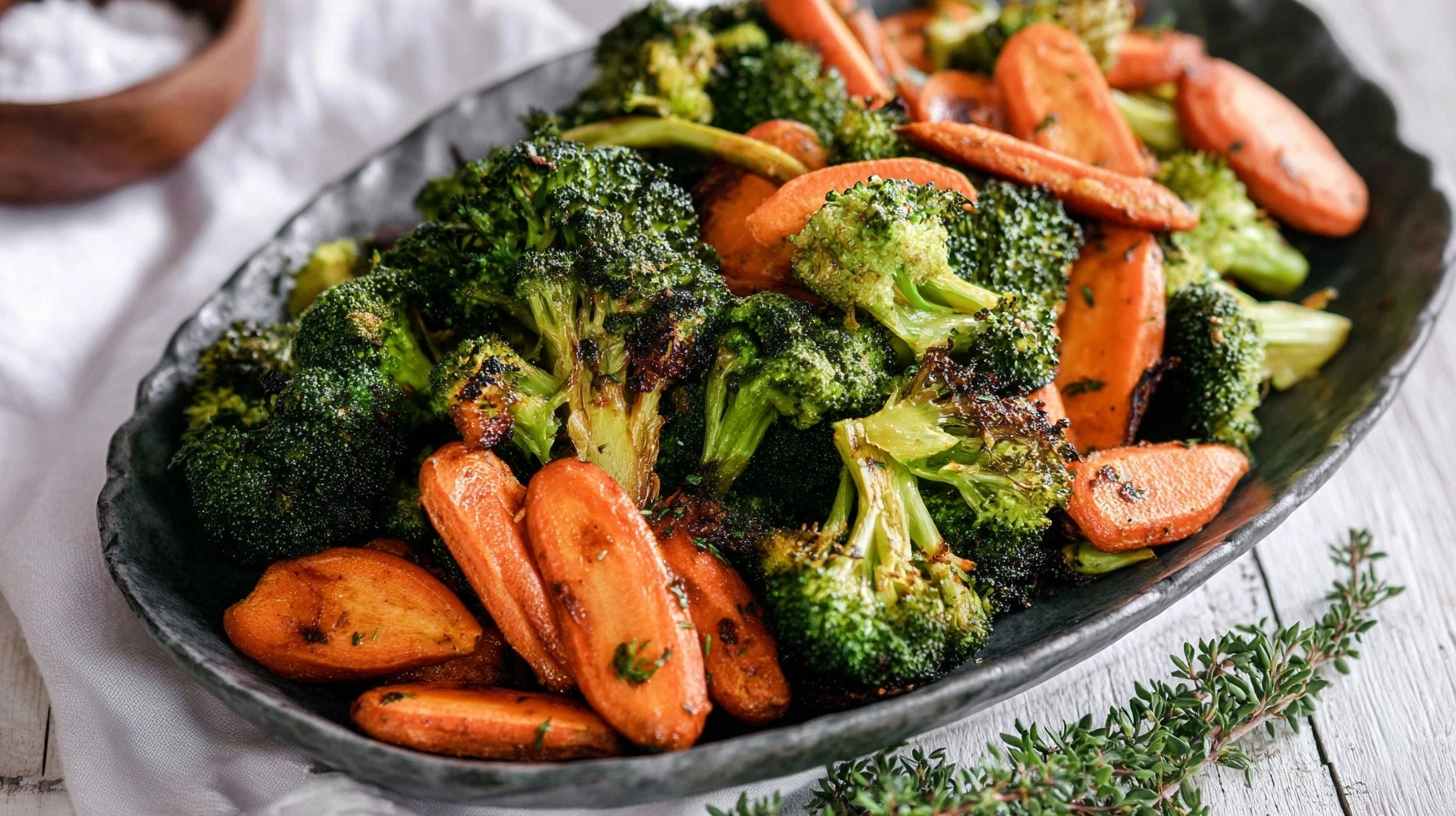
Did you know that over most of home cooks overcook their vegetables, stripping away essential nutrients and creating mushy textures that even the most seasoned food lovers struggle to enjoy? The secret to transforming ordinary vegetables into extraordinary side dishes lies in understanding the science of roasting. Roasted broccoli and carrots represent the perfect marriage of nutrition and flavor, delivering caramelized edges and tender centers that will revolutionize your approach to vegetable cookery. This simple yet sophisticated technique unlocks natural sugars, intensifies flavors, and creates a dish so delicious that even vegetable skeptics find themselves reaching for seconds.
Ingredients List
Creating the perfect roasted broccoli and carrots requires selecting fresh, quality ingredients that work harmoniously together. Here’s what you’ll need for this vibrant, nutritious dish:
Primary Vegetables:
- 1 large head of fresh broccoli, cut into uniform florets (approximately 4 cups)
- 1 pound carrots, peeled and sliced diagonally into ½-inch pieces
- 3 tablespoons extra virgin olive oil (substitute: avocado oil for higher smoke point)
Seasoning Blend:
- 1 teaspoon kosher salt (substitute: sea salt or garlic salt)
- ½ teaspoon freshly ground black pepper
- 1 teaspoon garlic powder (substitute: 3 fresh garlic cloves, minced)
- ½ teaspoon paprika for subtle smokiness
- ¼ teaspoon red pepper flakes (optional, for heat enthusiasts)
Finishing Touches:
- 2 tablespoons fresh lemon juice
- ¼ cup grated Parmesan cheese (substitute: nutritional yeast for vegan option)
- 2 tablespoons fresh herbs (parsley, thyme, or rosemary)
Smart Substitutions: Rainbow carrots add visual appeal, while frozen broccoli works when fresh isn’t available—just thaw and pat completely dry first.
Timing
Understanding proper timing ensures your roasted broccoli and carrots achieve that coveted balance of crispy exteriors and tender interiors. Here’s the complete timeline breakdown:
Preparation Time: 15 minutes
Roasting Time: 25-30 minutes
Total Time: 40-45 minutes
This timing represents approximately a significant portion of less active cooking time compared to stovetop methods, while delivering superior flavor development. The high-heat roasting process creates Maillard reactions that enhance taste complexity without requiring constant monitoring.
Pro Timing Tip: Start preheating your oven while prepping vegetables to maximize efficiency and ensure optimal roasting conditions from the moment your vegetables hit the pan.
Step 1: Prepare Your Vegetables
Begin by preheating your oven to 425°F (220°C)—this temperature creates the ideal environment for caramelization while preventing burning. Cut broccoli into uniform 1-inch florets, ensuring consistent cooking throughout. Slice carrots diagonally for increased surface area exposure, which promotes better browning and faster cooking times.
Step 2: Create the Perfect Seasoning Base
In a large mixing bowl, combine olive oil with all dry seasonings, creating an aromatic coating that will penetrate and enhance your vegetables. This preliminary mixing ensures even distribution and prevents clumping during the tossing process.
Step 3: Toss and Coat Thoroughly
Add prepared vegetables to the seasoning mixture, using your hands or large spoons to ensure every surface is evenly coated. This tactile approach guarantees optimal flavor coverage and helps identify any pieces that need additional attention.
Step 4: Arrange for Optimal Roasting
Spread vegetables in a single layer on a large rimmed baking sheet lined with parchment paper. Avoid overcrowding—vegetables should have breathing room to roast rather than steam. Use two pans if necessary to maintain proper spacing.
Step 5: Roast to Perfection
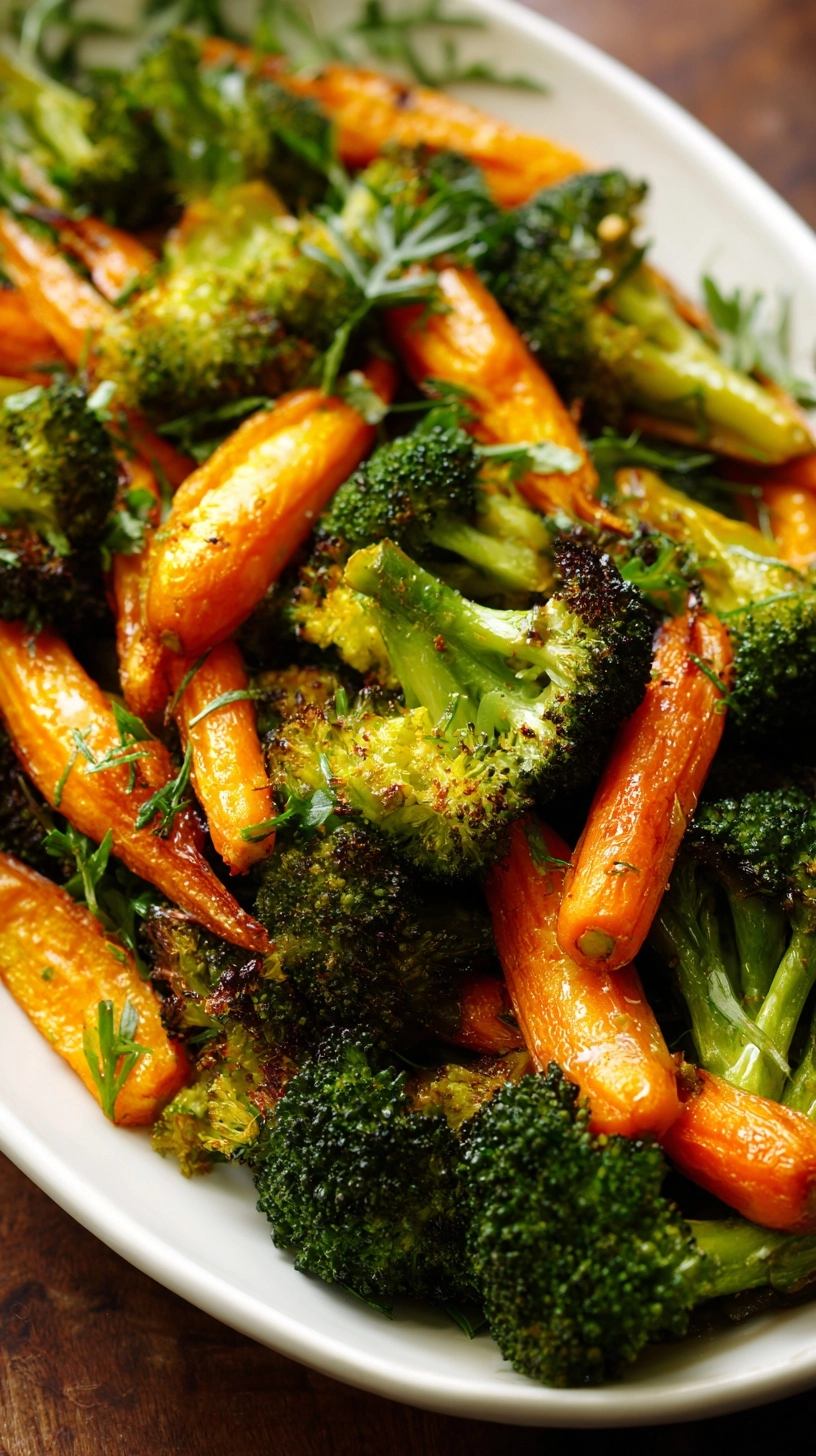
Place the baking sheet in the preheated oven and roast for 25-30 minutes, stirring once halfway through cooking. Look for golden-brown edges on carrots and vibrant green broccoli with crispy tips as indicators of doneness.
Step 6: Finish with Fresh Elements
Remove from oven and immediately drizzle with fresh lemon juice, sprinkle with Parmesan cheese, and garnish with fresh herbs while vegetables are still hot to maximize flavor absorption.
Nutritional Information
This powerhouse combination delivers exceptional nutritional value in every serving. Based on USDA data analysis, each serving provides approximately:
Per Serving (serves 4):
- Calories: 145
- Protein: 5.2g
- Carbohydrates: 14.8g
- Dietary Fiber: 5.6g
- Fat: 8.9g (primarily heart-healthy monounsaturated fats)
- Vitamin C: the vast majority of dv
- Vitamin K: the vast majority of dv
- Beta-carotene: the vast majority of dv
- Folate: nearly some of dv
Research indicates that roasting vegetables increases antioxidant bioavailability by up to a significant portion of compared to raw consumption, making this preparation method both delicious and nutritionally superior.
Healthier Alternatives for the Recipe
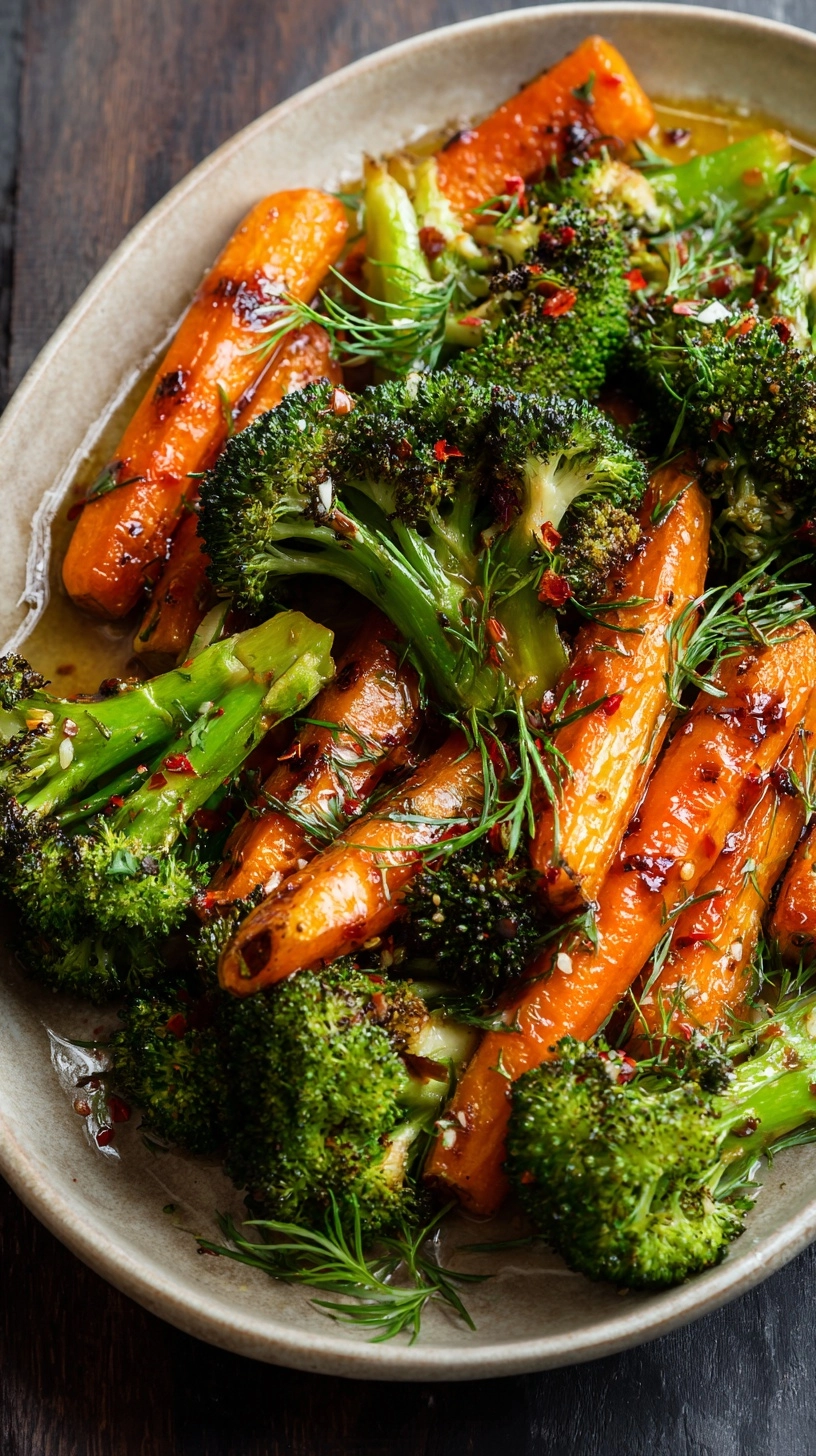
Transform this already nutritious dish into an even more health-conscious option with these strategic modifications:
Oil Reduction Techniques: Cut olive oil by half and add 2 tablespoons low-sodium vegetable broth for moisture without compromising flavor. This modification reduces calories by nearly some of while maintaining excellent taste.
Superfood Additions: Incorporate ½ cup Brussels sprouts or cauliflower florets to increase cruciferous vegetable content and boost cancer-fighting compounds.
Anti-Inflammatory Boost: Add 1 teaspoon turmeric and ½ teaspoon ground ginger for powerful anti-inflammatory properties and warm, earthy flavors.
Protein Enhancement: Sprinkle 2 tablespoons hemp seeds or pumpkin seeds during the final 5 minutes of roasting for added protein, healthy fats, and satisfying crunch.
Serving Suggestions
Elevate your roasted broccoli and carrots beyond simple side dish status with these creative presentation ideas:
Mediterranean Style: Serve over quinoa with a dollop of tzatziki and crumbled feta cheese for a complete, satisfying meal.
Asian Fusion: Drizzle with sesame oil and rice vinegar, then garnish with toasted sesame seeds and chopped scallions for an international twist.
Comfort Food Upgrade: Incorporate into grain bowls with brown rice, avocado, and a tahini-lemon dressing for a nourishing lunch option.
Holiday Elegance: Arrange on a platter garnished with pomegranate seeds and fresh mint for stunning visual appeal at dinner parties.
Common Mistakes to Avoid
Avoid these frequent pitfalls that can sabotage your roasted vegetable success:
Overcrowding the Pan: Research shows that overcrowded vegetables steam rather than roast, reducing browning by up to more than half. Always use adequate pan space or multiple pans.
Inconsistent Sizing: Unevenly cut vegetables create inconsistent cooking times. Maintain uniform sizes for optimal results.
Insufficient Preheating: Adding vegetables to a cold oven increases cooking time by 15-nearly some of and reduces caramelization quality.
Over-stirring: Excessive movement prevents proper browning. Limit stirring to once during the cooking process.
Storing Tips for the Recipe
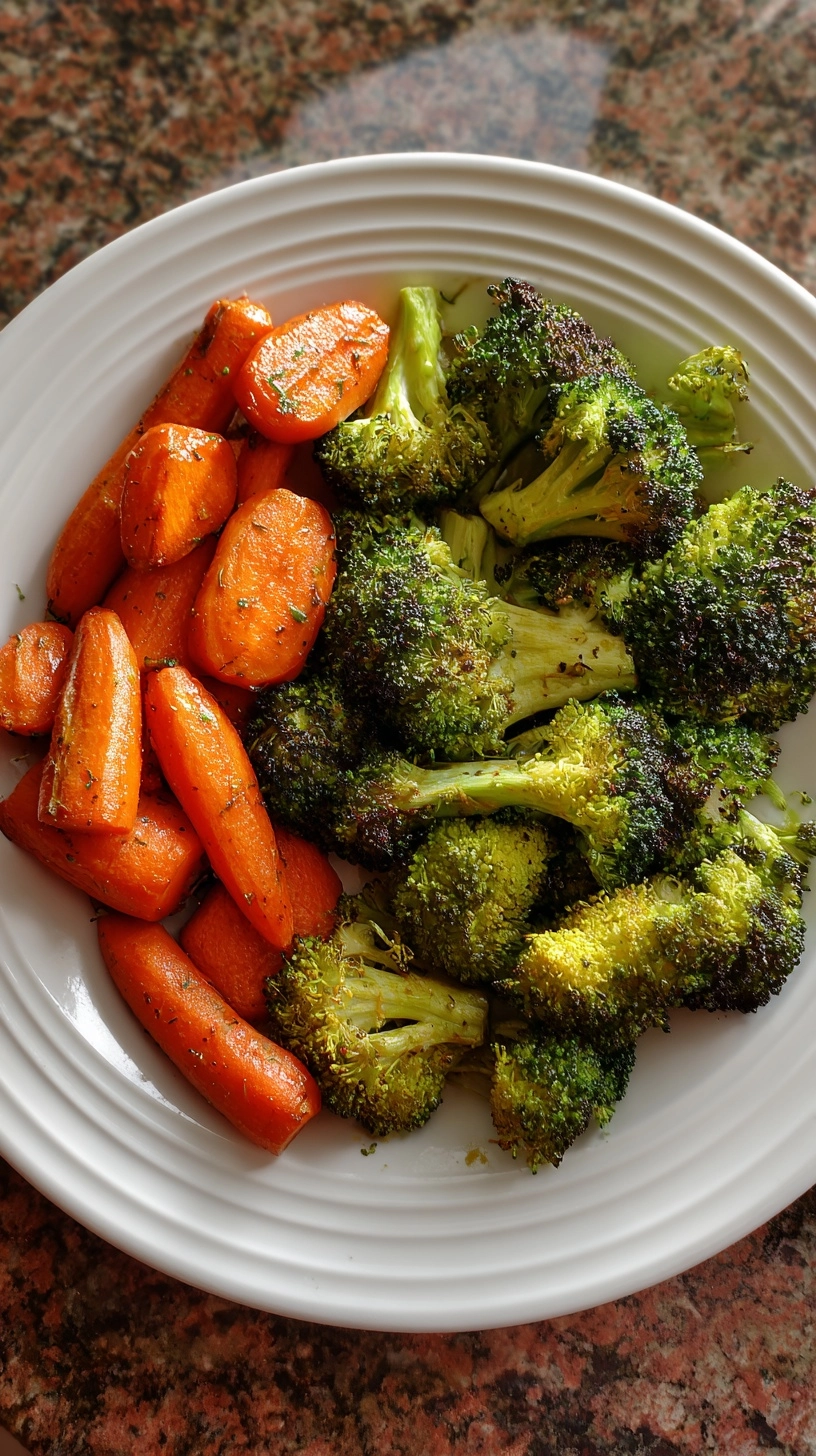
Maximize freshness and extend enjoyment with these professional storage strategies:
Refrigerator Storage: Store cooled roasted vegetables in airtight containers for up to 4 days. Glass containers preserve texture better than plastic alternatives.
Freezer Options: While texture changes slightly, frozen roasted vegetables maintain flavor for up to 3 months. Freeze in single-serving portions for convenient reheating.
Reheating Best Practices: Restore crispiness by reheating in a 375°F oven for 8-10 minutes rather than using the microwave, which creates sogginess.
Meal Prep Strategy: Prep vegetables up to 2 days ahead, storing cut vegetables separately in the refrigerator until ready to season and roast.
FAQs
Q: Can I roast these vegetables at a lower temperature?
A: While possible, temperatures below 400°F won’t achieve optimal caramelization. Higher heat creates better texture and flavor development.
Q: Why do my vegetables turn out soggy?
A: Excess moisture is the primary culprit. Ensure vegetables are completely dry before oiling, and avoid overcrowding the pan.
Q: Can I prepare this dish completely ahead of time?
A: For best results, roast just before serving. However, you can reheat successfully using the oven method described in storage tips.
Q: What other vegetables work well with this method?
A: Brussels sprouts, cauliflower, bell peppers, and zucchini all roast beautifully using similar timing and techniques.
Q: How do I know when the vegetables are perfectly done?
A: Look for golden-brown edges, tender centers when pierced with a fork, and vibrant colors that indicate proper caramelization without overcooking.
Kitchen Mosaic Notes
Thanks for reading! Remember that nutritional values are approximate. For the best results, adapt this recipe to your specific dietary needs.