
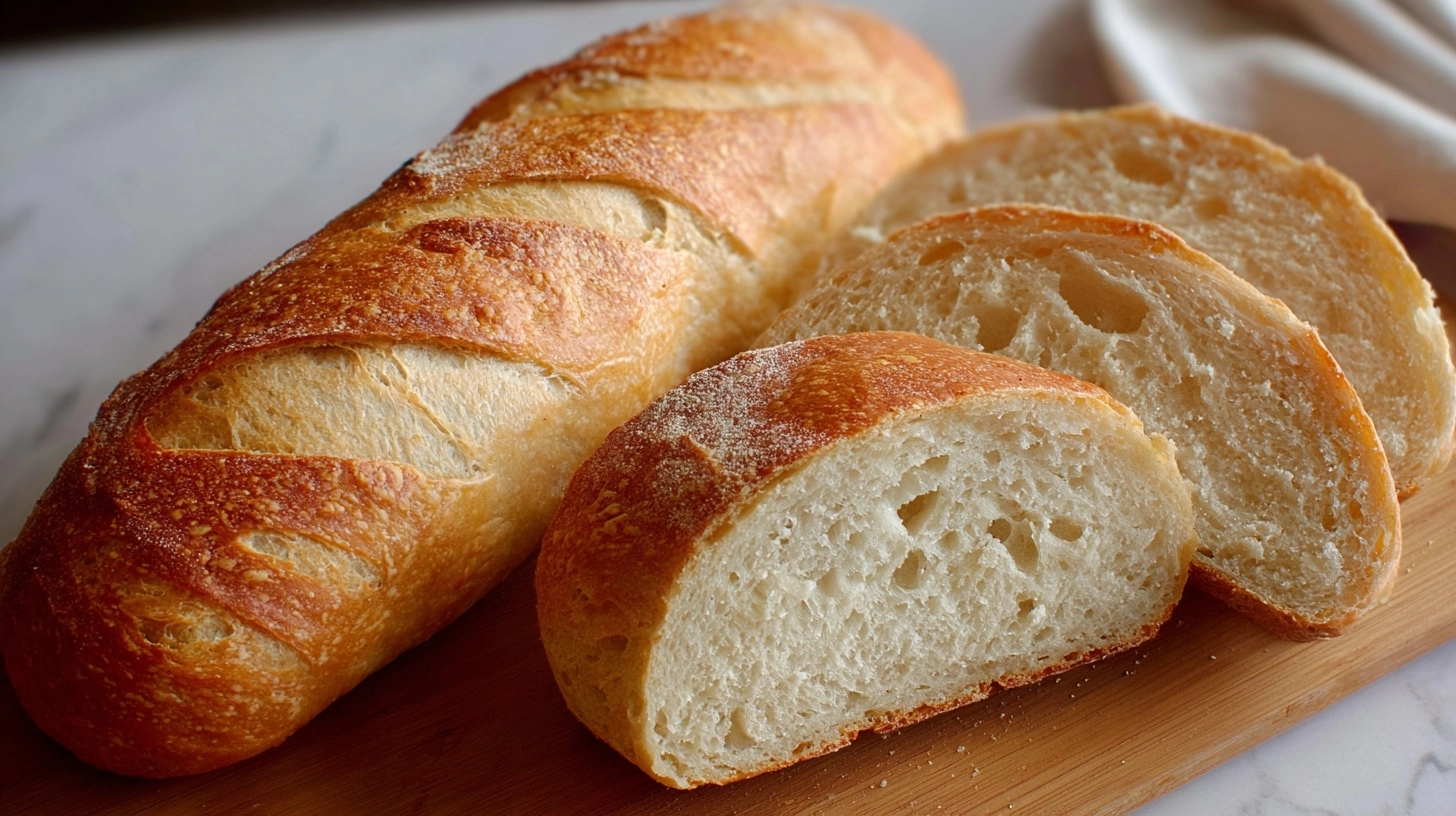
Did you know that more than half of home bakers throw away their sourdough discard, missing out on creating incredible bread in a fraction of the traditional time? This Quick Sourdough Discard French Bread transforms what many consider kitchen waste into a golden, crusty masterpiece that rivals bakery-quality loaves. Unlike conventional sourdough that requires days of planning, this innovative recipe harnesses the tangy complexity of your discard to produce artisanal French bread in just 90 minutes. The beauty lies in how the discard’s natural fermentation adds depth while commercial yeast provides the reliable rise, creating a hybrid approach that delivers both flavor and convenience for busy home bakers.
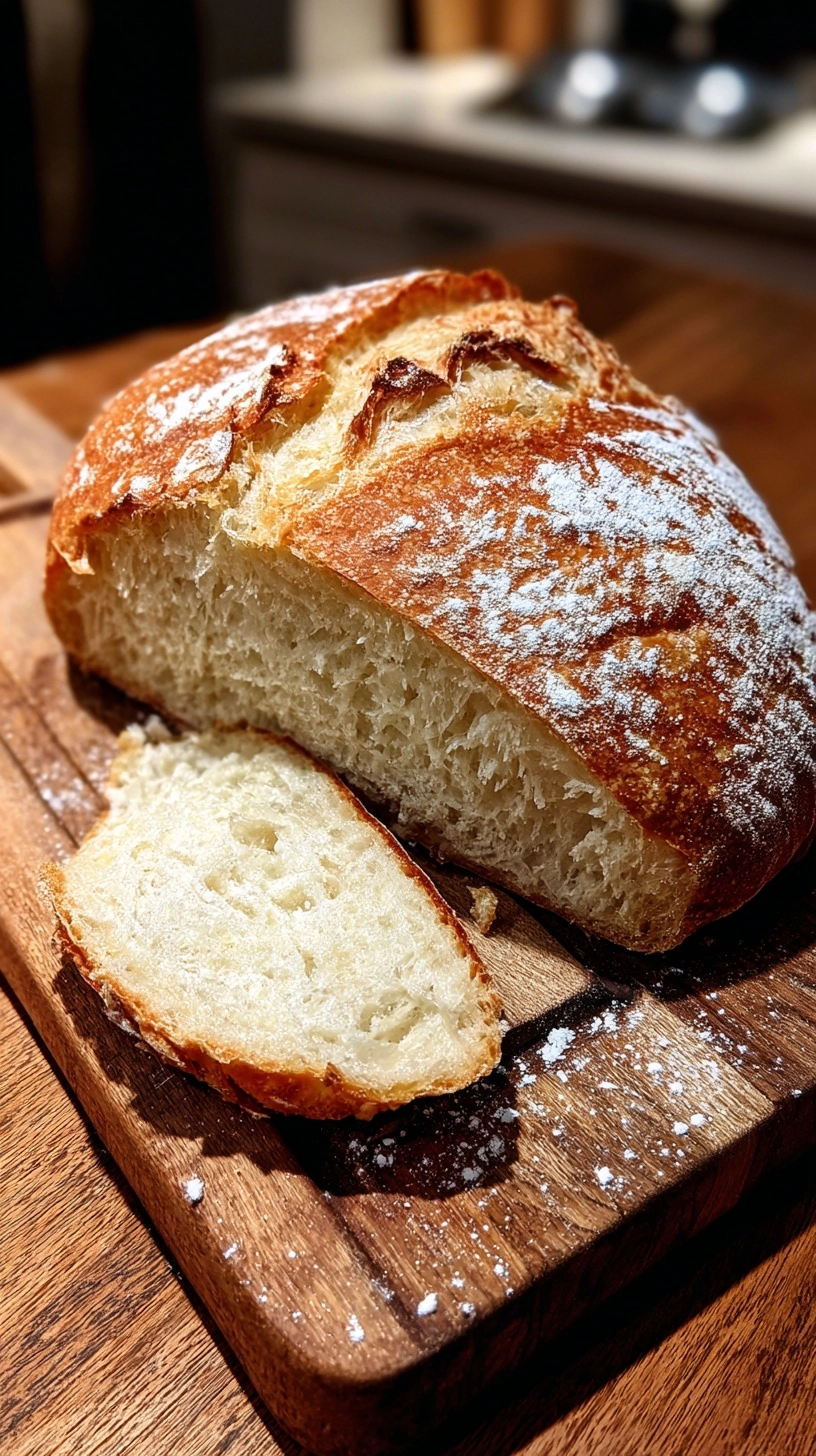
Ingredients List
This Quick Sourdough Discard French Bread requires simple pantry staples that combine to create extraordinary results:
- 1 cup sourdough discard (room temperature for optimal mixing – can substitute with 1 cup all-purpose flour plus ½ cup water if needed)
- 2½ cups bread flour (provides superior gluten structure; all-purpose flour works as substitute)
- 1 cup warm water (around 110°F – the perfect temperature for yeast activation)
- 1 teaspoon active dry yeast (instant yeast can be substituted without proofing)
- 1½ teaspoons salt (sea salt or kosher salt enhances flavor complexity)
- 1 tablespoon sugar (feeds the yeast and promotes golden crust development)
- 2 tablespoons olive oil (adds moisture and subtle richness to crumb texture)
The magic happens when these ingredients unite, with the sourdough discard contributing both flavor depth and natural enzymes that enhance the bread’s texture and keeping quality.
Timing
This streamlined Quick Sourdough Discard French Bread requires 90 minutes total time – approximately nearly some of faster than traditional French bread recipes. The breakdown includes 15 minutes for mixing and initial kneading, 45 minutes for the first rise, 10 minutes for shaping and scoring, 15 minutes for the second rise, and 25 minutes of baking time. This efficient timeline means you can start this bread after lunch and have fresh, warm loaves ready for dinner, making it perfect for spontaneous bread cravings or last-minute meal planning.
Step 1: Activate Your Foundation
Begin by dissolving the sugar in warm water, then sprinkle the yeast over the surface. Allow this mixture to foam for 5-8 minutes until it resembles creamy cappuccino froth. Meanwhile, whisk your sourdough discard until smooth, eliminating any lumps that could create texture inconsistencies in your final loaf.
Step 2: Build the Dough Structure
In a large mixing bowl, combine the bread flour and salt, creating a well in the center. Pour in the foamy yeast mixture, smooth sourdough discard, and olive oil. Using a wooden spoon or dough whisk, mix until a shaggy dough forms, ensuring no dry flour pockets remain hidden in the bowl’s corners.
Step 3: Develop the Gluten Network
Turn the dough onto a lightly floured surface and knead for 8-10 minutes until it becomes smooth, elastic, and slightly tacky but not sticky. The dough should pass the “windowpane test” – stretch a small piece thin enough to see light through without tearing, indicating proper gluten development.
Step 4: First Rise for Flavor Development
Place the kneaded dough in an oiled bowl, turning once to coat all surfaces. Cover with a damp kitchen towel and let rise in a warm, draft-free location for 45 minutes, or until doubled in size. This controlled fermentation allows the sourdough discard’s flavors to meld beautifully with the fresh yeast activity.
Step 5: Shape and Score Your Loaves
Gently deflate the risen dough and divide into two equal portions. Shape each into a classic French bread loaf by flattening into rectangles, then rolling tightly from the long side. Place seam-side down on a parchment-lined baking sheet. Using a sharp knife or bread lame, make 3-4 diagonal slashes across each loaf’s surface for proper expansion and attractive presentation.
Step 6: Final Rise and Bake
Allow shaped loaves to rise for 15 minutes while preheating your oven to 425°F with a shallow pan of water on the bottom rack for steam. Bake for 22-25 minutes until the crust achieves a deep golden brown and the internal temperature reaches 200°F when tested with an instant-read thermometer.
Nutritional Information
Each slice of this Quick Sourdough Discard French Bread (assuming 16 slices per recipe) contains approximately 145 calories, 3.2g protein, 28g carbohydrates, 2.1g fat, and 220mg sodium. The sourdough discard contributes beneficial probiotics and prebiotics that support digestive health, while the fermentation process partially breaks down gluten proteins, making this bread more digestible than conventional varieties. Research indicates that sourdough’s natural fermentation can lower the bread’s glycemic index by up to nearly some of compared to commercial yeast-only breads.
Healthier Alternatives for the Recipe
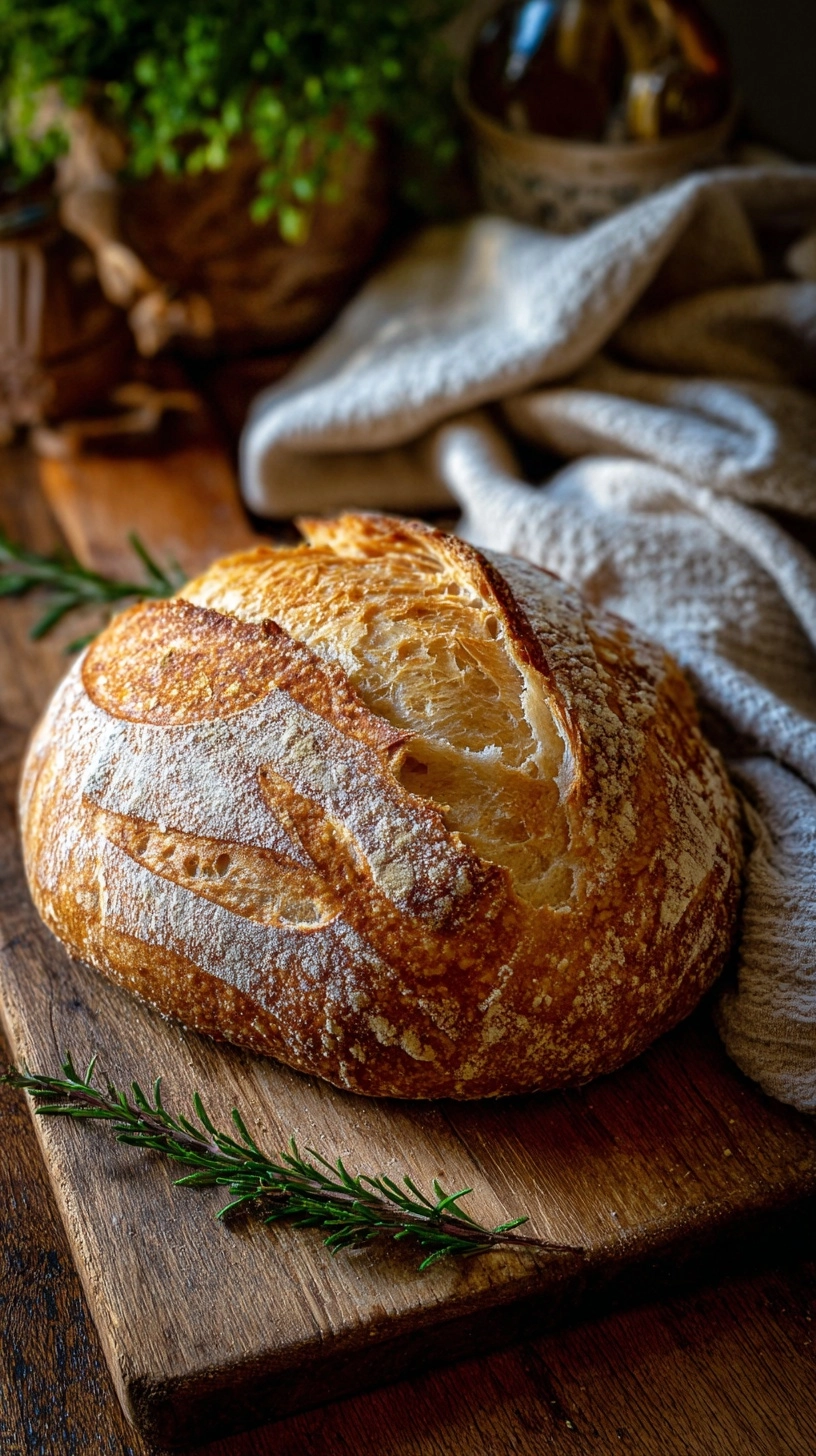
Transform this Quick Sourdough Discard French Bread into a more nutritious option by substituting up to 1 cup of the bread flour with whole wheat flour for added fiber and B-vitamins. Replace the sugar with honey or maple syrup (reduce water slightly) for natural sweeteners with trace minerals. For lower sodium content, reduce salt to 1 teaspoon and add herbs like rosemary or thyme for flavor complexity. Incorporating 2 tablespoons of ground flaxseed or chia seeds boosts omega-3 fatty acids and adds a subtle nutty flavor that complements the sourdough tang beautifully.
Serving Suggestions
This versatile Quick Sourdough Discard French Bread shines in numerous applications. Slice thick for robust sandwiches filled with roasted vegetables and hummus, or cut thin for elegant crostini topped with fresh tomato and basil. The bread’s sturdy crust makes it perfect for dipping into olive oil infused with garlic and herbs. Transform day-old slices into exceptional French toast or bread pudding, where the sourdough’s tang adds sophisticated depth. For dinner parties, serve warm slices alongside hearty soups or create an impressive bread bowl for serving dips and spreads.
Common Mistakes to Avoid
The most frequent error in making Quick Sourdough Discard French Bread involves using sourdough discard straight from the refrigerator – always bring it to room temperature first for even mixing. Over-flouring during kneading creates dense bread, so add flour sparingly. Insufficient kneading prevents proper gluten development, resulting in flat loaves that lack structure. Avoid placing dough in overly warm environments for rising, as temperatures above 85°F can kill the yeast. Finally, resist cutting into the bread immediately after baking – allow at least 15 minutes of cooling for the crumb to set properly and prevent gummy texture.
Storing Tips for the Recipe
Store your finished Quick Sourdough Discard French Bread in a paper bag at room temperature for up to 3 days to maintain crust crispness while preventing moisture buildup. For longer storage, slice and freeze portions in airtight containers for up to 3 months – toast frozen slices directly for convenience. The unbaked shaped loaves can be refrigerated for up to 24 hours for enhanced flavor development; simply allow extra rising time when cold. Leftover sourdough discard keeps refrigerated for up to one week or frozen for three months, making this recipe an excellent solution for discard management.
FAQs
Can I make this bread without a stand mixer? Absolutely! Hand kneading works perfectly and actually gives you better control over dough development. The process takes about 10 minutes of active kneading.
What if my sourdough discard is very thick or thin? Adjust the water content accordingly – thick discard may need an extra 2-3 tablespoons of water, while thin discard requires slightly less water for proper dough consistency.
Can I double this recipe? Yes, but mix in two separate bowls for easier handling. The timing remains the same, though you may need to rotate baking sheets halfway through for even browning.
Why did my bread turn out dense? Dense bread typically results from using cold discard, insufficient kneading, or expired yeast. Always test yeast viability by ensuring it foams properly during activation.
How do I know when the bread is fully baked? The crust should sound hollow when tapped on the bottom, and an instant-read thermometer should register 200°F when inserted into the center of the loaf.
Kitchen Mosaic Notes
Thanks for reading! Remember that nutritional values are approximate. For the best results, adapt this recipe to your specific dietary needs.