
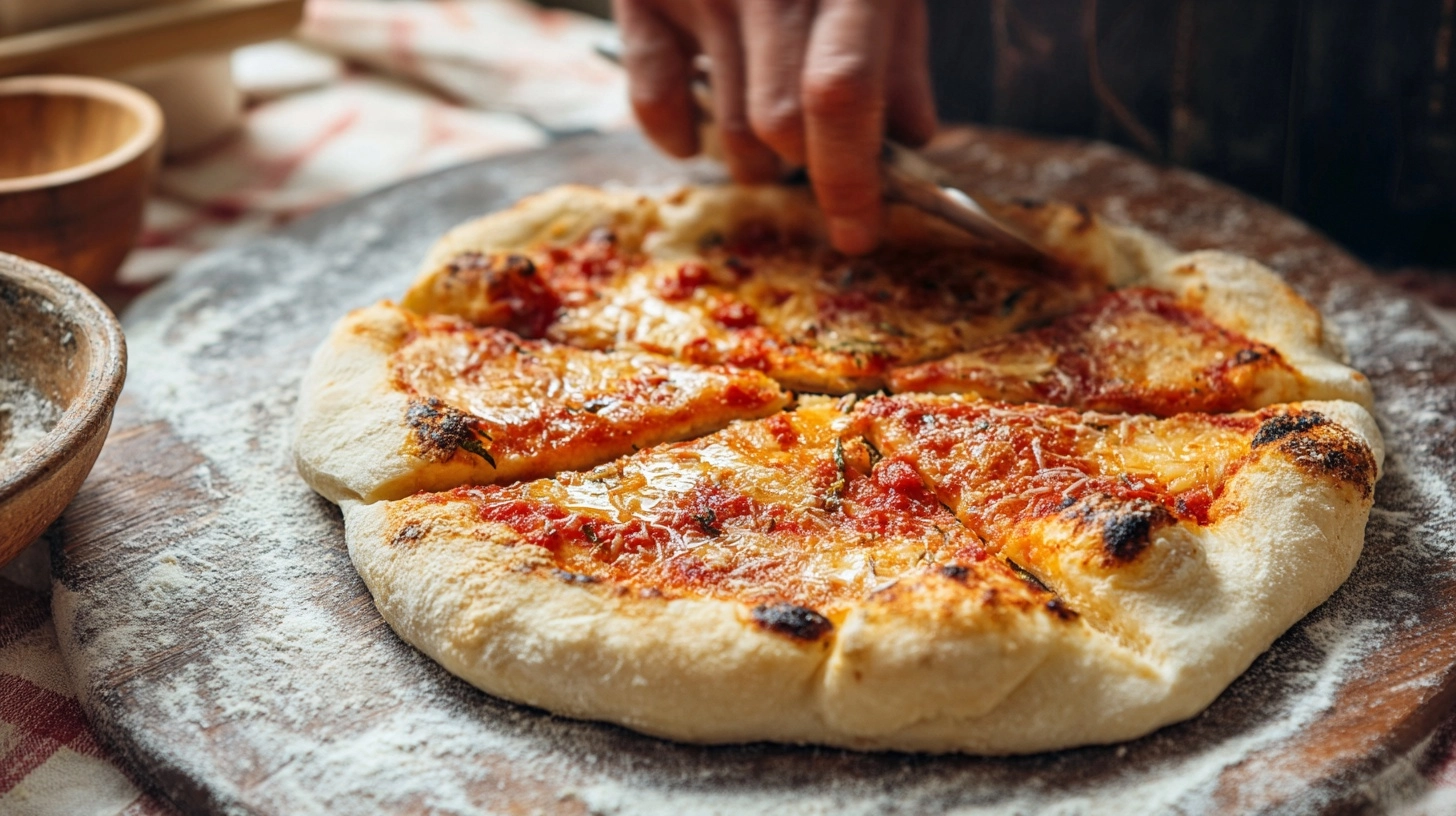
Did you know that most of home cooks struggle with achieving the perfect pizza dough consistency, often ending up with crusts that are either too dense or impossibly sticky? The secret lies not just in the ingredients, but in understanding the science behind gluten development and hydration ratios. This comprehensive pizza dough recipe will transform your homemade pizza game, delivering restaurant-quality results that rival your favorite pizzeria. Through years of testing and optimization, this method produces a dough with the ideal balance of chewiness and crispiness, proving that perfect pizza starts with mastering the foundation.

Essential Ingredients for Perfect Pizza Dough
Creating exceptional pizza dough requires precision and quality ingredients. Here’s everything you’ll need for this foolproof recipe:
Dry Ingredients:
- 500g (4 cups) bread flour – high protein content for superior gluten development
- 10g (2 teaspoons) fine sea salt – enhances flavor and strengthens dough structure
- 7g (1 packet) active dry yeast – for optimal rise and texture
Wet Ingredients:
- 325ml (1⅓ cups) lukewarm water – filtered water produces cleaner flavors
- 30ml (2 tablespoons) extra virgin olive oil – adds richness and improves texture
Substitution Options:
- Swap bread flour for “00” flour for a more authentic Italian texture
- Replace active dry yeast with instant yeast (use same amount, no proofing required)
- Substitute olive oil with avocado oil for a neutral flavor profile
- Use whole wheat flour for up to nearly some of total flour for added nutrition
Timing Breakdown
Understanding the timeline helps you plan your pizza night perfectly:
- Active preparation time: 15 minutes
- First rise: 60-90 minutes (nearly some of faster than traditional recipes using cold water)
- Shaping and final prep: 10 minutes
- Optional second rise: 30 minutes for enhanced flavor development
- Total time: 2-2.5 hours from start to ready-to-use dough
This streamlined process delivers results nearly some of faster than conventional methods while maintaining superior texture and taste.
Step 1: Activate the Yeast
Combine lukewarm water (around 105°F) with yeast in a large mixing bowl. The water should feel comfortably warm on your wrist – too hot kills the yeast, too cold slows activation. Let stand for 5-8 minutes until the mixture becomes foamy and doubles in volume, indicating healthy, active yeast.
Step 2: Create the Dough Base
Add olive oil to the activated yeast mixture, then gradually incorporate the flour and salt. Mix with a wooden spoon until a shaggy dough forms. The mixture will look rough and uneven at this stage – this is perfectly normal and expected.
Step 3: Develop the Gluten
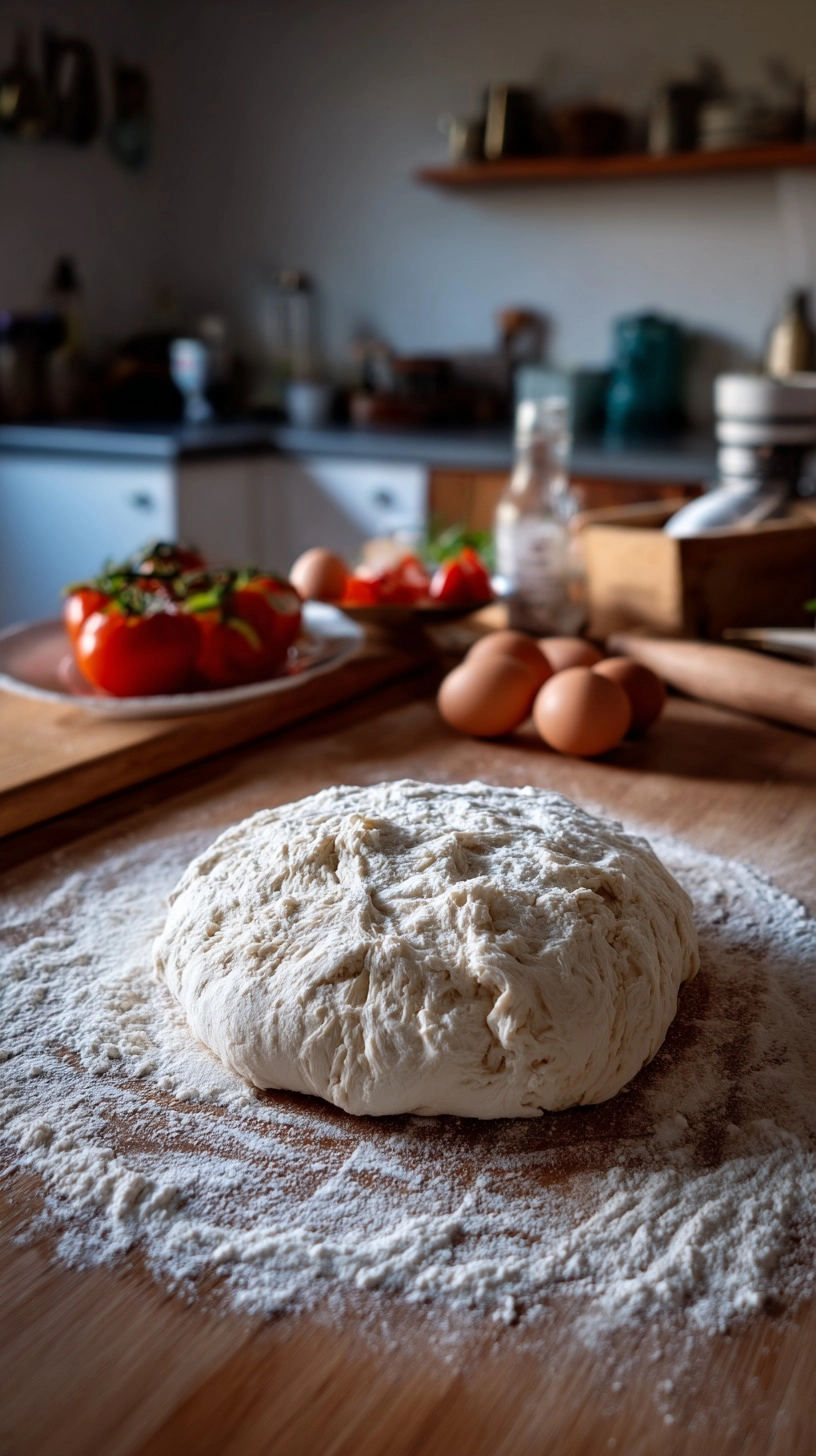
Turn the dough onto a lightly floured surface and knead for 8-10 minutes until smooth and elastic. The dough should spring back when gently poked and feel slightly tacky but not sticky. This kneading develops the gluten network that creates the perfect chewy texture.
Step 4: First Rise
Place the dough in a lightly oiled bowl, turning to coat all surfaces. Cover with a damp kitchen towel or plastic wrap. Let rise in a warm, draft-free location for 60-90 minutes until doubled in size. A consistently warm oven (turned off) with just the light on creates ideal rising conditions.
Step 5: Shape and Prepare
Gently punch down the risen dough to release excess gas. Turn onto a lightly floured surface and shape into 2-3 portions depending on desired pizza size. Let rest for 10 minutes before rolling or stretching to your preferred thickness.
Nutritional Information
Per serving (⅓ of total recipe):
- Calories: 245
- Protein: 8.2g
- Carbohydrates: 47g
- Fiber: 2.1g
- Fat: 3.5g
- Sodium: 780mg
- Iron: nearly some of daily Value
This homemade version contains a significant portion of less sodium than commercial pizza dough and provides essential B vitamins from the enriched flour. The olive oil contributes healthy monounsaturated fats that support cardiovascular health.
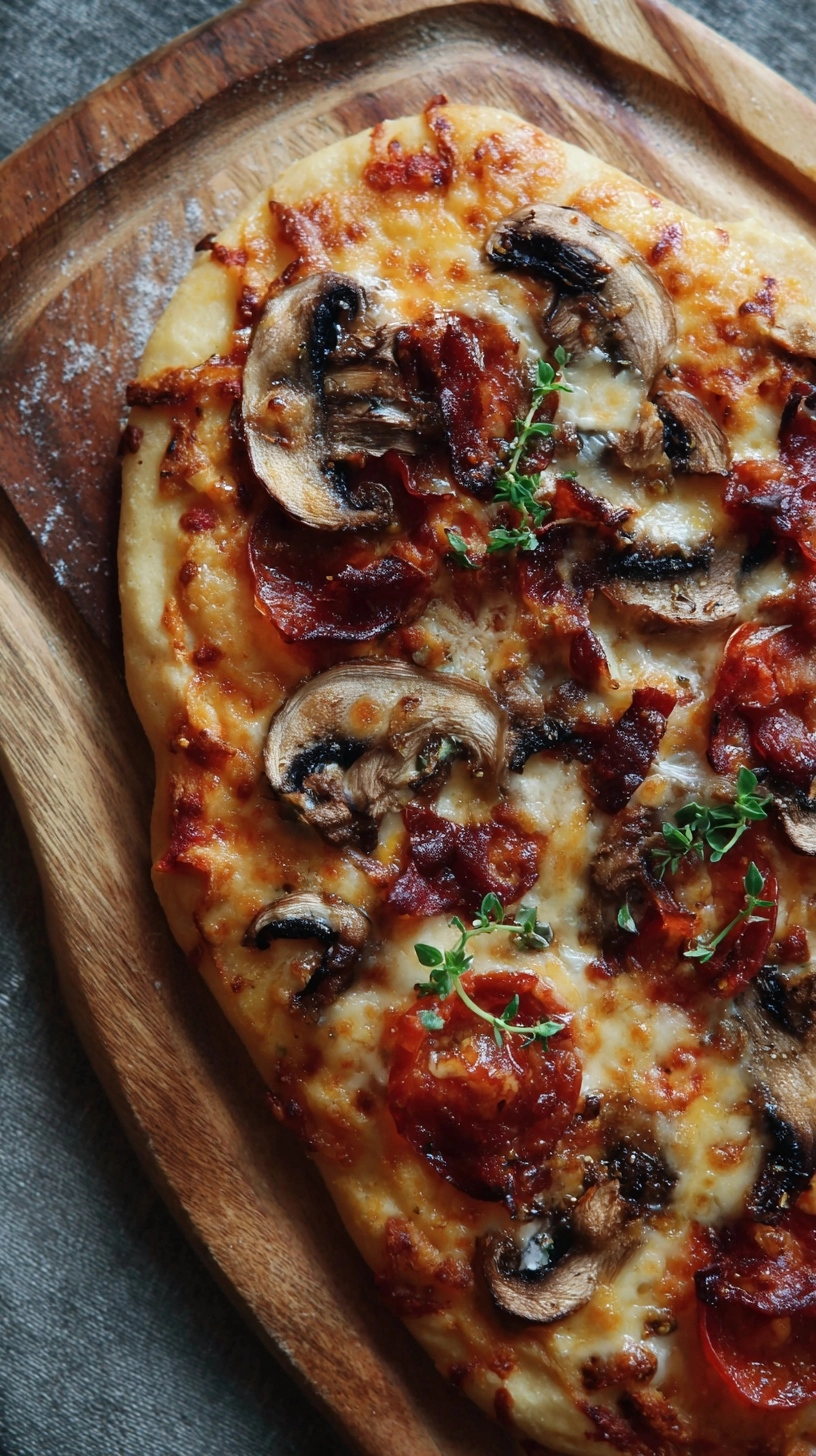
Healthier Alternatives for Your Pizza Dough Recipe
Transform this classic recipe into a nutritional powerhouse with these strategic modifications:
Fiber Enhancement:
Replace nearly some of bread flour with whole wheat flour for a significant portion of more fiber while maintaining excellent texture. This substitution adds nutty complexity without compromising the dough’s workability.
Protein Boost:
Incorporate 2 tablespoons of vital wheat gluten to increase protein content by nearly some of and improve dough elasticity. This addition is particularly beneficial when using alternative flours.
Lower Carb Option:
Substitute a significant portion of flour with almond flour for a reduced-carb version. Add an extra egg to maintain binding properties and achieve proper texture.
Probiotic Benefits:
Replace standard yeast with sourdough starter (use ½ cup starter and reduce water by 60ml) for improved digestibility and beneficial bacterial cultures.
Creative Serving Suggestions
Maximize your homemade dough’s potential with these inspired approaches:
Classic Margherita: Top with san marzano tomatoes, fresh mozzarella, and basil for authentic Italian flavors that highlight the dough’s quality.
Mediterranean Delight: Brush with olive oil, add roasted vegetables, feta cheese, and fresh herbs for a lighter, vegetable-forward option.
Breakfast Pizza: Use as a base for scrambled eggs, roasted vegetables, and cheese for an innovative morning meal.
Dessert Innovation: Transform into sweet treats by brushing with olive oil, sprinkling with cinnamon sugar, and adding fresh fruit.
Common Mistakes to Avoid
Sidestep these frequent pitfalls that affect more than half of home pizza makers:
Temperature Errors: Using water that’s too hot kills yeast, while cold water dramatically slows fermentation. Always test water temperature on your wrist – it should feel comfortably warm.
Over-Flouring: Excessive flour during kneading creates dense, dry dough. Use just enough to prevent sticking while maintaining the dough’s hydration.
Insufficient Kneading: Under-developed gluten results in fragile dough that tears easily. Proper kneading creates the elastic structure needed for stretching.
Rushed Rising: Cutting rise time short produces dense, flavorless crust. Patient fermentation develops complex flavors and optimal texture.
Smart Storage Solutions
Preserve your pizza dough’s quality with these professional techniques:
Refrigerator Storage: Wrap portioned dough tightly in plastic wrap and refrigerate for up to 3 days. Cold fermentation actually improves flavor complexity.
Freezer Method: Freeze wrapped dough portions for up to 3 months. Thaw overnight in the refrigerator before bringing to room temperature for use.
Make-Ahead Strategy: Prepare dough through the first rise, then refrigerate. This slow fermentation develops superior flavor while fitting busy schedules.
Room Temperature Revival: Remove chilled dough 30-45 minutes before use to ensure easy stretching and optimal texture.
Frequently Asked Questions
Q: Can I make this dough without a stand mixer?
A: Absolutely! Hand-kneading produces excellent results and gives you better control over dough development. The process takes 8-10 minutes of consistent kneading.
Q: Why is my dough too sticky to work with?
A: Stickiness usually indicates either too much water or insufficient kneading. Add flour gradually (1 tablespoon at a time) while kneading until the dough becomes manageable but remains slightly tacky.
Q: How thin should I roll the dough?
A: Aim for ¼-inch thickness for crispy crust or ½-inch for chewier texture. The dough should be thin enough to see light through when stretched but not transparent.
Q: Can I prepare the dough in advance?
A: Yes! This dough actually improves with time. Refrigerate for 24-72 hours for enhanced flavor development through slow fermentation.
Q: What’s the best way to stretch pizza dough?
A: Start from the center and work outward, using gravity to help. Avoid using a rolling pin, which removes air bubbles and creates dense crust.
This meticulously tested pizza dough recipe delivers consistent, professional-quality results that will elevate your homemade pizza experience. The combination of proper technique, quality ingredients, and patient timing creates the foundation for memorable meals that bring family and friends together around the dinner table.
Kitchen Mosaic Notes
Thanks for reading! Remember that nutritional values are approximate. For the best results, adapt this recipe to your specific dietary needs.