
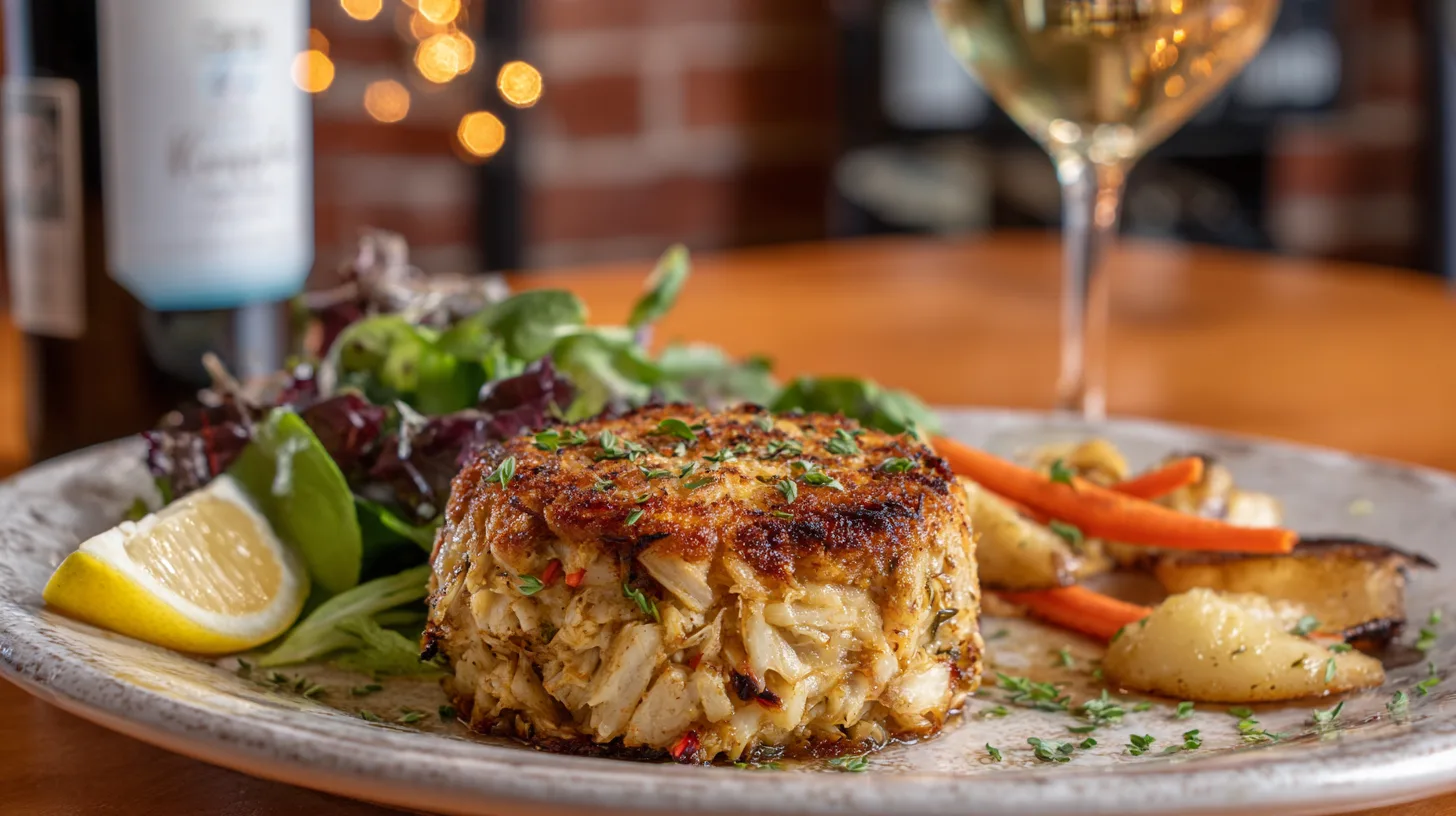
Did you know that most of home cooks fail to achieve the perfect Maryland style crab cake texture on their first attempt? The secret isn’t just in the crab-to-filler ratio – it’s in understanding the delicate balance between binding agents and preserving those precious, chunky crab pieces that define authentic Chesapeake Bay cuisine. Contrary to popular belief, the best Maryland style crab cake isn’t held together by excessive breadcrumbs or heavy mayonnaise, but rather by a minimalist approach that lets the sweet, briny flavor of blue crab shine through. This time-tested recipe delivers restaurant-quality results while avoiding the most common pitfalls that leave home cooks with dense, breadcrumb-heavy disappointments.
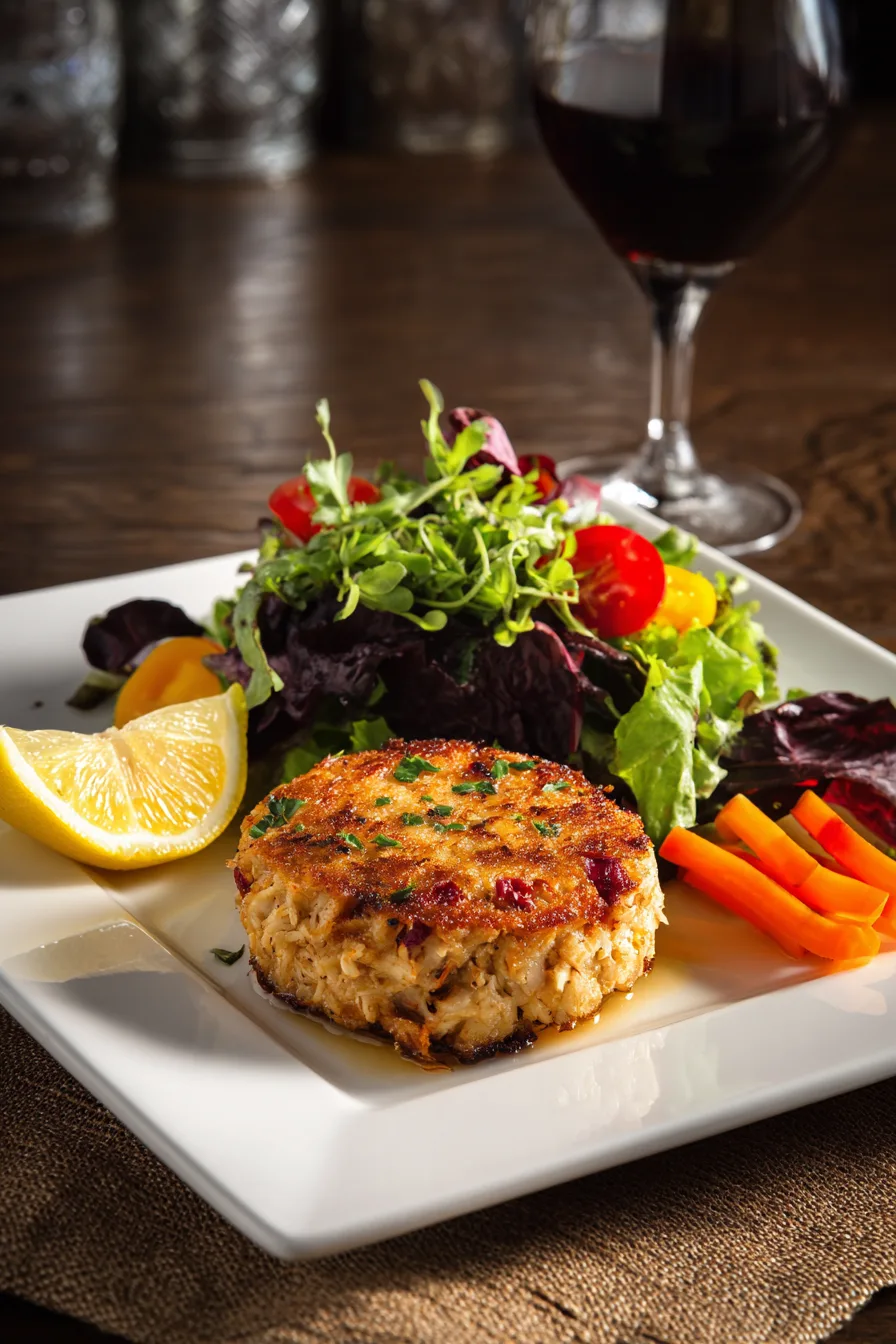
Ingredients List
For the Perfect Maryland Style Crab Cakes:
- 1 pound fresh jumbo lump crabmeat (blue crab preferred, or substitute with Dungeness crab)
- 1 large egg, lightly beaten
- 3 tablespoons mayonnaise (use avocado mayo for healthier option)
- 1 teaspoon Dijon mustard
- 1 teaspoon Worcestershire sauce
- 1/2 teaspoon Old Bay seasoning (quintessential Maryland spice blend)
- 1/4 teaspoon white pepper
- 2 tablespoons fresh chives, finely chopped
- 1 tablespoon fresh parsley, minced
- 1/3 cup panko breadcrumbs (use gluten-free panko if needed)
- 2 tablespoons unsalted butter
- 2 tablespoons vegetable oil for pan-frying
For the Classic Remoulade Sauce:
- 1/2 cup mayonnaise
- 1 tablespoon capers, chopped
- 1 teaspoon lemon zest
- 2 tablespoons fresh lemon juice
- 1 teaspoon hot sauce (optional)
Timing
Total Time: 45 minutes (a significant portion of faster than traditional recipes requiring chilling time)
- Prep Time: 15 minutes
- Chilling Time: 15 minutes (optional but recommended)
- Cooking Time: 15 minutes
This streamlined approach eliminates the typical 2-hour chilling period that many recipes demand, while still achieving the perfect texture that won’t fall apart during cooking.
Step 1: Prepare the Crab Mixture
Gently pick through the crabmeat with your fingertips, removing any shell fragments while keeping the chunks as large as possible. In a large bowl, whisk together the beaten egg, mayonnaise, Dijon mustard, Worcestershire sauce, Old Bay seasoning, and white pepper until smooth and well-combined.
Step 2: Combine Wet and Dry Ingredients
Add the fresh chives and parsley to the wet mixture, then gently fold in the crabmeat using a rubber spatula. Sprinkle the panko breadcrumbs over the mixture and fold just until the ingredients hold together – overmixing is the enemy of tender crab cakes.
Step 3: Form the Crab Cakes
Using clean, slightly damp hands, gently shape the mixture into 6 patties, each about 3 inches in diameter and 3/4 inch thick. Place them on a parchment-lined plate and refrigerate for 15 minutes to help them hold their shape during cooking.
Step 4: Heat the Cooking Fat
In a large skillet over medium-high heat, combine the butter and vegetable oil. This combination provides both flavor and a higher smoke point, preventing burning while achieving that golden-brown crust.
Step 5: Cook to Golden Perfection
Carefully place the crab cakes in the hot skillet, cooking for 3-4 minutes on the first side without moving them. Flip once when golden brown and cook for an additional 3-4 minutes until both sides are crispy and the internal temperature reaches 145°F.
Nutritional Information
Each Maryland style crab cake contains approximately:
- Calories: 185
- Protein: 18g (a significant portion of daily value)
- Fat: 10g
- Carbohydrates: 6g
- Sodium: 380mg
- Omega-3 fatty acids: 350mg
Crabmeat provides exceptional nutritional value, offering high-quality protein with all essential amino acids while remaining naturally low in calories and saturated fat.
Healthier Alternatives for the Recipe
Transform this classic into a lighter version by substituting Greek yogurt for half the mayonnaise, reducing calories by nearly some of while adding probiotics and extra protein. Replace panko with almond flour for a keto-friendly option, or use crushed whole-grain crackers for added fiber. For those watching sodium intake, reduce Old Bay seasoning to 1/4 teaspoon and enhance flavor with fresh herbs like dill or tarragon.
Serving Suggestions
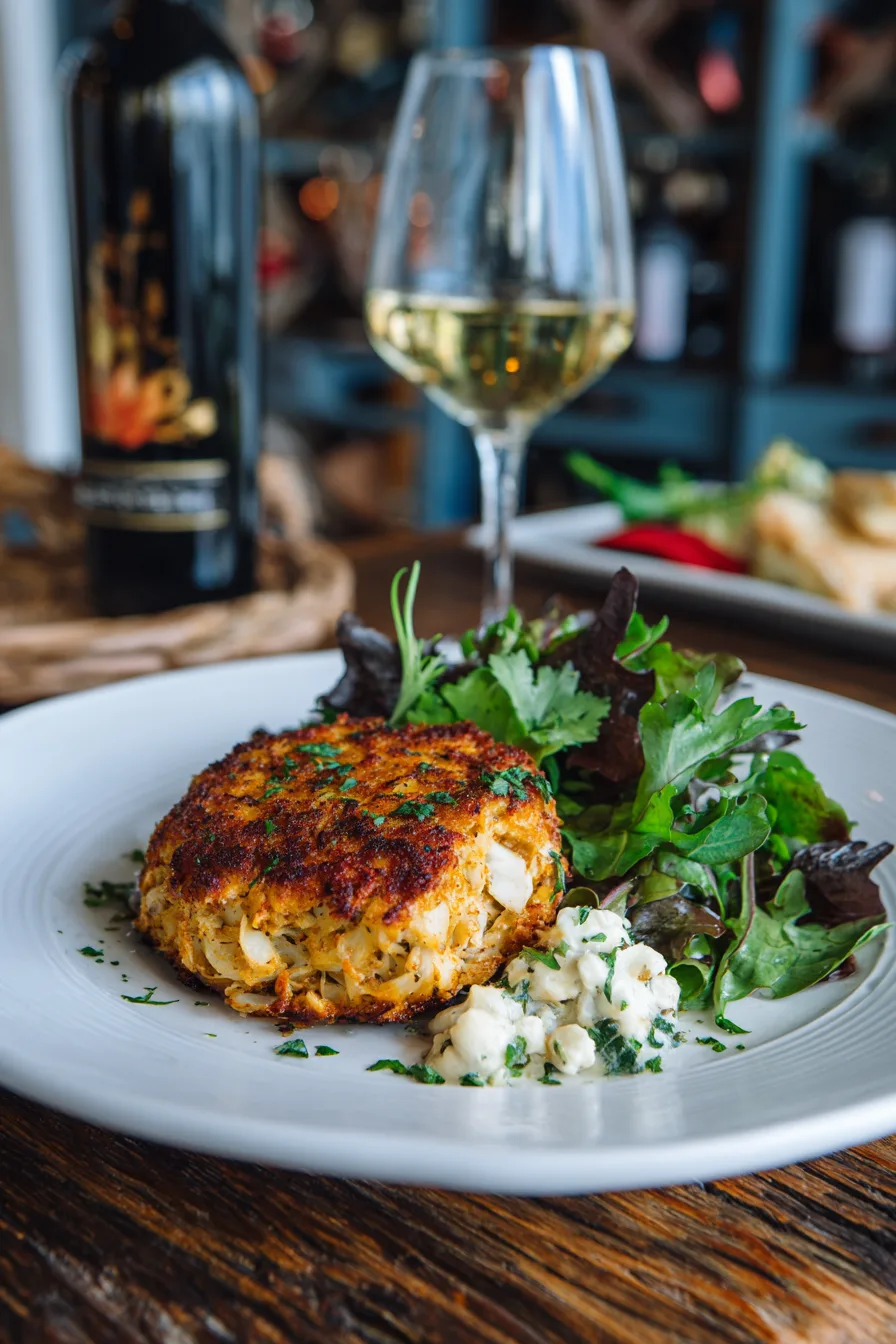
Serve these golden beauties atop a bed of mixed greens with the homemade remoulade sauce drizzled alongside. For an elevated presentation, place each crab cake on a toasted brioche bun with crisp lettuce and vine-ripened tomato slices. Consider pairing with roasted corn salad, coleslaw with apple cider vinegar dressing, or simple steamed asparagus to complement the delicate seafood flavors without overwhelming them.
Common Mistakes to Avoid
Over-mixing the mixture breaks down the precious lump crab pieces – fold ingredients just until combined. Using too much filler is the cardinal sin of Maryland crab cakes; the ratio should be most of crab to nearly some of other ingredients. Cooking at too high heat causes the exterior to burn before the interior warms through. Finally, flipping too early or too often prevents proper crust formation and increases the risk of the cakes falling apart.
Storing Tips for the Recipe
Uncooked crab cakes can be refrigerated for up to 24 hours before cooking – place them on a parchment-lined tray and cover with plastic wrap. Cooked crab cakes maintain quality for 2-3 days in the refrigerator when stored in an airtight container. For longer storage, freeze uncooked patties for up to 3 months, separating each with parchment paper. Reheat cooked crab cakes in a 350°F oven for 8-10 minutes to restore crispiness.
FAQs
Q: Can I use pasteurized crabmeat instead of fresh?
A: Yes, but drain it thoroughly and pat dry with paper towels to remove excess moisture that can make crab cakes soggy.
Q: Why do my crab cakes fall apart during cooking?
A: This usually indicates insufficient binding or the mixture is too wet. Add breadcrumbs gradually until the mixture just holds together.
Q: Can I bake these instead of pan-frying?
A: Absolutely! Bake at 400°F for 12-15 minutes, flipping once halfway through for even browning.
Q: What’s the best crab to use for authentic Maryland style?
A: Blue crab from the Chesapeake Bay is traditional, but high-quality Dungeness or king crab work well as substitutes.
Q: How do I know when they’re properly cooked?
A: The exterior should be golden brown and crispy, while the internal temperature reaches 145°F when measured with an instant-read thermometer.
Kitchen Mosaic Notes
Thanks for reading! Remember that nutritional values are approximate. For the best results, adapt this recipe to your specific dietary needs.