
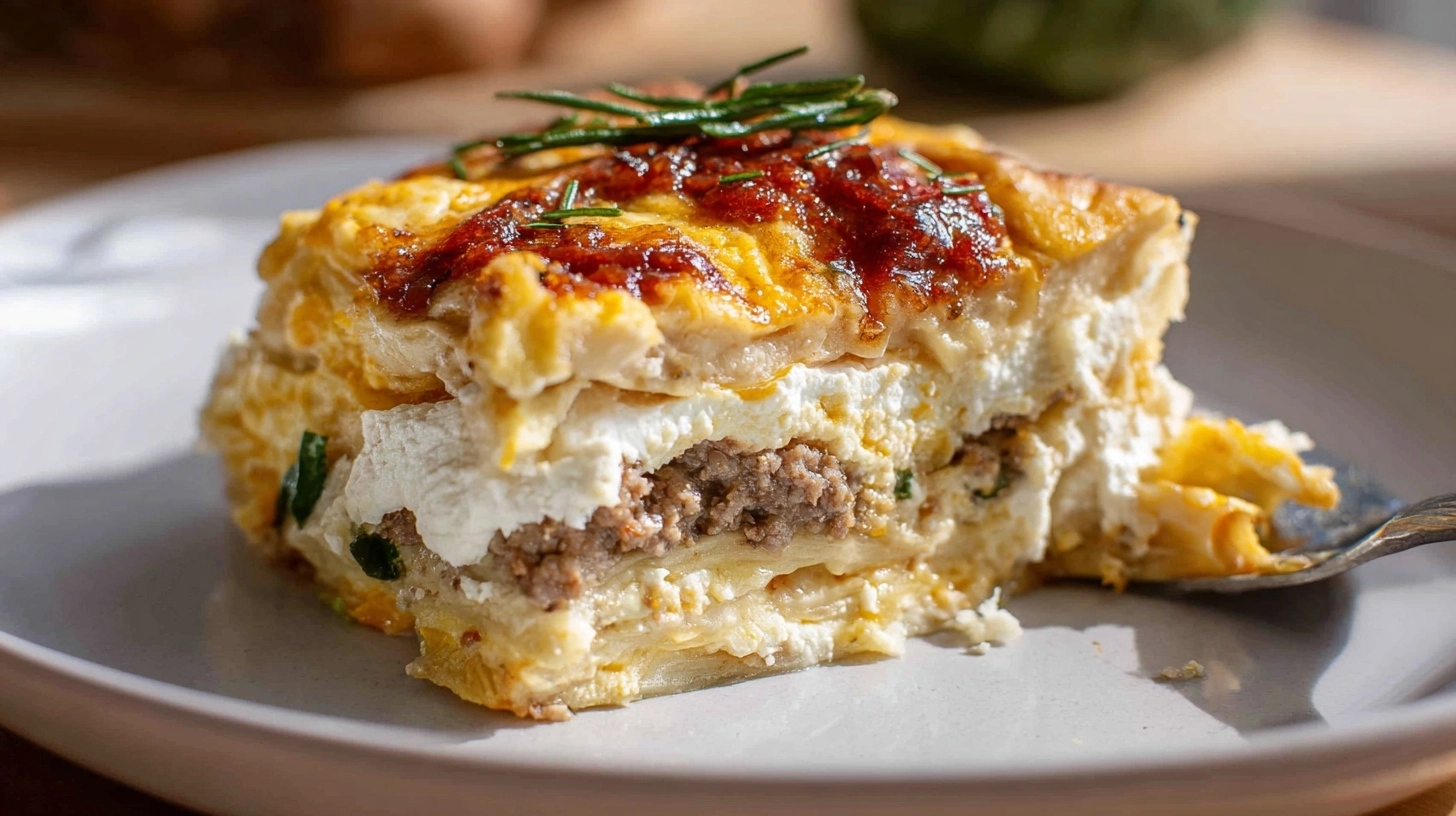
Did you know that most of home cooks struggle to achieve the perfect creamy texture in their homemade lasagna? The secret lies not in expensive ingredients or complex techniques, but in mastering the art of ricotta preparation and layering. While many believe that lasagna requires hours of tedious preparation, this lasagna recipe with ricotta transforms the traditional approach, delivering restaurant-quality results in just 90 minutes. By combining fresh ricotta with strategic seasoning and proper assembly techniques, you’ll create layers of indulgent comfort that rival any Italian grandmother’s cherished family recipe.
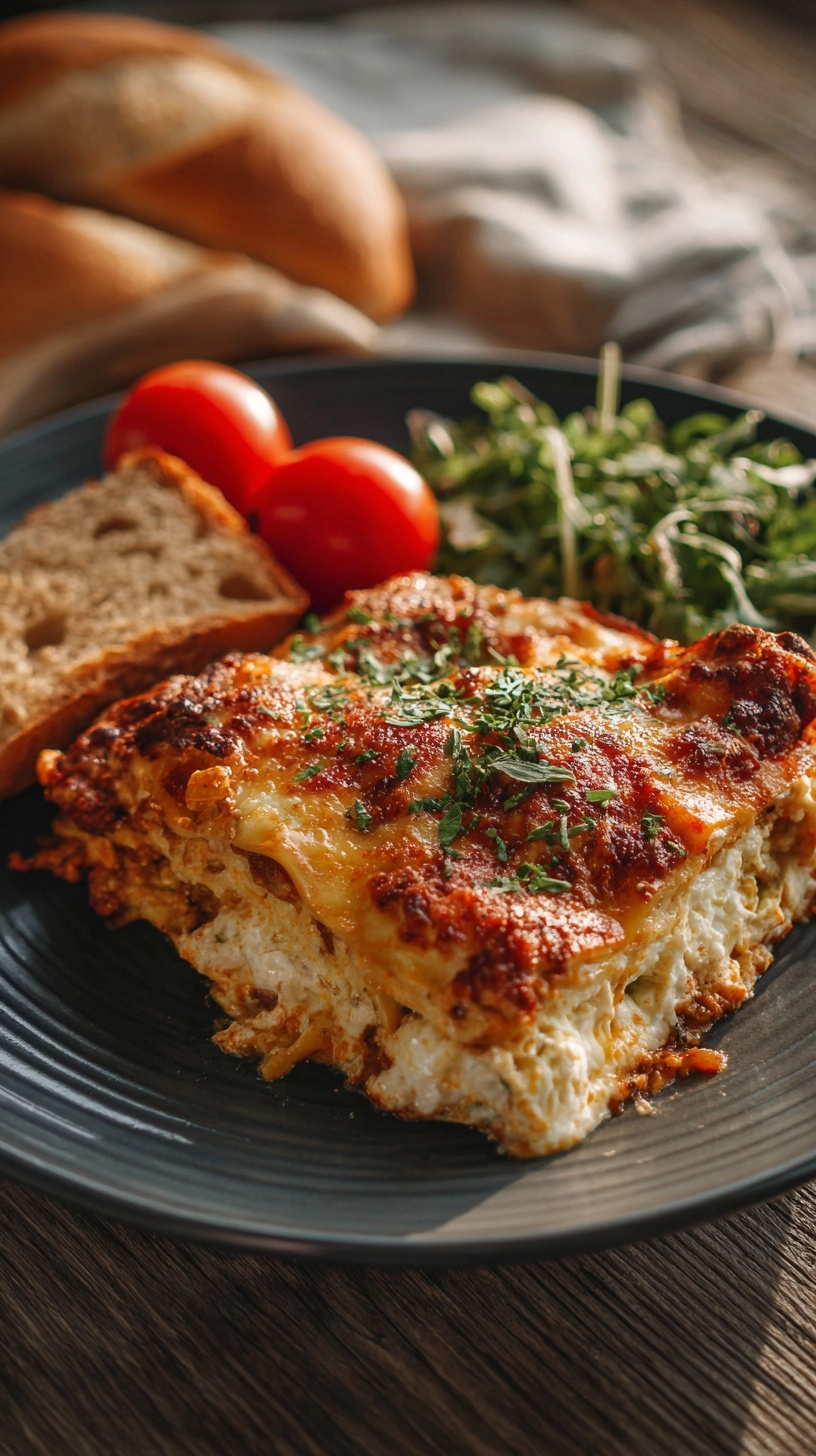
Essential Ingredients for the Perfect Ricotta Lasagna
Creating an exceptional lasagna recipe with ricotta starts with selecting premium ingredients that work harmoniously together:
For the Ricotta Mixture:
- 32 oz whole milk ricotta cheese (or substitute with cottage cheese blended until smooth)
- 2 large eggs, room temperature
- 1 cup freshly grated Parmesan cheese (Pecorino Romano works as a sharper alternative)
- 2 tablespoons fresh Italian parsley, finely chopped
- 1 teaspoon garlic powder
- ½ teaspoon freshly ground black pepper
- 1 teaspoon kosher salt
Additional Layers:
- 1 lb lasagna noodles (whole wheat or gluten-free options available)
- 4 cups marinara sauce (homemade or high-quality jarred)
- 1 lb ground Italian sausage or lean ground beef (plant-based alternatives work excellently)
- 3 cups shredded mozzarella cheese, divided
- 2 tablespoons olive oil
- 1 medium yellow onion, diced
- 3 cloves fresh garlic, minced
Aromatic Seasonings:
- 2 teaspoons dried oregano
- 1 teaspoon dried basil
- ½ teaspoon red pepper flakes (optional for heat)
Timing Breakdown for Optimal Results
This streamlined lasagna recipe with ricotta requires approximately 90 minutes total—that’s nearly some of faster than traditional methods while maintaining superior flavor development:
- Preparation Time: 30 minutes
- Active Cooking Time: 15 minutes
- Baking Time: 45 minutes
- Resting Period: 15 minutes (crucial for clean slicing)
- Total Investment: 1 hour 45 minutes
The key to efficiency lies in multitasking: while your noodles boil, prepare the ricotta mixture and brown the meat simultaneously.
Step 1: Prepare the Foundation
Preheat your oven to 375°F and bring a large pot of salted water to a rolling boil. Cook lasagna noodles according to package directions until al dente—they’ll continue cooking in the oven. Drain and lay flat on a clean kitchen towel to prevent sticking.
Step 2: Create the Signature Ricotta Blend
In a large mixing bowl, combine ricotta cheese, eggs, Parmesan, parsley, garlic powder, salt, and pepper. Mix thoroughly until the texture becomes smooth and creamy—this creates the luxurious foundation that sets this recipe apart from ordinary versions.
Step 3: Build Your Protein Base
Heat olive oil in a large skillet over medium-high heat. Sauté diced onion until translucent (approximately 4 minutes), then add minced garlic and cook for another minute. Add ground meat, breaking it apart with a wooden spoon, and cook until browned and no longer pink. Drain excess fat and stir in marinara sauce, oregano, basil, and red pepper flakes.
Step 4: Master the Layering Technique
Spread 1 cup of meat sauce across the bottom of a greased 9×13-inch baking dish. Layer one-third of the noodles, half the ricotta mixture, one-third of remaining meat sauce, and 1 cup mozzarella. Repeat layers, finishing with noodles, remaining sauce, and final cup of mozzarella.
Step 5: Achieve Perfect Doneness
Cover tightly with aluminum foil and bake for 25 minutes. Remove foil and continue baking for 20 minutes until cheese is golden and bubbling. The internal temperature should reach 165°F for food safety.
Comprehensive Nutritional Information
One generous serving of this lasagna recipe with ricotta (serves 12) provides:
- Calories: 425
- Protein: 28g (more than half of daily value)
- Carbohydrates: 32g
- Fat: 22g
- Fiber: 3g
- Calcium: 485mg (a significant portion of dv)
- Iron: 3.2mg (nearly some of dv)
- Sodium: 890mg
The ricotta contributes significant protein and calcium while keeping saturated fat moderate compared to cream-based alternatives.
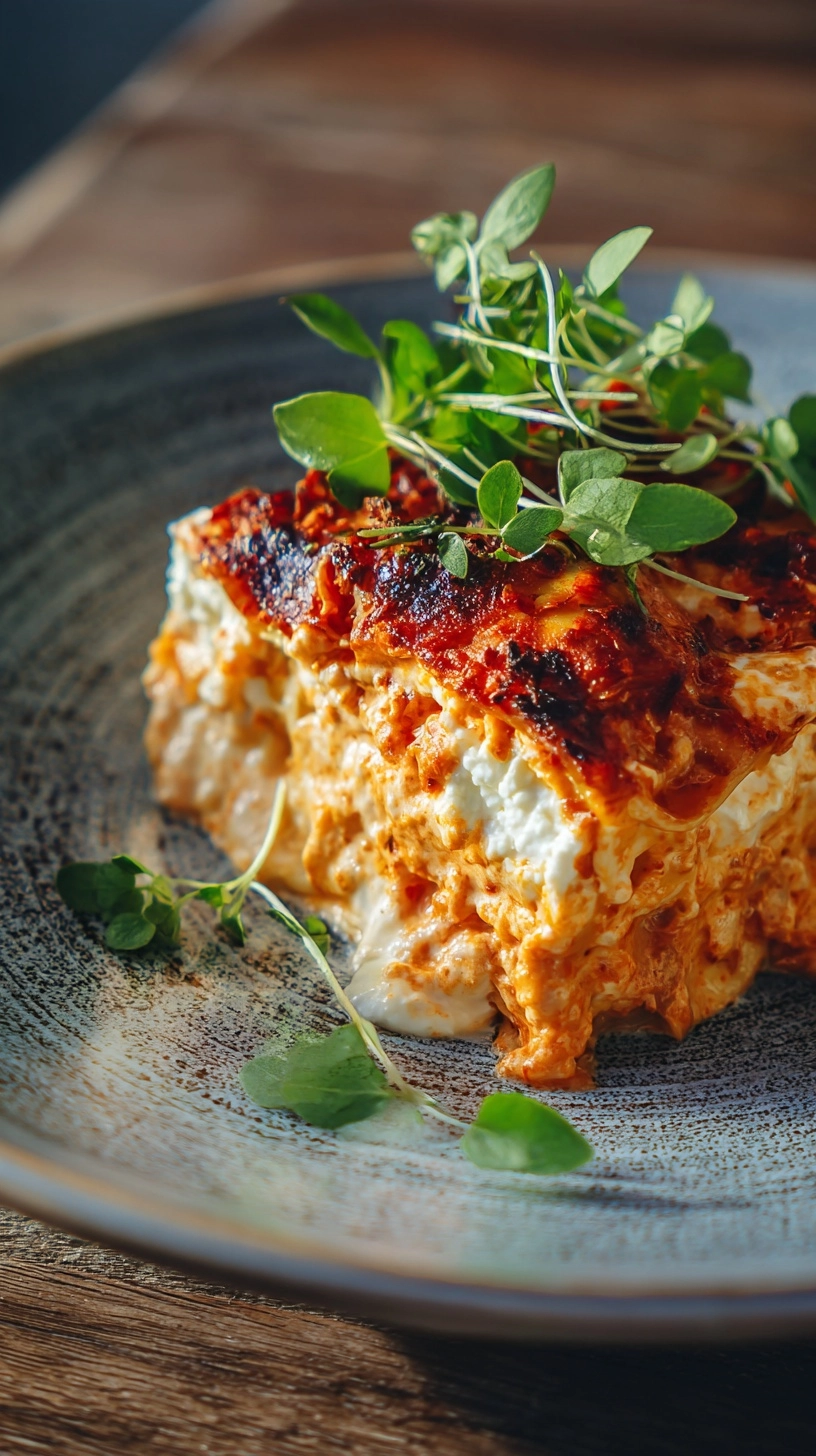
Healthier Alternatives for Nutritious Indulgence
Transform this lasagna recipe with ricotta into a lighter option without sacrificing flavor:
Protein Modifications:
- Replace half the ricotta with part-skim cottage cheese for nearly some of fewer calories
- Substitute ground turkey or chicken for beef to reduce saturated fat
- Add finely diced zucchini or mushrooms to stretch the meat while adding vegetables
Carbohydrate Swaps:
- Use zucchini slices or thinly sliced eggplant instead of pasta for a low-carb version
- Try whole grain or legume-based noodles for additional fiber and protein
Dairy Adjustments:
- Combine regular ricotta with Greek yogurt (3:1 ratio) for extra protein and probiotics
- Use part-skim mozzarella to reduce calories while maintaining that essential cheese pull
Creative Serving Suggestions
Elevate your lasagna recipe with ricotta presentation with these inspired accompaniments:
- Serve alongside a crisp arugula salad with lemon vinaigrette to cut through the richness
- Pair with garlic-roasted vegetables like broccoli or asparagus for nutritional balance
- Create individual portions in ramekins for elegant dinner party presentations
- Garnish with fresh basil leaves and a drizzle of high-quality olive oil
- Offer crusty Italian bread for those who appreciate traditional comfort
Common Mistakes to Avoid for Lasagna Success
Research shows these frequent errors plague more than half of home cooks attempting lasagna:
Moisture Management: Never skip draining ricotta in a fine-mesh strainer for 30 minutes—excess moisture creates soggy results.
Underseasoning: Taste your ricotta mixture before assembly; it should be well-seasoned since cheese absorbs flavors during baking.
Impatient Assembly: Allow each component to cool slightly before layering to prevent melting and sliding.
Skipping Rest Time: Let lasagna rest 15 minutes after baking—this allows layers to set for clean, Instagram-worthy slices.
Smart Storing Tips for Maximum Freshness
Proper storage extends your lasagna recipe with ricotta enjoyment for days:
Refrigeration: Cover tightly and refrigerate up to 4 days. Reheat individual portions in the microwave or entire pan in a 350°F oven.
Freezing Strategy: Wrap completely cooled lasagna in plastic wrap, then aluminum foil. Freeze up to 3 months. Thaw overnight in refrigerator before reheating.
Make-Ahead Option: Assemble completely but don’t bake. Cover and refrigerate up to 24 hours, then bake as directed, adding 10 extra minutes to account for cold start temperature.
Frequently Asked Questions
Q: Can I make this lasagna recipe with ricotta ahead of time?
A: Absolutely! Assemble the entire dish up to 24 hours in advance, cover tightly, and refrigerate. Add 10-15 minutes to the baking time since you’re starting from a cold temperature.
Q: What’s the best way to prevent watery lasagna?
A: Drain your ricotta in a fine-mesh strainer for 30 minutes, ensure meat sauce isn’t too thin, and don’t skip the 15-minute resting period after baking.
Q: Can I substitute different cheeses in this recipe?
A: Yes! Try mascarpone for ultra-richness, or blend ricotta with goat cheese for tangy complexity. Maintain the same total volume for best results.
Q: How do I know when my lasagna is fully cooked?
A: The internal temperature should reach 165°F, the cheese should be golden and bubbling, and a knife inserted in the center should meet little resistance.
Q: Is it possible to make this recipe vegetarian?
A: Definitely! Replace the meat with sautéed mushrooms, diced vegetables, or plant-based ground meat alternatives. The cooking method remains identical.
Kitchen Mosaic Notes
Thanks for reading! Remember that nutritional values are approximate. For the best results, adapt this recipe to your specific dietary needs.