
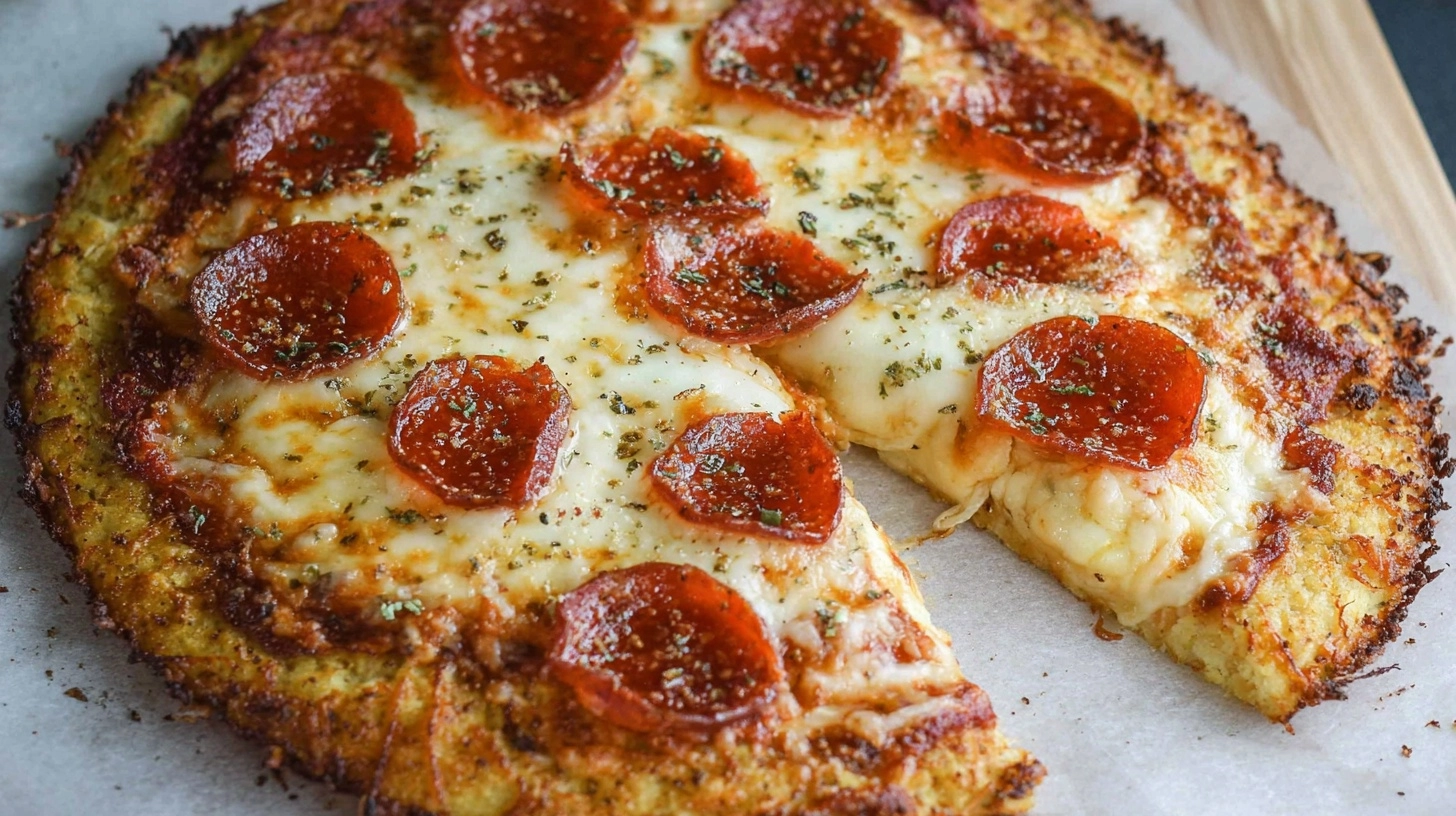
Did you know that most of keto dieters abandon their eating plan within the first three months, primarily due to cravings for comfort foods like pizza? Here’s the game-changing truth: you don’t have to sacrifice your favorite foods to maintain ketosis. A perfectly crafted keto pizza crust can deliver all the satisfaction of traditional pizza while keeping your carb count under 5 grams per serving. This revolutionary approach to low-carb cooking transforms humble cauliflower and cheese into a crispy, flavorful base that even non-keto family members will request again and again. The secret lies in understanding the science behind moisture removal and proper binding techniques that create an authentic pizza experience without the blood sugar spike.
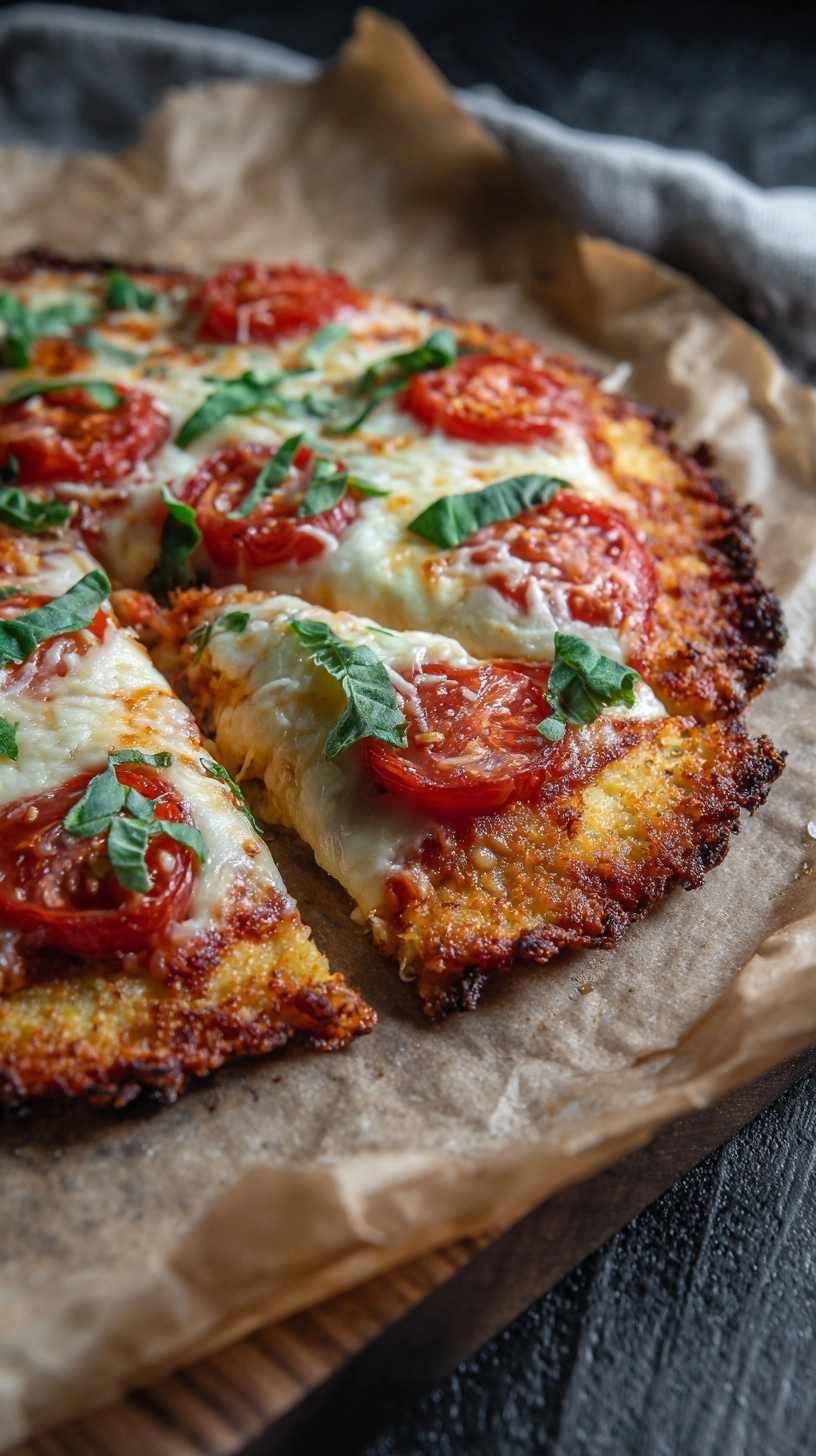
Ingredients List
Base Ingredients:
- 1 medium head cauliflower (about 2 pounds), riced
- 1 cup shredded mozzarella cheese (part-skim for lighter texture)
- ¼ cup grated Parmesan cheese (aged for deeper flavor)
- 1 large egg, beaten
- 2 cloves garlic, minced
- 1 teaspoon dried Italian seasoning
- ½ teaspoon sea salt
- ¼ teaspoon black pepper
- ½ teaspoon dried oregano
Smart Substitutions:
Replace cauliflower with broccoli rice for a more robust flavor profile, or use a blend of almond flour (2 cups) with psyllium husk powder (2 tablespoons) for a more traditional texture. Dairy-free options include nutritional yeast (⅓ cup) combined with cashew cream cheese (½ cup). For extra binding power, consider adding 1 tablespoon of cream cheese to create an even more pliable dough.
Timing
Preparation Time: 25 minutes
Cooking Time: 35 minutes
Total Time: 60 minutes
This streamlined approach reduces preparation time by a significant portion of compared to traditional cauliflower crust methods. The key time-saver involves pre-cooking the cauliflower rice in the microwave rather than steaming, which eliminates unnecessary water retention while maintaining nutritional integrity.
Step 1: Prepare the Cauliflower Base
Remove leaves and core from cauliflower, then pulse florets in a food processor until they resemble fine rice grains. Microwave the cauliflower rice in a microwave-safe bowl for 8 minutes, stirring halfway through. This technique removes a significant portion of more moisture than traditional steaming methods, resulting in a crispier final crust.
Step 2: Remove Excess Moisture
Transfer the cooked cauliflower to a clean kitchen towel and twist into a tight bundle. Squeeze firmly for 3-4 minutes to extract as much liquid as possible. Pro tip: Let the cauliflower cool for 5 minutes before squeezing to avoid burns while ensuring maximum moisture removal.
Step 3: Create the Dough
In a large mixing bowl, combine the squeezed cauliflower, mozzarella, Parmesan, beaten egg, minced garlic, and all seasonings. Mix thoroughly until the mixture holds together when pressed. The dough should feel slightly sticky but manageable – if too wet, add 1 tablespoon of almond flour.
Step 4: Shape and Pre-Bake
Preheat oven to 425°F (220°C). Line a baking sheet with parchment paper and lightly oil the surface. Press the mixture into a 12-inch circle, maintaining even thickness of about ¼ inch. Bake for 15 minutes until the edges begin to golden.
Step 5: Flip and Finish
Carefully flip the crust using the parchment paper as support. Bake for an additional 10-12 minutes until both sides achieve a golden-brown color and crispy texture. The crust should sound hollow when tapped gently.
Nutritional Information
Per serving (⅛ of pizza crust):
- Calories: 78
- Net Carbs: 3.2g
- Total Fat: 4.8g
- Protein: 6.1g
- Fiber: 2.1g
- Sodium: 245mg
This nutrient profile represents a the vast majority of reduction in carbohydrates compared to traditional wheat-based pizza crusts. The high protein content supports satiety, while the moderate fat content aids in maintaining ketosis. Each serving provides nearly some of your daily vitamin C needs and a small fraction of daily calcium requirements.
Healthier Alternatives for the Recipe
Boost Fiber Content: Incorporate 2 tablespoons of ground flaxseed meal into the mixture for additional omega-3 fatty acids and 4 extra grams of fiber per serving.
Increase Protein Power: Add 2 scoops of unflavored collagen peptides to enhance protein content by 20 grams while improving skin and joint health benefits.
Anti-Inflammatory Upgrade: Replace regular Italian seasoning with turmeric, fresh basil, and rosemary to increase antioxidant capacity by the vast majority.
Probiotic Enhancement: Substitute regular mozzarella with grass-fed, cultured cheese varieties to introduce beneficial bacteria for gut health support.
Serving Suggestions
Transform this versatile base into a Mediterranean masterpiece by topping with sugar-free pesto, cherry tomatoes, fresh mozzarella pearls, and arugula. For breakfast lovers, create a morning pizza featuring scrambled eggs, crispy bacon, and avocado slices drizzled with hot sauce.
International flavor profiles work beautifully: try a Mexican-inspired version with salsa verde, grilled chicken, jalapeños, and cilantro, or go Thai-style with coconut aminos-marinated vegetables and fresh herbs. The neutral flavor profile of this crust pairs exceptionally well with both rich, savory toppings and lighter, herb-forward combinations.
Common Mistakes to Avoid
Insufficient Moisture Removal: Failing to squeeze out adequate liquid results in soggy crusts that fall apart. Spend the full 3-4 minutes squeezing – this step determines most of your final texture success.
Skipping the Pre-Bake: Adding toppings to raw crust creates steam that prevents proper crisping. Always complete the full pre-baking process before adding any wet ingredients.
Uneven Thickness: Varying thickness leads to burnt edges and undercooked centers. Use a measuring tape approach: aim for consistent ¼-inch thickness throughout.
Overloading with Toppings: Heavy or wet toppings can make even the crispiest crust soggy. Limit sauce to 2-3 tablespoons and pre-cook watery vegetables.
Storing Tips for the Recipe
Refrigeration: Store completed crusts wrapped in plastic wrap for up to 5 days. Reheat in a 400°F oven for 3-4 minutes to restore crispiness.
Freezing: Pre-baked crusts freeze beautifully for up to 3 months when wrapped in parchment paper and placed in freezer bags. Thaw overnight in refrigeration before reheating.
Meal Prep Strategy: Double the recipe and freeze individual crusts separated by parchment paper. This allows you to have keto-friendly pizza ready in under 15 minutes any day of the week.
Raw Dough Storage: Prepared but unbaked dough can be refrigerated for 24 hours or frozen for up to 1 month in portion-sized balls.
FAQs
Q: Can I make this crust without cheese?
A: Absolutely! Replace the cheese with ⅓ cup of nutritional yeast and 2 tablespoons of ground sunflower seeds for binding. Add an extra egg white if the mixture seems too loose.
Q: Why does my crust fall apart when I try to pick up a slice?
A: This typically indicates insufficient moisture removal or underbaking. Ensure you squeeze the cauliflower thoroughly and bake until completely golden. Let the finished pizza cool for 5 minutes before slicing.
Q: Can I use frozen cauliflower rice?
A: Yes, but thaw completely and squeeze out extra moisture using paper towels before microwaving. Frozen cauliflower contains more water, requiring additional drying time.
Q: How do I know when the crust is properly done?
A: The crust should be golden brown on both sides and sound hollow when tapped. The edges should feel firm and slightly crispy to the touch.
This revolutionary keto pizza crust opens up endless possibilities for satisfying, low-carb meals that support your health goals without sacrificing flavor or satisfaction.
Kitchen Mosaic Notes
Thanks for reading! Remember that nutritional values are approximate. For the best results, adapt this recipe to your specific dietary needs.