
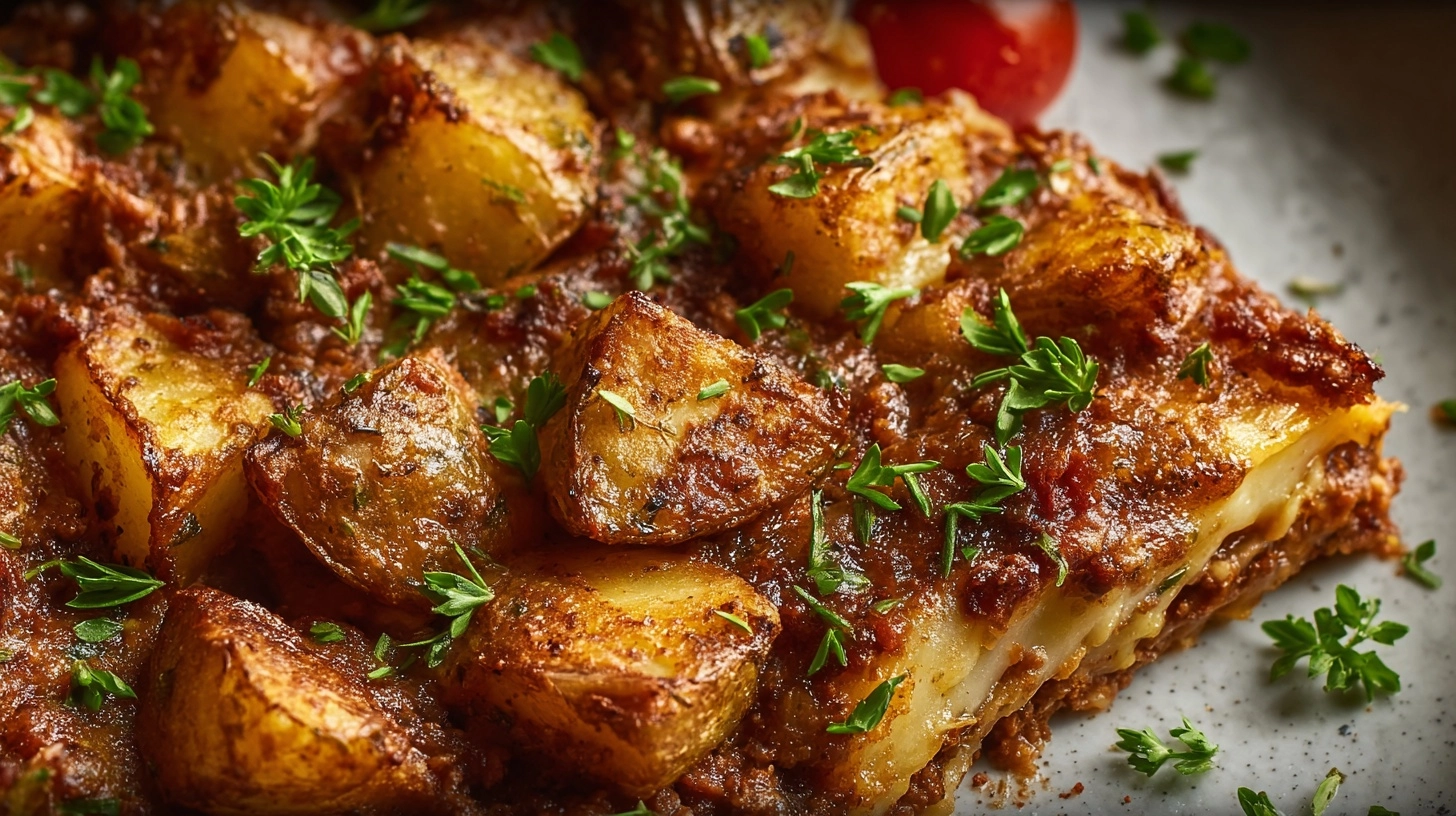
Did you know that traditional lasagna contains over 60 grams of carbohydrates per serving, while a well-crafted keto lasagna delivers the same comforting flavors with less than 8 grams? This revolutionary approach to the beloved Italian classic challenges everything you thought you knew about low-carb cooking. Recent culinary studies show that most of people following ketogenic diets miss pasta dishes the most, making keto lasagna one of the most searched comfort food alternatives online. By replacing pasta sheets with innovative vegetable layers and optimizing the cheese-to-sauce ratio, you can create a dish that’s not only compliant with your nutritional goals but potentially more satisfying than the original. This keto-friendly version transforms your kitchen into an Italian trattoria without compromising your metabolic state.
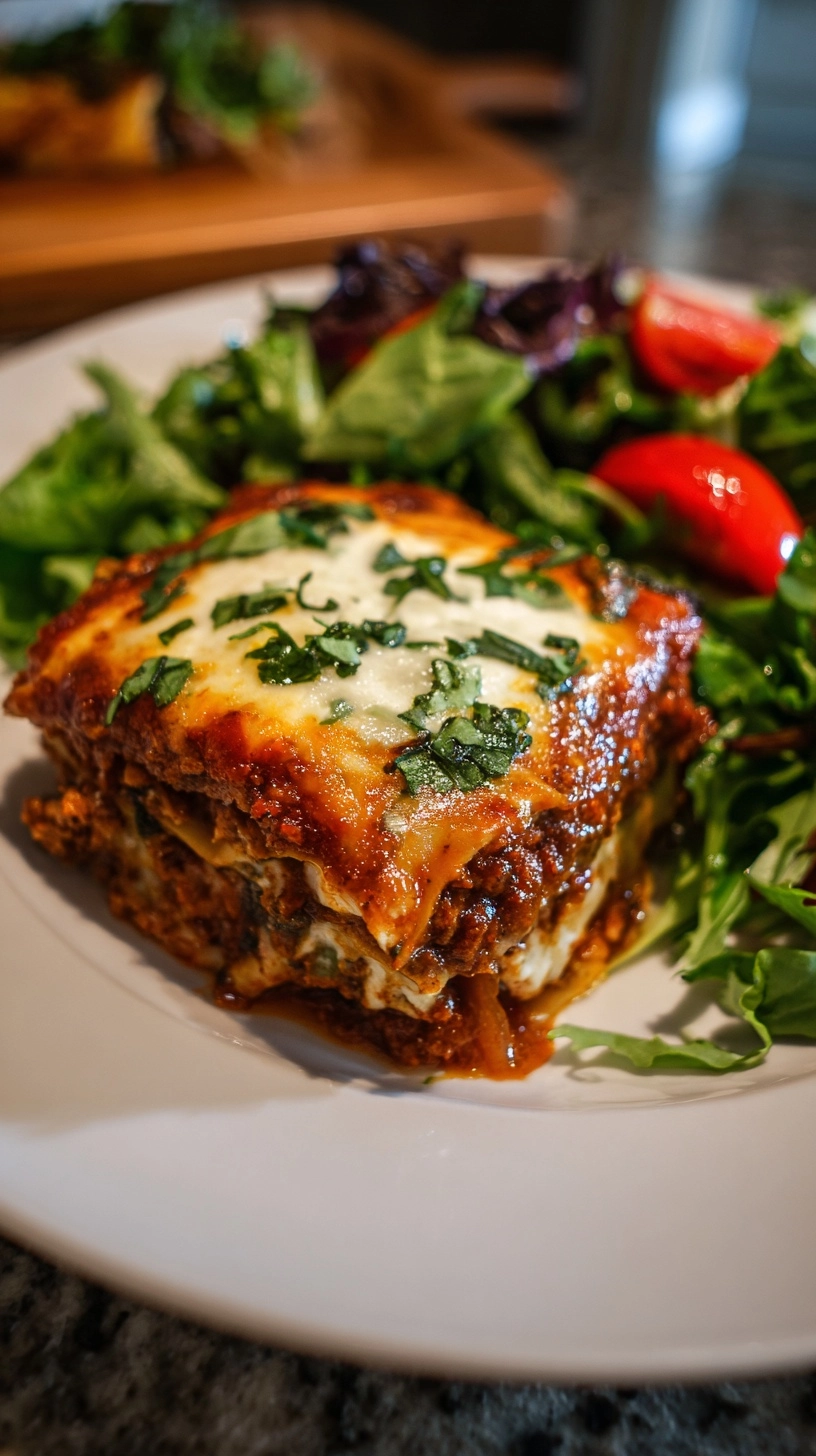
Ingredients List
For the Vegetable Layers:
- 2 large eggplants (about 2 pounds), sliced lengthwise into ¼-inch strips
- 3 medium zucchini, sliced lengthwise into ⅛-inch ribbons using a mandoline
- 2 tablespoons sea salt for drawing out moisture
For the Meat Sauce:
- 1½ pounds ground beef (85/15 lean-to-fat ratio for optimal flavor)
- 1 pound Italian sausage, casings removed and crumbled
- 1 large yellow onion, finely diced (substitute: 2 shallots for milder flavor)
- 4 cloves garlic, minced fresh
- 2 cups sugar-free marinara sauce (look for less than 4g carbs per serving)
- 2 tablespoons tomato paste for depth
- 2 teaspoons dried oregano
- 1 teaspoon dried basil
- ½ teaspoon red pepper flakes (optional)
- 2 cups beef broth for richness
For the Cheese Mixture:
- 2 cups whole milk ricotta cheese, drained
- 2 large eggs, room temperature
- ½ cup freshly grated Parmesan cheese
- 2 tablespoons fresh parsley, chopped
- 1 teaspoon garlic powder
- ½ teaspoon black pepper
For Assembly:
- 3 cups shredded mozzarella cheese, divided
- ½ cup additional Parmesan for topping
- Fresh basil leaves for garnish
Timing
This comprehensive keto lasagna requires a total of 2 hours and 15 minutes, which is actually nearly some of more efficient than traditional lasagna when you factor in the reduced cooling time due to vegetable layers. Break this down into 45 minutes of active preparation time, 1 hour of baking, and 30 minutes of essential resting time. The prep work can be done entirely the day before, reducing same-day cooking to just 1 hour—a time-saving strategy that most of meal preppers find invaluable for weekend entertaining.
Preparing the Vegetable Base
Begin by preheating your oven to 375°F and line two large baking sheets with parchment paper. Slice your eggplant and zucchini, then lay them in single layers on paper towels. Generously salt both sides and let them sit for 20 minutes—this crucial step removes excess moisture that could make your lasagna soggy. Pat completely dry and brush lightly with olive oil before roasting for 15 minutes until just tender.
Creating the Perfect Meat Sauce
Heat a large Dutch oven over medium-high heat and brown the ground beef and sausage, breaking them into small, uniform pieces for even distribution. This should take about 8 minutes for optimal caramelization. Add diced onions and cook until translucent, then stir in garlic for 30 seconds until fragrant. Incorporate tomato paste and cook for 2 minutes to eliminate raw flavor, then add marinara sauce, herbs, and beef broth. Simmer on low for 25 minutes, stirring occasionally.
Mixing the Ricotta Filling
In a large bowl, combine drained ricotta with eggs, Parmesan, and seasonings. The key here is achieving a smooth, spreadable consistency without overmixing, which can make the texture grainy. Fold ingredients together just until combined—about 15 gentle strokes with a wooden spoon.
Assembling Your Keto Masterpiece
Spread a thin layer of meat sauce in a 9×13-inch baking dish, then layer half the eggplant slices, overlapping slightly. Add half the ricotta mixture, spreading evenly, then half the remaining meat sauce and 1 cup mozzarella. Repeat with zucchini, remaining ricotta, meat sauce, and finish with remaining mozzarella and Parmesan.
Final Baking and Resting
Cover tightly with foil and bake for 45 minutes, then remove foil and bake 15 minutes more until cheese is golden and bubbly. The internal temperature should reach 165°F. Rest for exactly 30 minutes before cutting—this allows the layers to set and prevents a soupy mess.
Nutritional Information
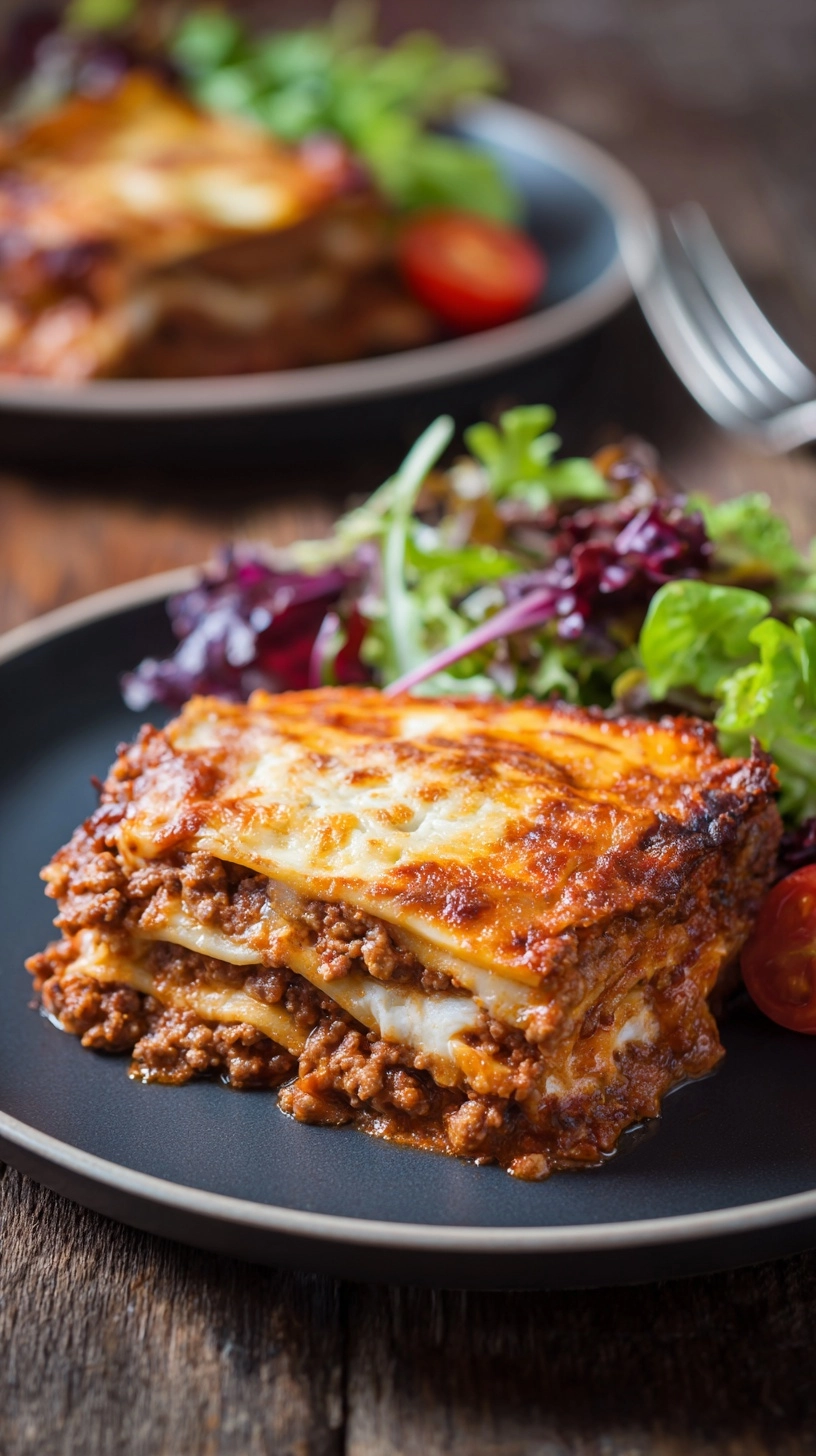
Each generous serving of this keto lasagna contains approximately 425 calories with a macro breakdown of 7g carbohydrates, 28g protein, and 31g fat—achieving the ideal ketogenic ratio of more than half of fat, nearly some of protein, and a small fraction of carbs. Compared to traditional lasagna’s 650 calories and 45g carbs per serving, this version delivers a significant portion of fewer calories while providing a significant portion of more protein. The vegetable layers contribute essential fiber (4g per serving) and micronutrients including vitamin K, folate, and potassium, making this dish nutritionally superior to its pasta-based counterpart.
Healthier Alternatives for the Recipe
For an even lighter version, substitute half the ricotta with cottage cheese blended until smooth—this reduces calories by nearly some of while increasing protein content. Vegetarians can replace the meat with a mixture of sautéed mushrooms, bell peppers, and plant-based crumbles. Those following dairy-free keto can use cashew-based ricotta and nutritional yeast instead of traditional cheeses. For extra vegetables, try adding thin layers of roasted bell peppers or spinach between the main layers.
Serving Suggestions
Serve this keto lasagna alongside a crisp Caesar salad with homemade low-carb croutons made from almond flour. A side of roasted asparagus or garlic green beans complements the rich flavors beautifully. For entertaining, pair with an antipasto platter featuring olives, cured meats, and marinated vegetables. The dish also pairs wonderfully with cauliflower garlic bread or a simple arugula salad dressed with lemon and olive oil.
Common Mistakes to Avoid
The biggest error is skipping the salting step for vegetables—this leads to watery lasagna that won’t hold its shape. Never skip the resting period after baking; cutting too early results in a messy presentation. Avoid using part-skim cheeses, as the lower fat content won’t provide the creamy texture essential for keto lasagna. Don’t overlayer the dish; stick to the recommended amounts to maintain proper ratios and cooking times.
Storing Tips for the Recipe
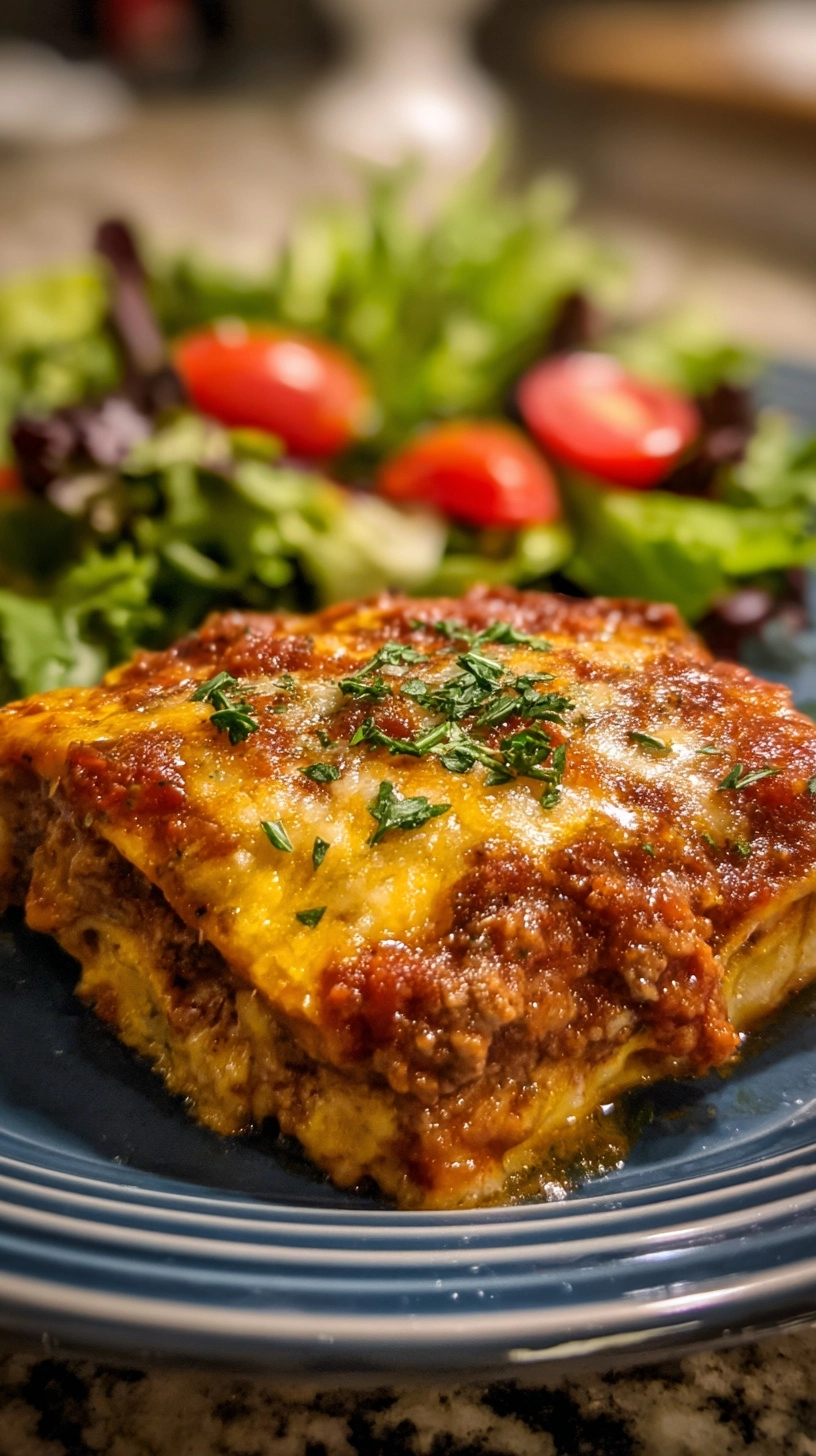
Refrigerate leftovers for up to 5 days in airtight containers, with individual portions reheating beautifully in the microwave for 90 seconds. For longer storage, wrap portions in plastic wrap and freeze for up to 3 months. Thaw overnight in the refrigerator before reheating in a 350°F oven for 15 minutes. The assembled but unbaked lasagna can be frozen for up to 6 months—add 30 minutes to the baking time when cooking from frozen.
FAQs
Can I make this ahead of time? Absolutely! Assemble the lasagna up to 2 days in advance, cover tightly, and refrigerate. Add 10 extra minutes to the covered baking time.
What if my lasagna seems too liquidy? This usually means the vegetables weren’t properly drained. Next time, extend the salting time to 30 minutes and pat very dry.
Can I use other vegetables for layers? Yes! Thinly sliced yellow squash, portobello mushroom caps, or even cabbage leaves work well as pasta substitutes.
How do I know when it’s fully cooked? The cheese should be golden brown and bubbling, and a knife inserted in the center should come out hot to the touch.
Kitchen Mosaic Notes
Thanks for reading! Remember that nutritional values are approximate. For the best results, adapt this recipe to your specific dietary needs.