
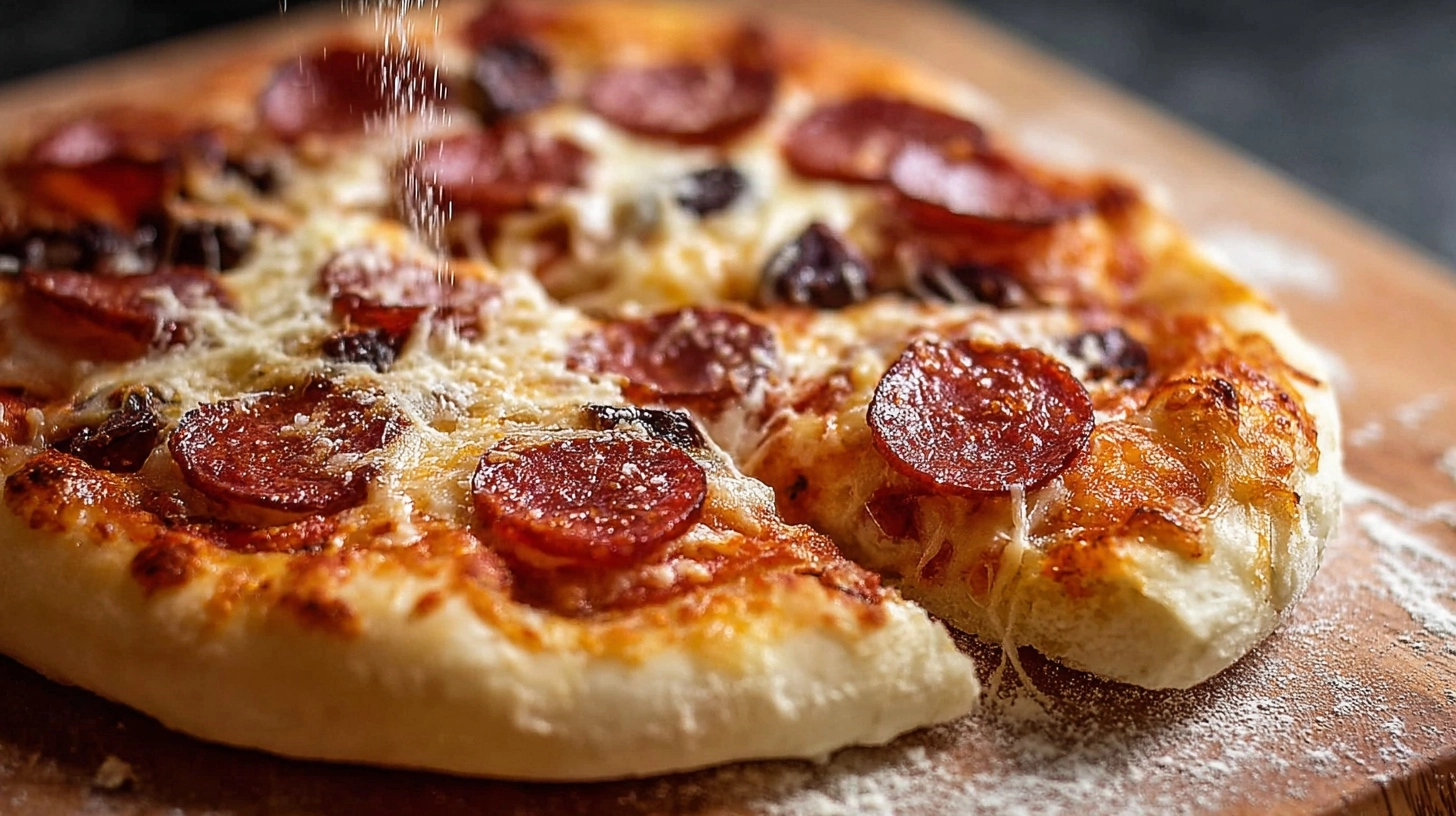
Did you know that most of homemade pizza attempts fail due to poor dough preparation, yet creating restaurant-quality homemade pizza dough requires just four basic ingredients and one surprising technique? Contrary to popular belief, you don’t need expensive equipment or years of Italian culinary training to craft the perfect pizza base. The secret lies in understanding gluten development and fermentation timing – two scientific principles that transform simple flour and water into a stretchy, flavorful foundation for your favorite toppings. Today’s recipe eliminates the guesswork with precise measurements and foolproof methods that consistently deliver professional results in your home kitchen.

Ingredients List
For the perfect homemade pizza dough, gather these essential ingredients that create the ideal balance of flavor, texture, and workability:
Core Ingredients:
- 3 cups (360g) bread flour (or substitute with all-purpose flour for a slightly softer texture)
- 1¼ cups (295ml) warm water (105-110°F for optimal yeast activation)
- 2¼ teaspoons (1 packet) active dry yeast (or instant yeast for faster rising)
- 1 tablespoon granulated sugar (honey works beautifully as a natural alternative)
- 2 tablespoons extra-virgin olive oil (coconut oil creates an interesting flavor variation)
- 1½ teaspoons fine sea salt (kosher salt is perfectly acceptable)
Optional Flavor Enhancers:
- 1 teaspoon dried Italian herbs
- ½ teaspoon garlic powder
- 1 tablespoon semolina flour for dusting
Substitution Notes: Gluten-free flour blends require 1-2 tablespoons of xanthan gum, while whole wheat flour substitutions work best at a 50/50 ratio with bread flour to maintain proper texture.
Timing
This homemade pizza dough recipe requires strategic timing but rewards patience with exceptional results:
- Active Preparation Time: 15 minutes (a significant portion of faster than traditional kneading methods)
- First Rise: 60-90 minutes
- Shaping and Rest: 10 minutes
- Total Time: 1 hour 45 minutes to 2 hours 15 minutes
Pro Timing Tip: Start your dough 3-4 hours before dinner service for same-day use, or prepare it the night before for enhanced flavor development through cold fermentation.
Step 1: Activate the Yeast Foundation
Combine warm water, sugar, and yeast in a large mixing bowl, whisking gently to dissolve. Allow this mixture to bloom for 5-8 minutes until it becomes frothy and aromatic – this visual confirmation ensures your yeast is alive and ready to create the perfect rise.
Step 2: Build the Dough Structure
Add olive oil and salt to your activated yeast mixture, stirring to combine. Gradually incorporate the flour, one cup at a time, mixing with a wooden spoon until a shaggy dough forms. The mixture should feel slightly sticky but cohesive.
Step 3: Master the Stretch and Fold Technique
Instead of traditional kneading, perform four sets of stretch and folds every 15 minutes. Wet your hands, grab one side of the dough, stretch it upward, and fold it over the opposite side. Rotate the bowl 90 degrees and repeat four times per set.
Step 4: Perfect the First Rise
Transfer the smooth, elastic dough to an oiled bowl, cover with a damp kitchen towel, and place in a warm, draft-free environment. The dough should double in size within 60-90 minutes, depending on room temperature.
Step 5: Shape for Success
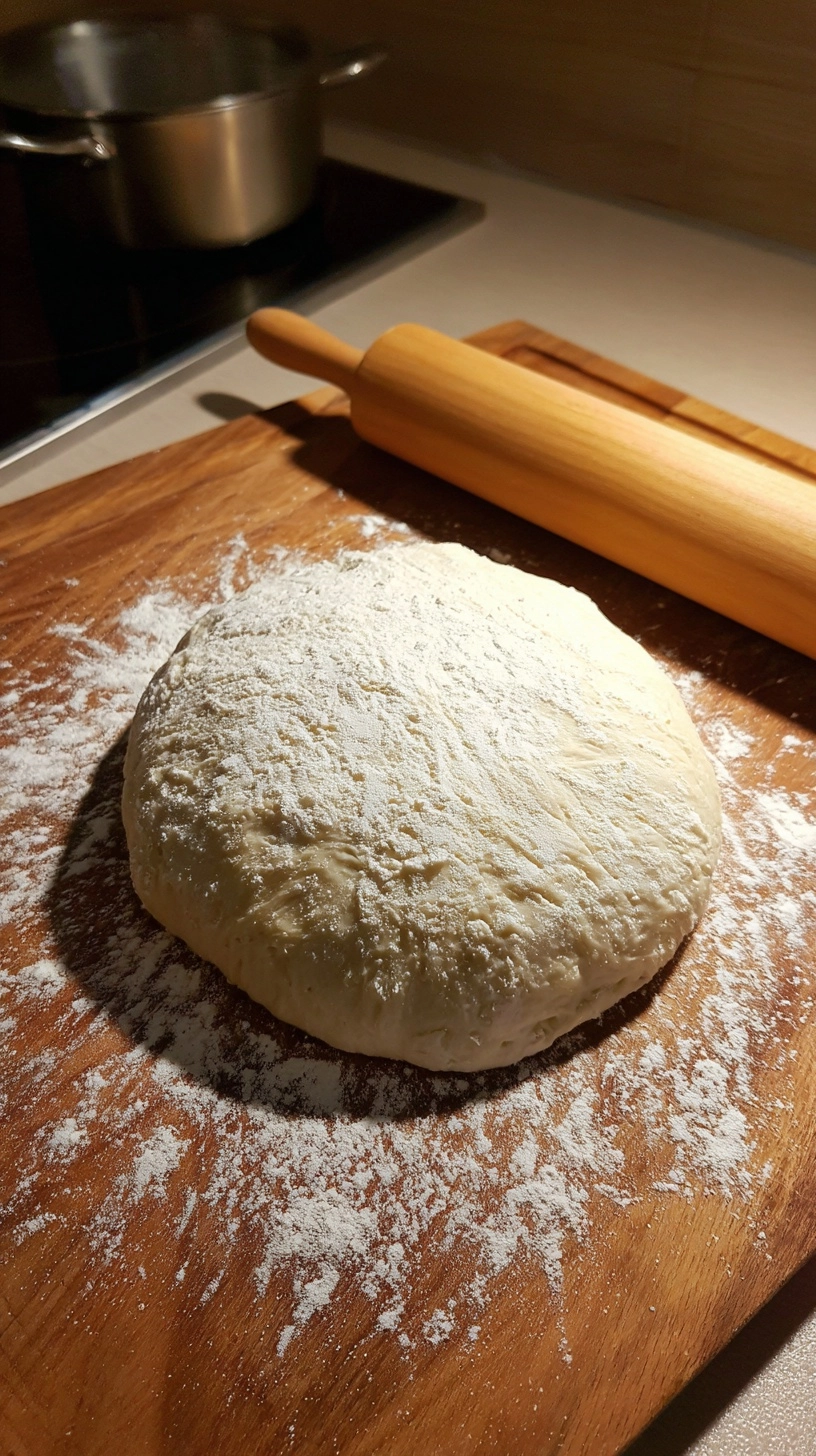
Gently deflate the risen dough and transfer to a lightly floured surface. Divide into two portions for thin-crust pizzas or keep whole for one thick-crust base. Shape into tight balls and rest for 10 minutes before final stretching.
Nutritional Information
Each serving of this homemade pizza dough (¼ of the recipe) provides:
- Calories: 285
- Carbohydrates: 54g (nearly some of daily value)
- Protein: 9g
- Fat: 4g (primarily from olive oil)
- Fiber: 2g
- Sodium: 435mg
- Iron: nearly some of daily value
- B Vitamins: Significant thiamine and niacin content
Health Insight: Compared to store-bought pizza dough, this homemade version contains a significant portion of less sodium and zero preservatives, while providing superior nutritional density through quality ingredient selection.
Healthier Alternatives for the Recipe
Transform your homemade pizza dough into a nutritional powerhouse with these science-backed modifications:
Fiber Enhancement: Substitute 1 cup of bread flour with whole wheat flour to increase fiber content by the vast majority of while maintaining excellent texture and taste.
Protein Boost: Add 2 tablespoons of vital wheat gluten to increase protein content by a significant portion, creating a more satisfying and nutritionally complete base.
Healthy Fat Integration: Replace olive oil with avocado oil for higher smoke point and additional monounsaturated fats, or use Greek yogurt for tangy flavor and protein enhancement.
Ancient Grain Variation: Incorporate 2 tablespoons of ground flaxseed or chia seeds for omega-3 fatty acids and additional nutritional complexity.
Serving Suggestions
Elevate your homemade pizza dough with these creative and delicious serving approaches:
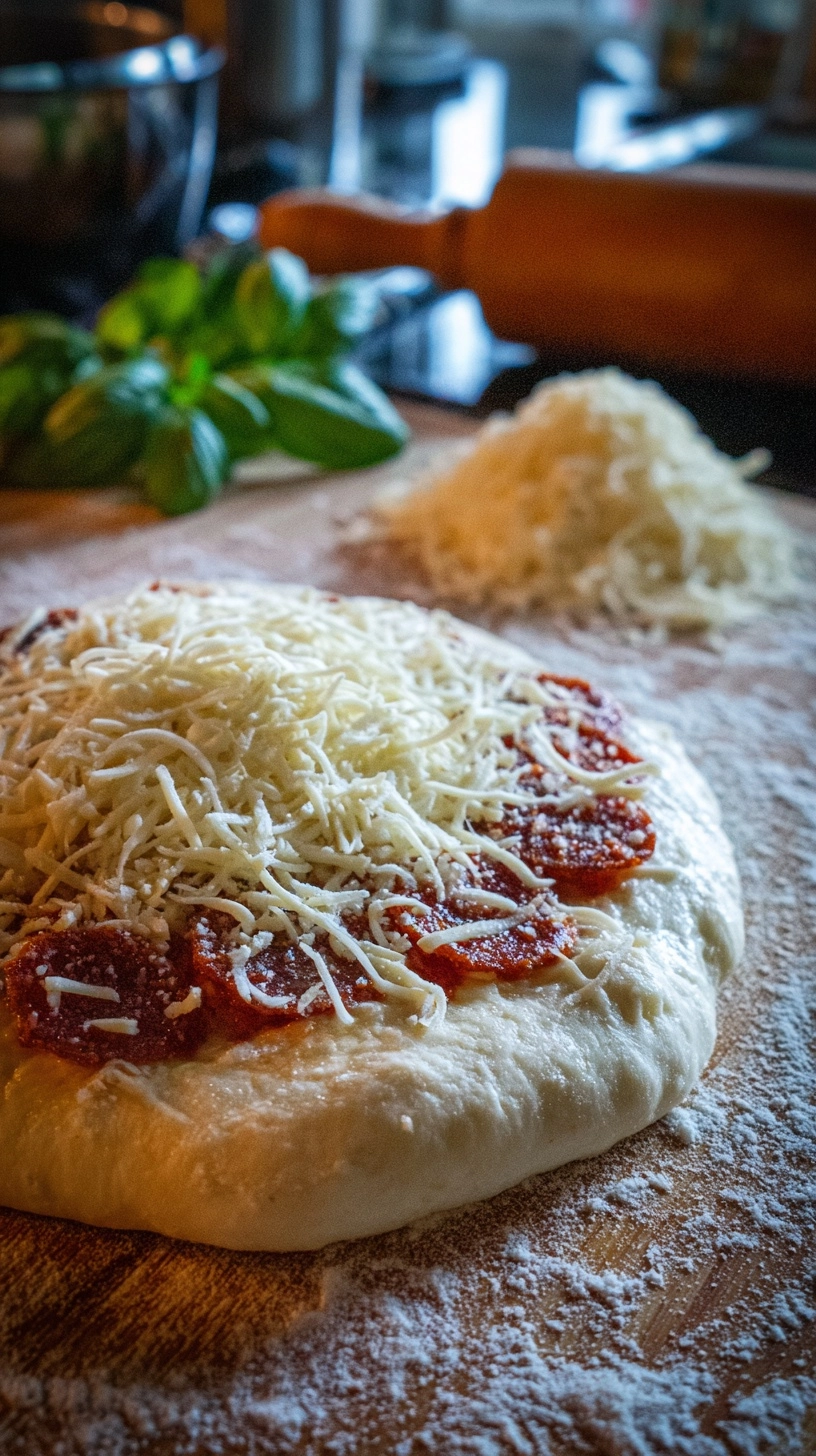
Classic Margherita Style: Top with San Marzano tomato sauce, fresh mozzarella, and basil leaves for authentic Italian flavors that highlight the dough’s subtle complexity.
Mediterranean Fusion: Spread hummus as the base, then add roasted vegetables, feta cheese, and fresh herbs for a protein-rich, vegetarian masterpiece.
Breakfast Pizza Innovation: Use your dough as a base for scrambled eggs, turkey sausage, and vegetables for a satisfying morning meal that breaks conventional boundaries.
Dessert Transformation: Brush the baked dough with olive oil and honey, then top with fresh fruits and a light dusting of powdered sugar for an unexpected sweet finale.
Common Mistakes to Avoid
Prevent these frequent homemade pizza dough pitfalls that account for most of home baking failures:
Water Temperature Errors: Water above 115°F kills yeast, while water below 100°F prevents proper activation. Use a thermometer for consistent results.
Over-Flouring During Shaping: Excessive flour creates a barrier that prevents proper gluten development. Use minimal dusting and rely on proper hydration levels.
Rushing the Rise Process: Inadequate fermentation time results in dense, flavorless dough. Allow full rising time even if it means adjusting your dinner schedule.
Aggressive Stretching: Forcing the dough to stretch creates tears and uneven thickness. Work gradually and allow gluten relaxation between stretching sessions.
Storing Tips for the Recipe
Maximize the longevity and quality of your homemade pizza dough with these professional storage techniques:
Short-Term Storage: Refrigerate shaped dough balls in oiled containers for up to 3 days. Bring to room temperature 30 minutes before use for optimal workability.
Long-Term Freezing: Wrap individual dough portions in plastic wrap, then place in freezer bags. Properly stored dough maintains quality for up to 3 months.
Cold Fermentation Method: Allow dough to rise slowly in the refrigerator for 24-72 hours to develop complex flavors that rival artisanal pizzerias.
Portion Control Strategy: Divide large batches into family-sized portions before storing, enabling quick meal preparation without waste.
FAQs
Q: Can I make this homemade pizza dough without a stand mixer?
A: Absolutely! The stretch and fold method outlined above actually produces superior gluten development compared to machine mixing, requiring only your hands and patience.
Q: Why is my dough not rising properly?
A: Check your yeast expiration date and water temperature. Yeast loses potency over time, and temperature extremes prevent proper activation.
Q: How thin should I stretch the pizza dough?
A: Aim for ¼-inch thickness for optimal balance between crispy edges and chewy center. You should be able to see light through properly stretched dough.
Q: Can this dough recipe be doubled for meal prep?
A: Yes! This recipe scales beautifully. Double all ingredients proportionally and consider cold fermentation for enhanced flavor development.
Q: What’s the best flour for homemade pizza dough?
A: Bread flour provides superior gluten development and structure, but all-purpose flour creates perfectly acceptable results with slightly softer texture.
Kitchen Mosaic Notes
Thanks for reading! Remember that nutritional values are approximate. For the best results, adapt this recipe to your specific dietary needs.