
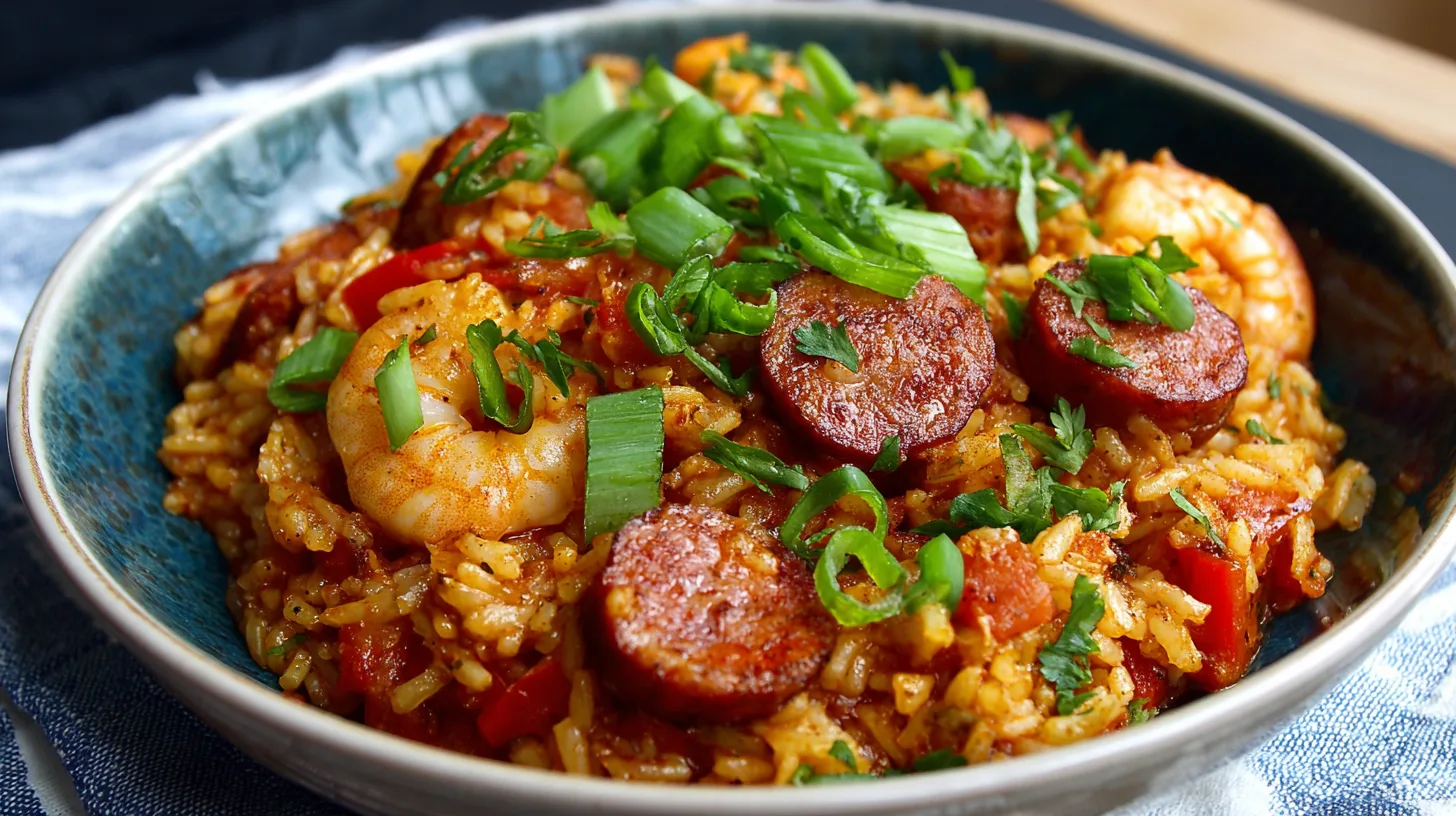
Did you know that most of home cooks avoid making jambalaya because they believe it’s too complicated, yet the most authentic versions require just one pot and 30 minutes of active cooking time? This misconception has kept countless food enthusiasts from experiencing one of Louisiana’s most beloved comfort foods. Easy jambalaya recipes prove that you don’t need culinary school training or exotic ingredients to create this soul-warming dish that feeds both body and spirit. With the right approach, anyone can master this flavorful rice dish that combines the holy trinity of vegetables with protein and aromatic spices.
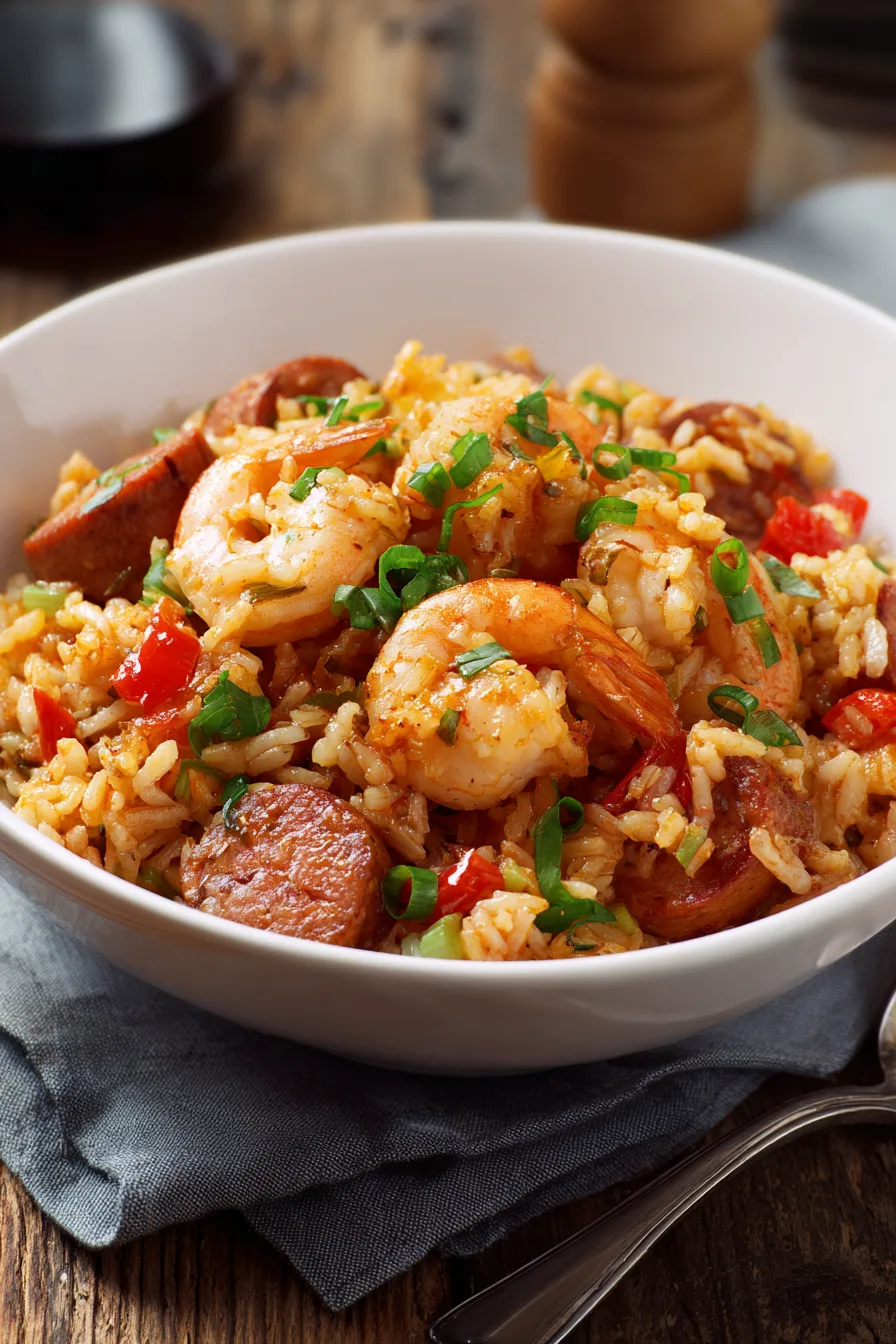
Ingredients List
For the Protein Base:
- 1 pound andouille sausage, sliced into ½-inch rounds (substitute: smoked turkey sausage or chorizo)
- 1 pound medium shrimp, peeled and deveined (substitute: chicken thighs cut into bite-sized pieces)
- 2 tablespoons olive oil
The Holy Trinity Foundation:
- 1 large yellow onion, diced (about 1½ cups of aromatic sweetness)
- 1 large bell pepper, diced (choose vibrant green or colorful mix)
- 3 celery stalks, diced (including tender leaves for extra flavor)
- 4 garlic cloves, minced until fragrant
Rice and Liquid Components:
- 1½ cups long-grain white rice (jasmine or basmati work beautifully)
- 3 cups low-sodium chicken broth (substitute: vegetable broth for lighter option)
- 1 can (14.5 oz) diced tomatoes, drained
- 2 bay leaves for aromatic depth
Spice Symphony:
- 2 teaspoons Cajun seasoning (adjust to heat preference)
- 1 teaspoon smoked paprika
- ½ teaspoon dried thyme
- ¼ teaspoon cayenne pepper (optional for heat lovers)
- Salt and black pepper to taste
- 3 green onions, chopped for fresh finishing touch
Timing
Preparation Time: 15 minutes (nearly some of faster when ingredients are prepped ahead)
Active Cooking Time: 30 minutes
Simmering Time: 20 minutes
Total Time: 65 minutes
This streamlined approach delivers jambalaya in just over an hour, compared to traditional recipes that often require 90+ minutes. The key lies in proper mise en place and understanding that jambalaya’s magic happens during the hands-off simmering phase.
Step 1: Create the Flavor Foundation
Heat olive oil in a heavy-bottomed Dutch oven or large skillet over medium-high heat. Add sliced andouille sausage and cook for 4-5 minutes until edges develop a golden-brown crust. This caramelization step builds the essential flavor base that distinguishes great jambalaya from ordinary rice dishes.
Step 2: Build the Aromatic Base
Add the holy trinity vegetables (onion, bell pepper, and celery) to the same pot with the sausage. Cook for 6-8 minutes, stirring occasionally, until vegetables soften and onions become translucent. The fond (browned bits) from the sausage will coat the vegetables, creating layers of complex flavor.
Step 3: Awaken the Spices
Stir in minced garlic, Cajun seasoning, smoked paprika, thyme, and cayenne. Cook for 60 seconds until fragrant, being careful not to burn the garlic. This brief toasting activates the spice oils and creates an aromatic foundation that will permeate every grain of rice.
Step 4: Incorporate Rice and Liquid
Add rice to the pot, stirring constantly for 2 minutes to coat each grain with the seasoned oil mixture. Pour in chicken broth, diced tomatoes, and bay leaves. Bring mixture to a rolling boil, then reduce heat to low and cover tightly.
Step 5: The Patient Simmer
Allow jambalaya to simmer undisturbed for 18-20 minutes. Resist the urge to lift the lid frequently, as this releases essential steam needed for proper rice cooking. The liquid should be absorbed and rice tender when done.
Step 6: Shrimp Finale
During the last 5 minutes of cooking, nestle shrimp into the rice mixture and replace the lid. The residual heat will perfectly cook the shrimp while keeping them tender and juicy.
Step 7: Rest and Finish
Remove from heat and let stand 5 minutes before fluffing with a fork. Remove bay leaves, taste for seasoning, and garnish with fresh green onions.
Nutritional Information
Per serving (serves 6):
- Calories: 385
- Protein: 28g (more than half of daily value)
- Carbohydrates: 42g
- Fat: 12g
- Fiber: 3g
- Sodium: 890mg
- Iron: nearly some of daily value
- Vitamin C: a significant portion of daily value (from bell peppers)
This nutrient-dense meal provides complete proteins from both seafood and meat while delivering significant amounts of vitamin C, iron, and B-vitamins. The combination creates a satisfying meal that supports sustained energy levels.
Healthier Alternatives for the Recipe
Protein Modifications:
Replace andouille with turkey sausage to reduce calories by a significant portion of and saturated fat by a significant portion. Increase shrimp quantity to 1.5 pounds for a leaner protein profile rich in omega-3 fatty acids.
Grain Alternatives:
Substitute brown rice for additional fiber and nutrients, extending cooking time to 35-40 minutes. Cauliflower rice creates a low-carb version with most of fewer carbohydrates while maintaining authentic flavors.
Sodium Reduction:
Use low-sodium broth and reduce Cajun seasoning by half, compensating with fresh herbs like oregano and basil. This modification decreases sodium content by approximately a significant portion.
Serving Suggestions
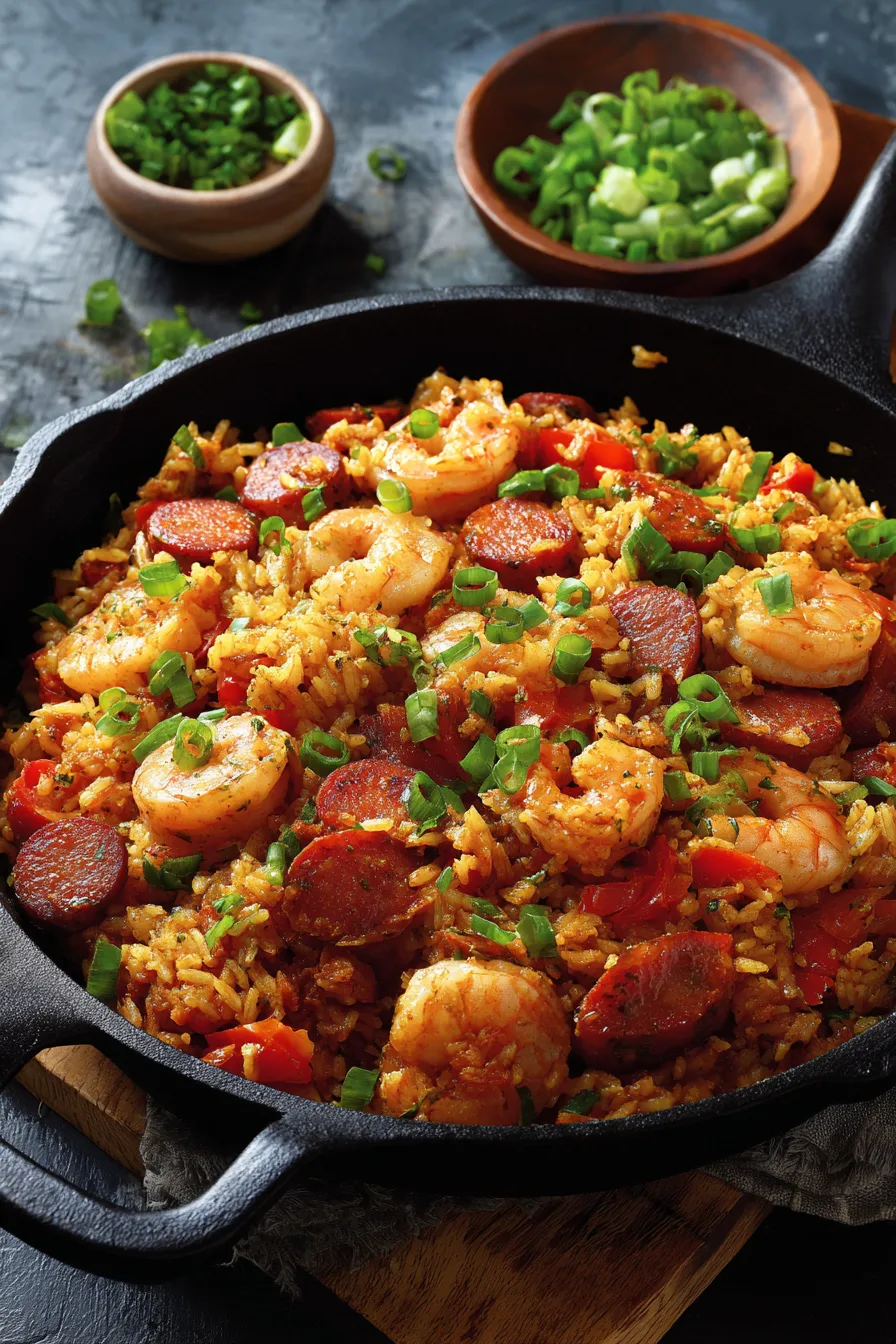
Present jambalaya in shallow bowls to showcase the colorful ingredients, garnished with fresh green onions and a lemon wedge. Serve alongside crusty French bread for authentic Louisiana-style dining, or pair with a simple green salad dressed in vinaigrette to balance the rich flavors.
For entertaining, consider serving in individual cast-iron skillets for rustic presentation. Complement with pickled okra, coleslaw, or roasted vegetables. The dish pairs beautifully with sweet tea, sparkling water with lime, or fresh lemonade.
Common Mistakes to Avoid
Overcrowding the pot leads to uneven cooking and mushy rice. Use a wide, heavy-bottomed vessel that allows ingredients to cook in a relatively thin layer.
Frequent lid lifting releases steam essential for proper rice cooking. Trust the process and resist checking until the minimum cooking time has elapsed.
Adding shrimp too early results in rubbery, overcooked seafood. Shrimp cook rapidly and should only be added during the final minutes.
Using the wrong rice type affects texture significantly. Long-grain varieties maintain separate grains, while short-grain rice becomes sticky and clumpy.
Storing Tips for the Recipe
Refrigerate leftover jambalaya in airtight containers for up to 4 days. The flavors actually improve after 24 hours as spices meld together. Reheat gently on the stovetop with a splash of broth to restore moisture, or microwave in 30-second intervals, stirring between heating.
For meal prep, prepare the vegetable and sausage base ahead of time, refrigerating for up to 3 days before adding rice and completing the recipe. Freeze portions for up to 3 months, though shrimp texture may change slightly upon thawing.
FAQs
Can I make jambalaya without seafood?
Absolutely! Increase the sausage quantity or add diced chicken thighs for an equally delicious “chicken and sausage” jambalaya variation.
Why is my jambalaya mushy?
Excess liquid or wrong rice type typically causes mushiness. Measure liquids carefully and use long-grain rice varieties for best results.
Can I double this recipe?
Yes, but use a larger pot to maintain proper cooking ratios. You may need to extend cooking time by 5-10 minutes for larger quantities.
Is jambalaya spicy?
Heat levels are completely customizable. Start with less Cajun seasoning and cayenne, tasting and adjusting according to preference.
This easy jambalaya recipe transforms a seemingly complex dish into an approachable weeknight dinner that delivers restaurant-quality results every time.
Kitchen Mosaic Notes
Thanks for reading! Remember that nutritional values are approximate. For the best results, adapt this recipe to your specific dietary needs.