
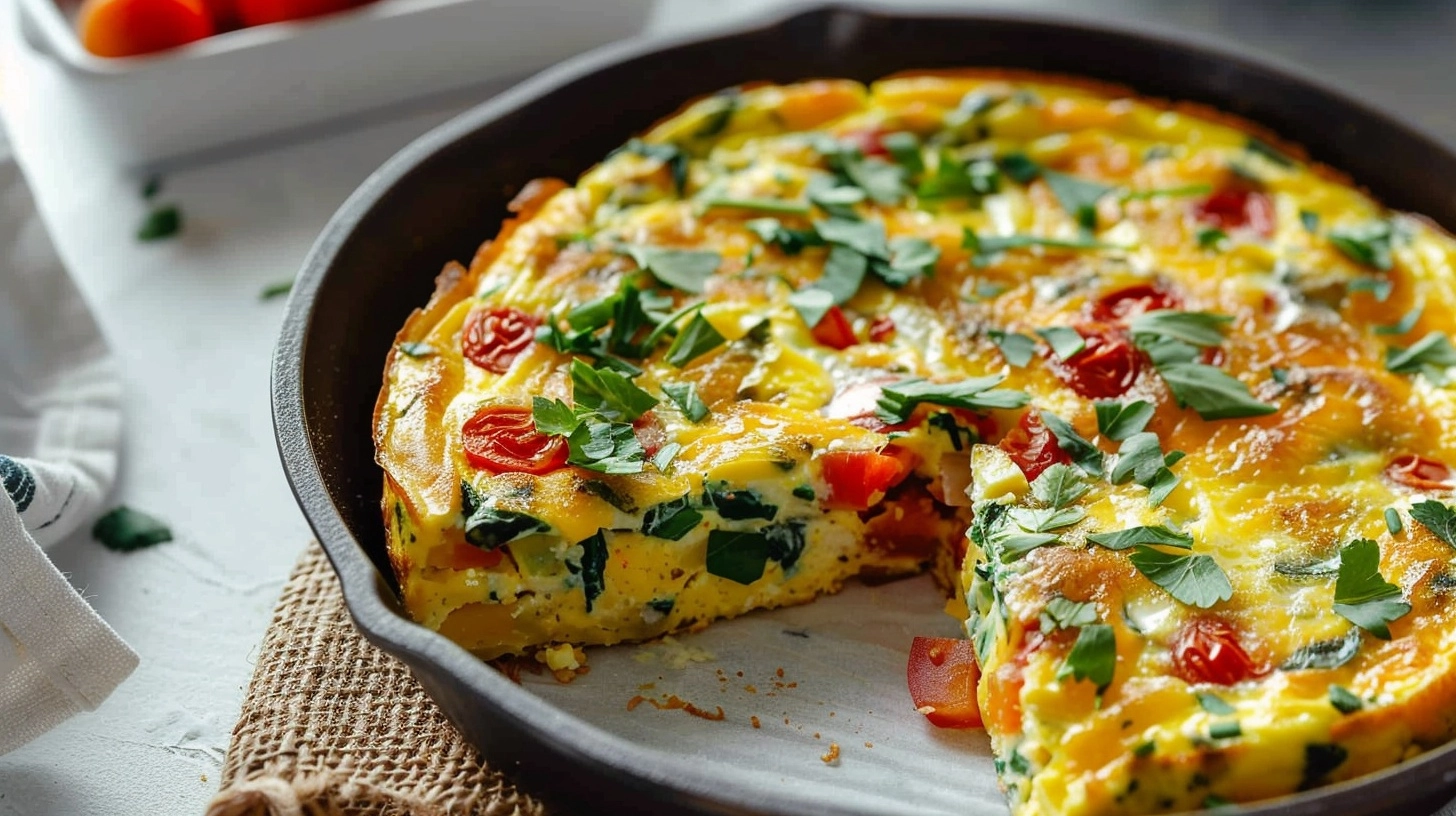
Did you know that most of home cooks struggle with creating the perfect egg-to-vegetable ratio in their breakfast dishes? Yet mastering a foolproof frittata recipe can transform your morning routine and provide a protein-packed meal that’s surprisingly versatile. Unlike scrambled eggs that require constant stirring or omelets that demand precise timing, frittatas offer the ultimate cooking freedom—you simply combine ingredients, let the stovetop do the initial work, and finish in the oven. This Italian-inspired dish has become a breakfast game-changer for busy families, meal prep enthusiasts, and anyone seeking a nutritious start to their day that doesn’t compromise on flavor.
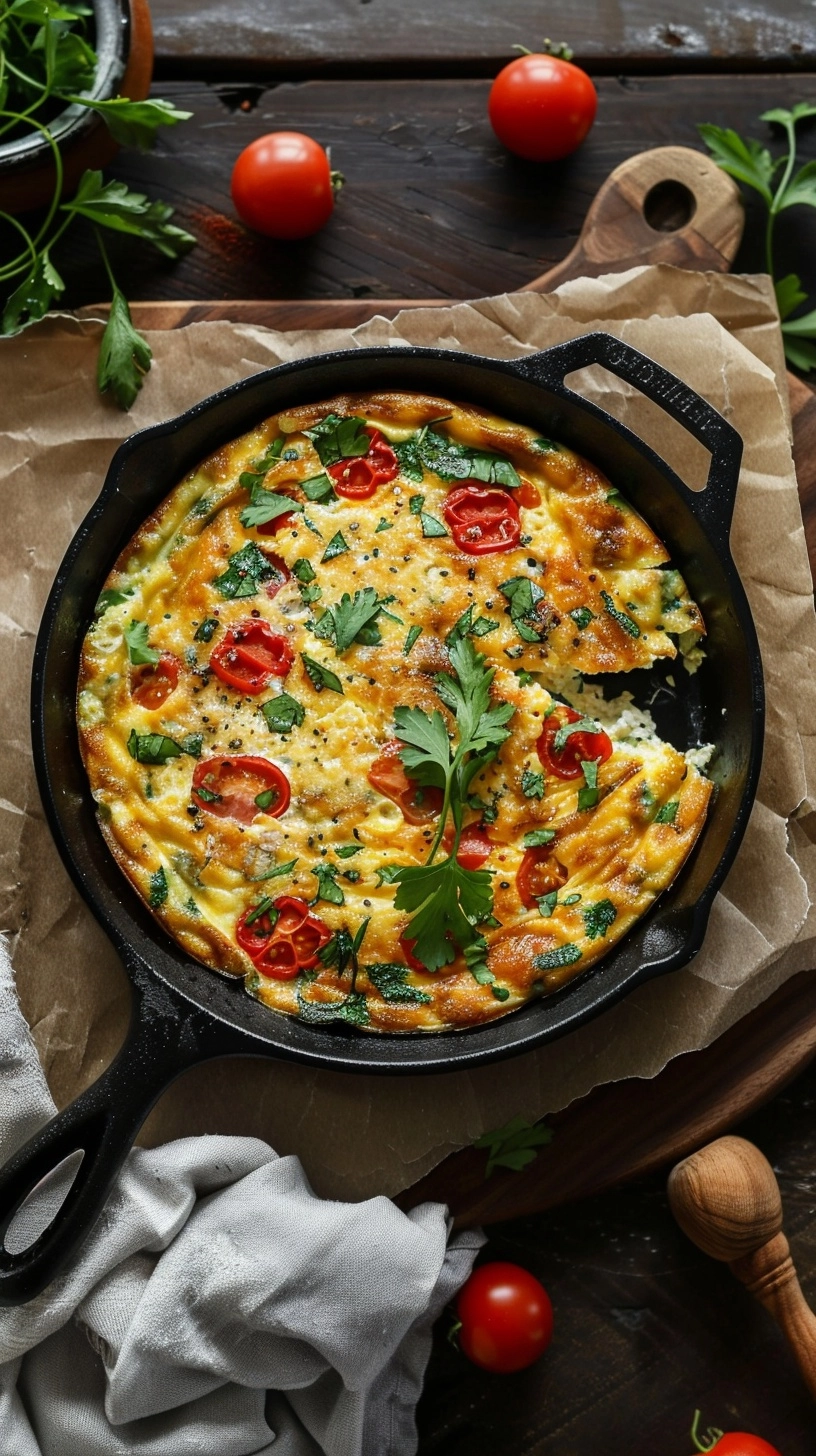
Essential Ingredients for Your Perfect Frittata Recipe
Creating an exceptional frittata starts with quality ingredients that work in harmony. Here’s your comprehensive shopping list:
Base Ingredients:
- 8 large eggs (farm-fresh preferred for richer flavor)
- 1/4 cup whole milk or heavy cream (substitute with unsweetened almond milk for dairy-free)
- 1/2 teaspoon salt (sea salt enhances natural flavors)
- 1/4 teaspoon freshly ground black pepper
Vegetables (choose 1-2 cups total):
- 1 medium bell pepper, diced (red or yellow for sweetness)
- 1/2 medium onion, thinly sliced (sweet onions work beautifully)
- 1 cup fresh spinach leaves (baby spinach wilts perfectly)
- 1/2 cup cherry tomatoes, halved
Cheese & Herbs:
- 3/4 cup shredded cheese (Gruyère, cheddar, or goat cheese)
- 2 tablespoons fresh herbs (chives, parsley, or basil)
- 2 tablespoons olive oil for cooking
Smart Substitutions: Swap regular milk for coconut milk, use nutritional yeast instead of cheese for vegan options, or replace fresh herbs with 1 teaspoon dried herbs when fresh isn’t available.
Timing Your Frittata Success
Preparation Time: 12 minutes
Cooking Time: 18 minutes
Total Time: 30 minutes
This streamlined timeline represents a significant portion of less active cooking time compared to traditional omelet-making, where you’d need to prepare individual servings. The beauty of this frittata recipe lies in its efficiency—while your oven finishes the cooking, you’re free to prepare side dishes or simply enjoy your morning coffee.
Step 1: Prepare Your Mise en Place
Preheat your oven to 375°F and gather all ingredients. Crack eggs into a large mixing bowl, add milk, salt, and pepper, then whisk until completely smooth—about 45 seconds of vigorous whisking creates the ideal creamy texture. Dice vegetables uniformly for even cooking, keeping pieces roughly 1/4-inch in size.
Step 2: Sauté the Vegetables
Heat olive oil in a 10-inch oven-safe skillet over medium heat. Add onions first, cooking for 3 minutes until they begin to soften and become translucent. Add bell peppers next, cooking for another 2 minutes. Finally, add spinach and tomatoes, stirring just until spinach wilts—this prevents overcooking and maintains vibrant color.
Step 3: Combine and Set the Base
Pour the whisked egg mixture directly over the sautéed vegetables in the skillet. Using a spatula, gently stir once to distribute vegetables evenly throughout the eggs. Sprinkle cheese and fresh herbs on top, allowing them to settle into the mixture naturally.
Step 4: Create the Perfect Set
Cook on the stovetop for 4-5 minutes without stirring, allowing the bottom to set while the top remains slightly runny. You’ll notice the edges beginning to pull away from the pan—this signals readiness for the oven.
Step 5: Finish in the Oven
Transfer the skillet directly to your preheated oven. Bake for 12-15 minutes until the center feels firm when gently pressed and the top develops a beautiful golden color. The frittata should puff slightly and spring back when touched.
Nutritional Information
This complete frittata recipe serves 6 people, with each serving delivering impressive nutritional value:
Per Serving:
- Calories: 185
- Protein: 14g (nearly some of daily value)
- Fat: 12g (primarily healthy monounsaturated fats)
- Carbohydrates: 4g
- Fiber: 1.5g
- Calcium: 180mg (nearly some of daily value)
- Iron: 2.1mg
Research shows that egg-based breakfast dishes increase satiety by a significant portion of compared to carbohydrate-heavy alternatives, making this frittata an excellent choice for sustained morning energy.

Healthier Alternatives for Your Frittata Recipe
Transform your frittata into a nutritional powerhouse with these smart swaps:
Reduce Calories: Use 6 whole eggs plus 4 egg whites instead of 8 whole eggs, cutting calories by nearly some of while maintaining protein content.
Boost Vegetables: Increase vegetable content to 2 cups and add nutrient-dense options like kale, asparagus, or roasted sweet potatoes for enhanced fiber and vitamins.
Dairy-Free Option: Replace milk with unsweetened cashew cream and cheese with nutritional yeast for a completely plant-based version that’s surprisingly creamy.
Lower Sodium: Use fresh herbs liberally instead of salt, incorporating garlic powder, smoked paprika, or herb blends for complex flavors without added sodium.
Creative Serving Suggestions
Elevate your frittata experience with these versatile serving ideas:
Breakfast Board Style: Slice into wedges and serve alongside fresh fruit, avocado slices, and whole grain toast for a Instagram-worthy presentation.
Mediterranean Twist: Pair with Greek yogurt drizzled with olive oil, fresh cucumber slices, and warm pita bread.
Brunch Elegance: Serve at room temperature with a mixed green salad dressed in lemon vinaigrette and fresh berries.
Meal Prep Champion: Cut into individual portions and store in containers with roasted vegetables for grab-and-go breakfasts throughout the week.
Common Mistakes to Avoid
Overcooking on Stovetop: more than half of home cooks keep frittatas on the burner too long, resulting in rubbery textures. Move to the oven once edges are set.
Wrong Pan Size: Using pans larger than 10 inches creates thin frittatas that cook too quickly and lack the desired fluffy texture.
Skipping the Preheat: Cold ovens create uneven cooking. Always preheat for consistent results.
Overmixing Eggs: Excessive whisking incorporates too much air, causing the frittata to puff dramatically then collapse.
Storing Tips for Maximum Freshness
Refrigeration: Cool completely before covering with plastic wrap. Properly stored frittatas maintain quality for up to 4 days in the refrigerator.
Freezing: Wrap individual slices in aluminum foil, then place in freezer bags. Frozen portions stay fresh for up to 3 months.
Reheating: Use gentle oven reheating at 300°F for 8-10 minutes to maintain texture, avoiding microwaves that can create rubbery results.
Make-Ahead Strategy: Prepare vegetables the night before and store covered in the refrigerator, reducing morning prep time by more than half.
Frequently Asked Questions
Can I make frittata without an oven-safe skillet?
Absolutely! Cook completely on stovetop over low heat with a lid, extending cooking time to 15-18 minutes total.
Why did my frittata turn out watery?
Excess moisture from vegetables is the culprit. Always sauté vegetables first to remove water content before adding eggs.
How do I know when it’s fully cooked?
The center should feel firm when gently pressed and a knife inserted in the middle should come out clean.
Can I add meat to this recipe?
Yes! Pre-cook bacon, sausage, or ham completely before adding to prevent raw meat in your finished dish.
What’s the difference between a frittata and a quiche?
Frittatas don’t use pastry crust and have a higher egg-to-cream ratio, making them lighter and more protein-focused than traditional quiches.
Kitchen Mosaic Notes
Thanks for reading! Remember that nutritional values are approximate. For the best results, adapt this recipe to your specific dietary needs.