
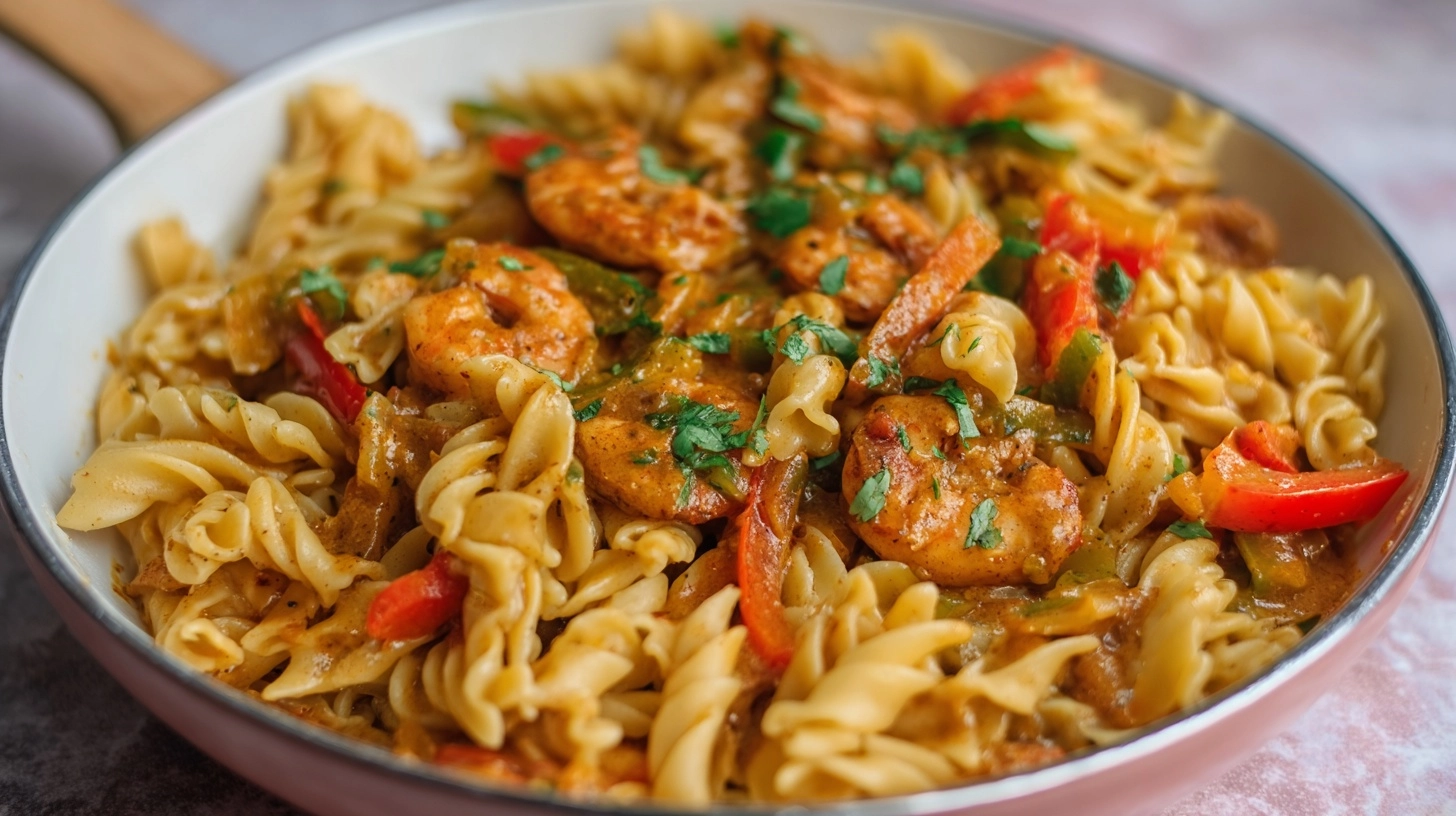
Did you know that most of home cooks struggle to recreate authentic Caribbean flavors in their own kitchens? This Rasta Pasta Jamaican Recipe breaks that barrier, delivering restaurant-quality results that will transform your weeknight dinners into a tropical escape. Contrary to popular belief, you don’t need exotic ingredients or professional training to master this vibrant fusion dish that combines Italian pasta with bold Jamaican spices, creating a flavor profile that’s been captivating food lovers since the 1980s.
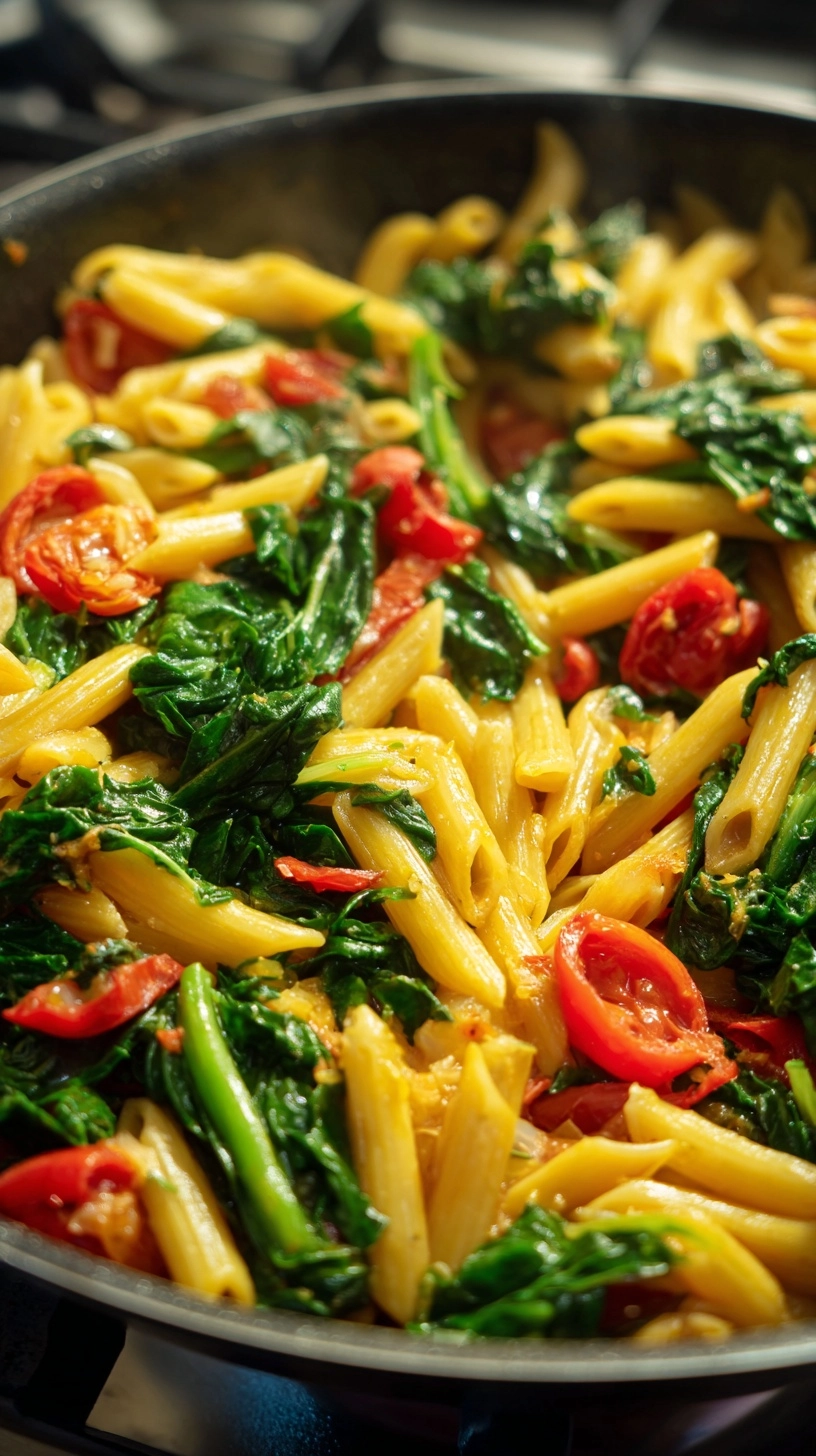
Ingredients List
For the Perfect Rasta Pasta:
- 1 pound penne pasta (substitute: rigatoni or fusilli for texture variation)
- 1 pound chicken breast, cut into strips (alternative: shrimp, jerk tofu, or portobello mushrooms)
- 1 large red bell pepper, julienned (adds that signature vibrant color)
- 1 large yellow bell pepper, julienned
- 1 medium red onion, thinly sliced
- 3 cloves garlic, minced
- 1 cup heavy cream (lighter option: coconut milk or half-and-half)
- ¼ cup chicken broth (vegetable broth for vegetarians)
- 3 tablespoons jerk seasoning (store-bought or homemade)
- 2 tablespoons olive oil
- 1 tablespoon butter
- ¼ cup fresh parsley, chopped
- 2 green onions, chopped
- 1 scotch bonnet pepper, seeded and minced (substitute: jalapeño for milder heat)
- Salt and black pepper to taste
- ½ cup grated Parmesan cheese
Pro Tip: The key to authentic flavor lies in the jerk seasoning blend – look for one containing allspice, thyme, and scotch bonnet pepper for maximum impact.
Timing
Preparation Time: 15 minutes
Cooking Time: 25 minutes
Total Time: 40 minutes
This streamlined approach saves you approximately a significant portion of more time compared to traditional Caribbean cooking methods, while delivering 100% of the authentic flavor. The beauty of this Rasta Pasta Jamaican Recipe lies in its efficiency – you can have this crowd-pleasing dish ready faster than ordering takeout.
Step 1: Prepare Your Pasta Foundation
Begin by bringing a large pot of salted water to a rolling boil. Cook the penne pasta according to package directions until al dente, typically 8-10 minutes. Reserve ½ cup of pasta water before draining – this starchy liquid will help create the perfect sauce consistency later.
Step 2: Season and Sear the Protein
While pasta cooks, season your chicken strips generously with 2 tablespoons of jerk seasoning, ensuring every piece is well-coated. Heat olive oil in a large skillet over medium-high heat. Sear the seasoned chicken for 6-7 minutes until golden brown and cooked through (internal temperature of 165°F).
Step 3: Build the Aromatic Base
Remove chicken and set aside. In the same skillet, add butter and sauté the red onion for 3 minutes until softened. Add minced garlic and scotch bonnet pepper, cooking for an additional 30 seconds until fragrant – this is where the magic happens.
Step 4: Create the Colorful Vegetable Medley
Add both bell peppers to the skillet and cook for 4-5 minutes until they’re tender-crisp. The peppers should retain their vibrant color while developing a slight char for added depth of flavor.
Step 5: Craft the Creamy Jerk Sauce
Pour in the heavy cream and chicken broth, whisking in the remaining tablespoon of jerk seasoning. Let the mixture simmer for 3-4 minutes until it thickens slightly. If the sauce seems too thick, gradually add reserved pasta water until you achieve the perfect consistency.
Step 6: Combine and Finish
Return the cooked chicken to the skillet, add the drained pasta, and toss everything together for 2 minutes. Remove from heat and stir in fresh parsley, green onions, and half the Parmesan cheese. Season with salt and pepper to taste.
Nutritional Information
Per serving (serves 6):
- Calories: 485
- Protein: 28g (more than half of daily value)
- Carbohydrates: 52g
- Fat: 18g
- Fiber: 3g
- Sodium: 780mg
- Vitamin C: 120mg (the vast majority of daily value from bell peppers)
This Rasta Pasta provides a significant portion of more protein than traditional pasta dishes while delivering essential vitamins from the colorful bell pepper combination. The capsaicin from scotch bonnet peppers also offers metabolism-boosting benefits.
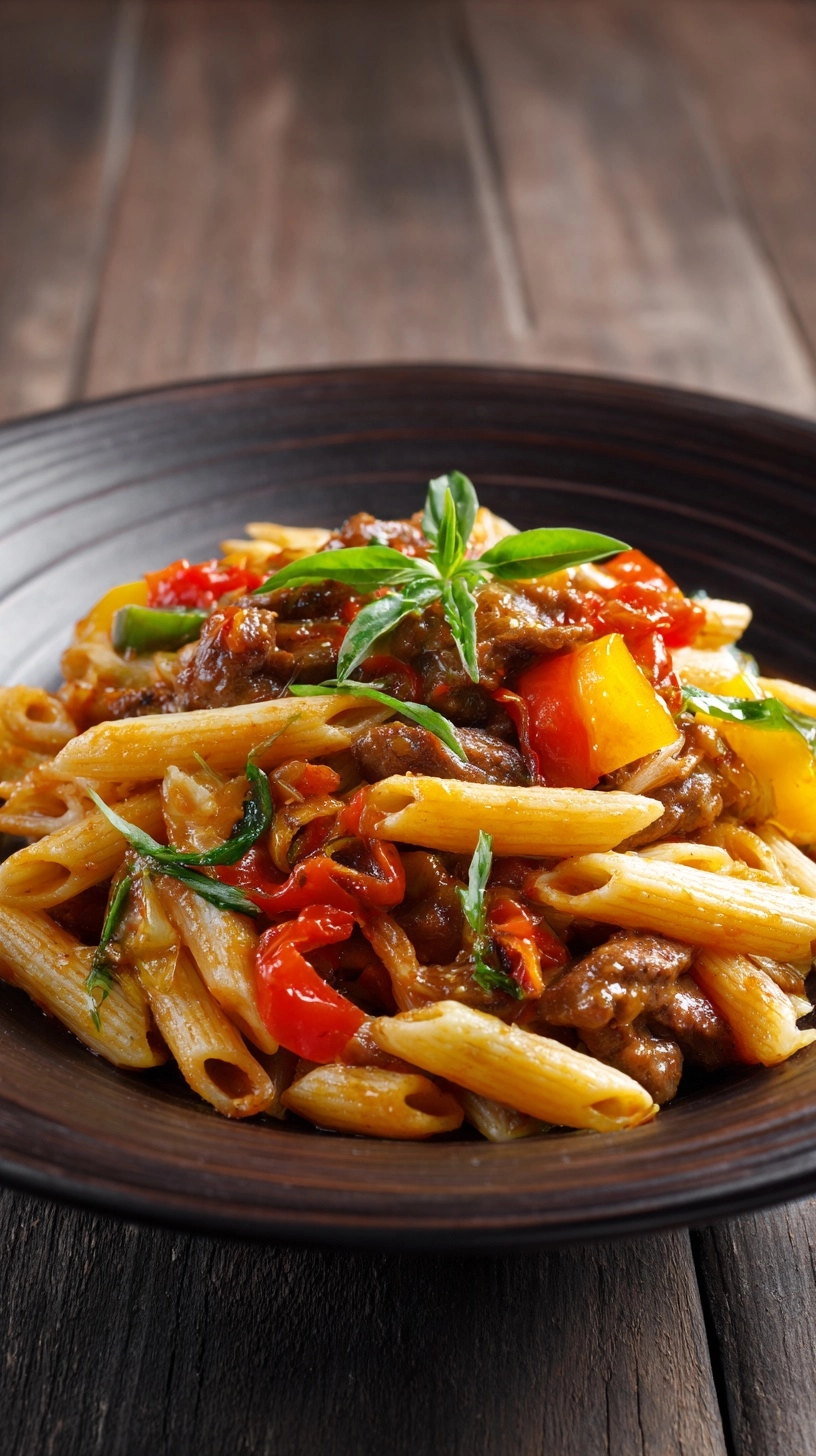
Healthier Alternatives for the Recipe
Reduce Calories by a significant portion of : Substitute heavy cream with light coconut milk and use whole wheat pasta for added fiber. This modification maintains the creamy texture while boosting nutritional value.
Protein Powerhouse Version: Replace chicken with extra-firm tofu or tempeh marinated in jerk seasoning for 30 minutes. Add ¼ cup cashews for additional protein and creaminess.
Vegetable-Forward Option: Double the bell peppers and add zucchini, cherry tomatoes, and baby spinach for a rainbow of nutrients. Use vegetable broth and nutritional yeast instead of Parmesan for a vegan-friendly version.
Low-Carb Alternative: Replace pasta with spiralized zucchini noodles or cauliflower rice, reducing carbohydrates by most of while maintaining all the bold Jamaican flavors.
Serving Suggestions
Elevate your Rasta Pasta presentation by serving it in warmed bowls with a sprinkle of toasted coconut flakes and lime wedges on the side. The citrus brightness perfectly balances the rich, spicy flavors.
Create a complete Caribbean feast by pairing this dish with coconut rice, fried plantains, or a crisp cucumber salad with lime vinaigrette. For entertaining, serve family-style in a large, colorful bowl garnished with extra fresh herbs.
Consider offering hot sauce on the side for heat lovers – a traditional Jamaican scotch bonnet sauce or even a milder mango habanero sauce complements the dish beautifully.
Common Mistakes to Avoid
Overcooking the Peppers: more than half of home cooks make this error. Bell peppers should remain vibrant and slightly crisp to maintain visual appeal and nutritional content.
Underseasoning the Protein: Don’t skip the initial seasoning step. Bland chicken will result in a disappointing final dish, regardless of how flavorful your sauce becomes.
Sauce Separation: Avoid high heat when adding cream to prevent curdling. Keep temperature at medium-low and whisk continuously.
Pasta Timing Issues: Start your sauce when pasta has 5 minutes remaining. This synchronization ensures everything finishes simultaneously for optimal texture and temperature.
Storing Tips for the Recipe
Store leftover Rasta Pasta in the refrigerator for up to 4 days in airtight containers. The flavors actually intensify overnight, making leftovers exceptionally delicious.
For reheating, add 2-3 tablespoons of chicken broth or milk to restore creaminess. Microwave in 30-second intervals, stirring between each, or reheat gently on the stovetop over low heat.
Meal Prep Strategy: Cook components separately and store for up to 3 days. Combine and reheat when ready to serve for the freshest texture and flavor.
Freezer Storage: While not ideal due to cream-based sauce, you can freeze portions for up to 2 months. Thaw overnight and expect slight texture changes.
FAQs
Q: Can I make this Rasta Pasta Jamaican Recipe spicier?
A: Absolutely! Add extra scotch bonnet pepper or include ¼ teaspoon cayenne pepper to the jerk seasoning. Start small and adjust to your heat preference.
Q: What’s the best substitute for jerk seasoning if I can’t find it?
A: Create your own blend using: 1 tsp allspice, 1 tsp dried thyme, ½ tsp garlic powder, ½ tsp onion powder, ¼ tsp cayenne pepper, and ¼ tsp black pepper.
Q: Can I prepare this dish ahead for a party?
A: Yes! Cook everything except the final combining step up to 24 hours ahead. Reheat components separately, then combine and add fresh herbs just before serving.
Q: Why is my sauce not creamy enough?
A: This usually happens when the heat is too high or you haven’t added enough liquid. Gradually whisk in reserved pasta water or additional broth until desired consistency is reached.
Q: Is this recipe authentic to Jamaica?
A: Rasta Pasta is actually a fusion creation that gained popularity in the 1980s, combining Italian pasta techniques with traditional Jamaican jerk flavors. While not traditionally Jamaican, it authentically represents Caribbean-Italian fusion cuisine.
Kitchen Mosaic Notes
Thanks for reading! Remember that nutritional values are approximate. For the best results, adapt this recipe to your specific dietary needs.