
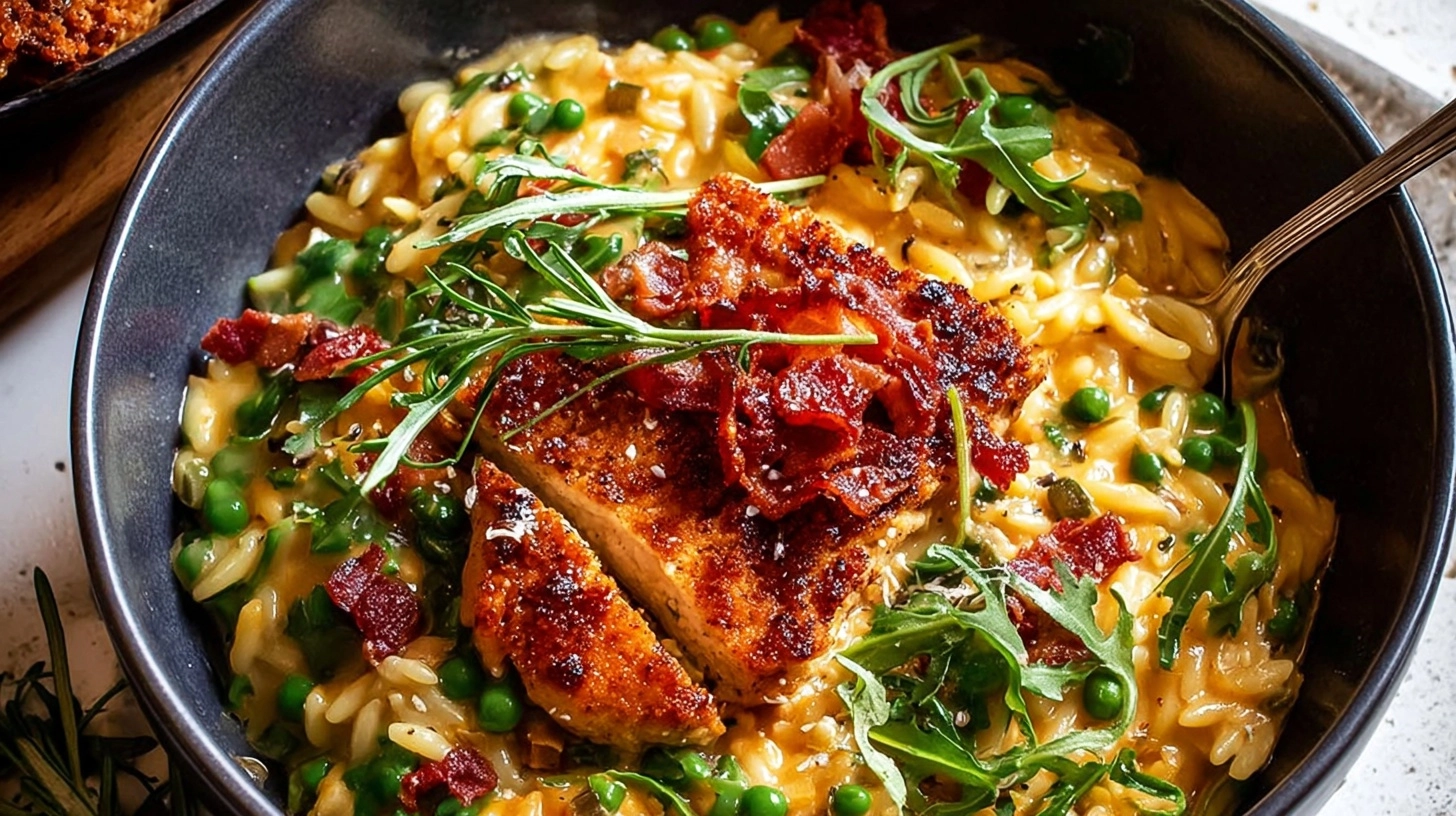
Did you know that nearly some of American households consist of just one person, yet most of recipes are designed to feed a family of four? This creates a culinary conundrum that leaves solo diners reaching for takeout menus or eating the same leftovers for days. But what if we told you that cooking for one doesn’t mean compromising on flavor or settling for sad desk salads? Today’s easy dinners for one that are too delicious to share prove that single-serving meals can be restaurant-quality experiences that rival any family feast. This perfectly portioned honey garlic glazed salmon with roasted vegetables delivers maximum flavor with minimal cleanup, transforming your solo dining experience into a celebration worth savoring.
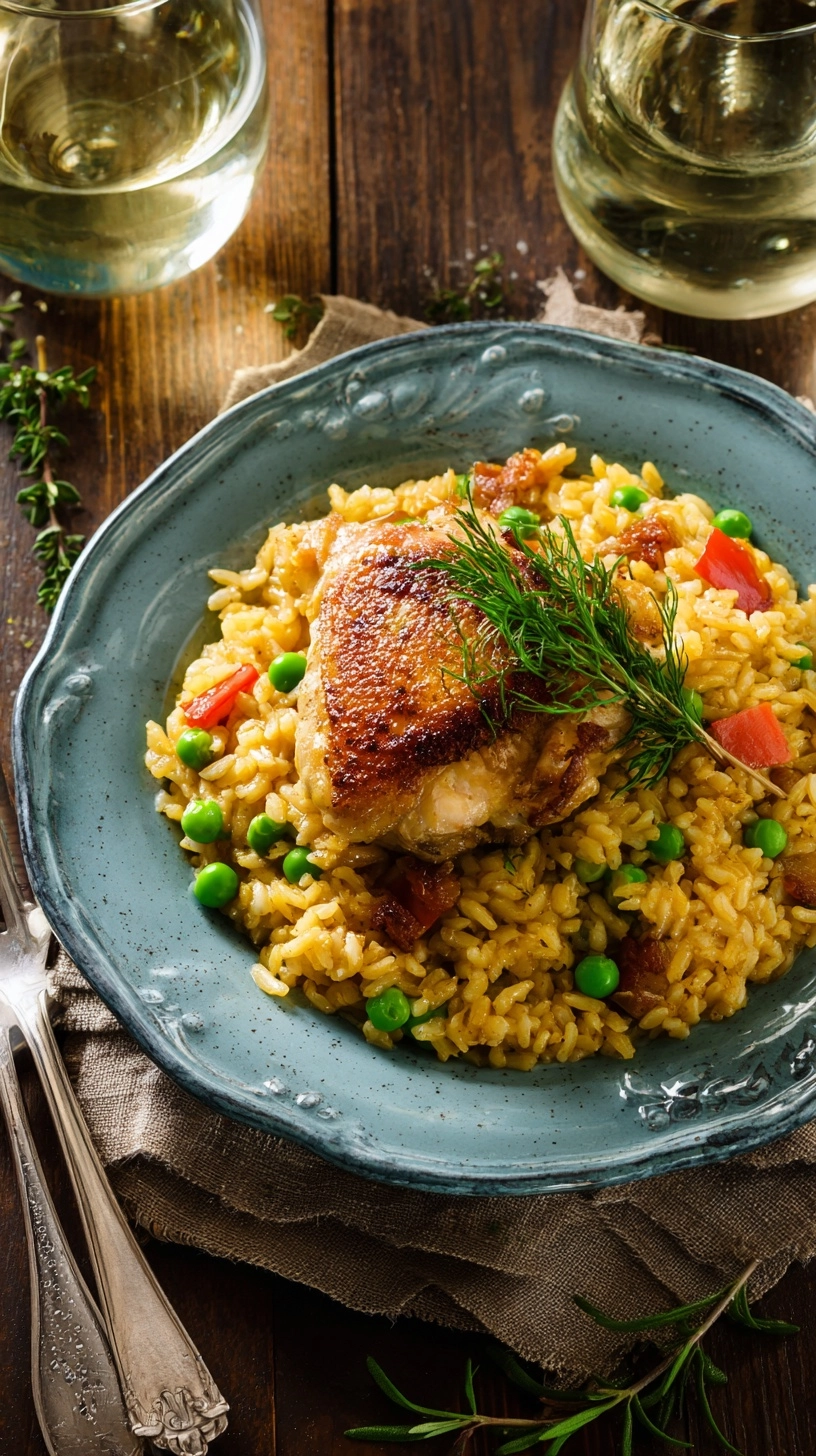
Ingredients List
For the Honey Garlic Glazed Salmon:
- 1 salmon fillet (6 oz), skin-on for optimal moisture retention
- 2 tablespoons honey (or maple syrup for a deeper flavor profile)
- 2 cloves garlic, minced (substitute: 1 teaspoon garlic powder)
- 1 tablespoon low-sodium soy sauce (tamari for gluten-free option)
- 1 tablespoon olive oil, divided
- 1 teaspoon fresh ginger, grated (or ½ teaspoon ground ginger)
- ½ teaspoon red pepper flakes (optional, for heat lovers)
For the Roasted Vegetables:
- 1 cup baby potatoes, halved (substitute: sweet potato cubes)
- ½ cup Brussels sprouts, trimmed and halved
- ½ medium red bell pepper, sliced into strips
- 1 tablespoon olive oil
- Salt and freshly ground black pepper to taste
- ½ teaspoon dried thyme (or 1 teaspoon fresh)
Finishing Touches:
- 1 tablespoon fresh lemon juice
- 1 green onion, sliced thin
- Sesame seeds for garnish (optional but recommended)
Timing
This single-serving masterpiece requires just 35 minutes total time, which is a significant portion of faster than most comparable restaurant-quality meals. Break it down to 10 minutes prep time and 25 minutes active cooking time. The beauty of this recipe lies in its synchronized cooking method—while your vegetables roast, you’ll prepare and cook the salmon, creating an efficient workflow that maximizes flavor development while minimizing kitchen chaos.
Step 1: Preheat and Prep Your Vegetables
Preheat your oven to 425°F (220°C). Toss the halved baby potatoes with olive oil, salt, pepper, and thyme in a medium baking dish. Start roasting these first since they need the longest cooking time—about 15 minutes before adding other vegetables.
Step 2: Prepare Your Honey Garlic Glaze
While potatoes begin roasting, whisk together honey, minced garlic, soy sauce, grated ginger, and red pepper flakes in a small bowl. This glaze develops better flavor when it sits, so preparing it early allows the ingredients to meld beautifully.
Step 3: Add Remaining Vegetables
After potatoes have roasted for 15 minutes, add Brussels sprouts and bell pepper strips to the same pan. Drizzle with remaining olive oil and season with salt and pepper. Return to oven for another 10-12 minutes.
Step 4: Sear the Salmon
Heat a non-stick or cast-iron skillet over medium-high heat with ½ tablespoon olive oil. Pat salmon dry and season with salt and pepper. Sear skin-side up for 3-4 minutes until golden, then flip carefully and cook another 2-3 minutes.
Step 5: Glaze and Finish
Reduce heat to medium-low and pour the honey garlic mixture over the salmon. Let it bubble and caramelize for 1-2 minutes, spooning the glaze over the fish repeatedly. The internal temperature should reach 145°F (63°C) for perfectly flaky results.
Nutritional Information
This powerhouse single serving delivers 485 calories with an impressive 35 grams of high-quality protein and 8 grams of fiber. The omega-3 fatty acids from salmon provide 1,200mg of heart-healthy fats, while the colorful vegetables contribute over the vast majority of your daily vitamin C needs. With only 18 grams of natural sugars from honey and vegetables, this meal maintains balanced blood sugar levels. The sodium content sits at a reasonable 680mg, which is a significant portion of lower than comparable restaurant dishes.
Healthier Alternatives for the Recipe
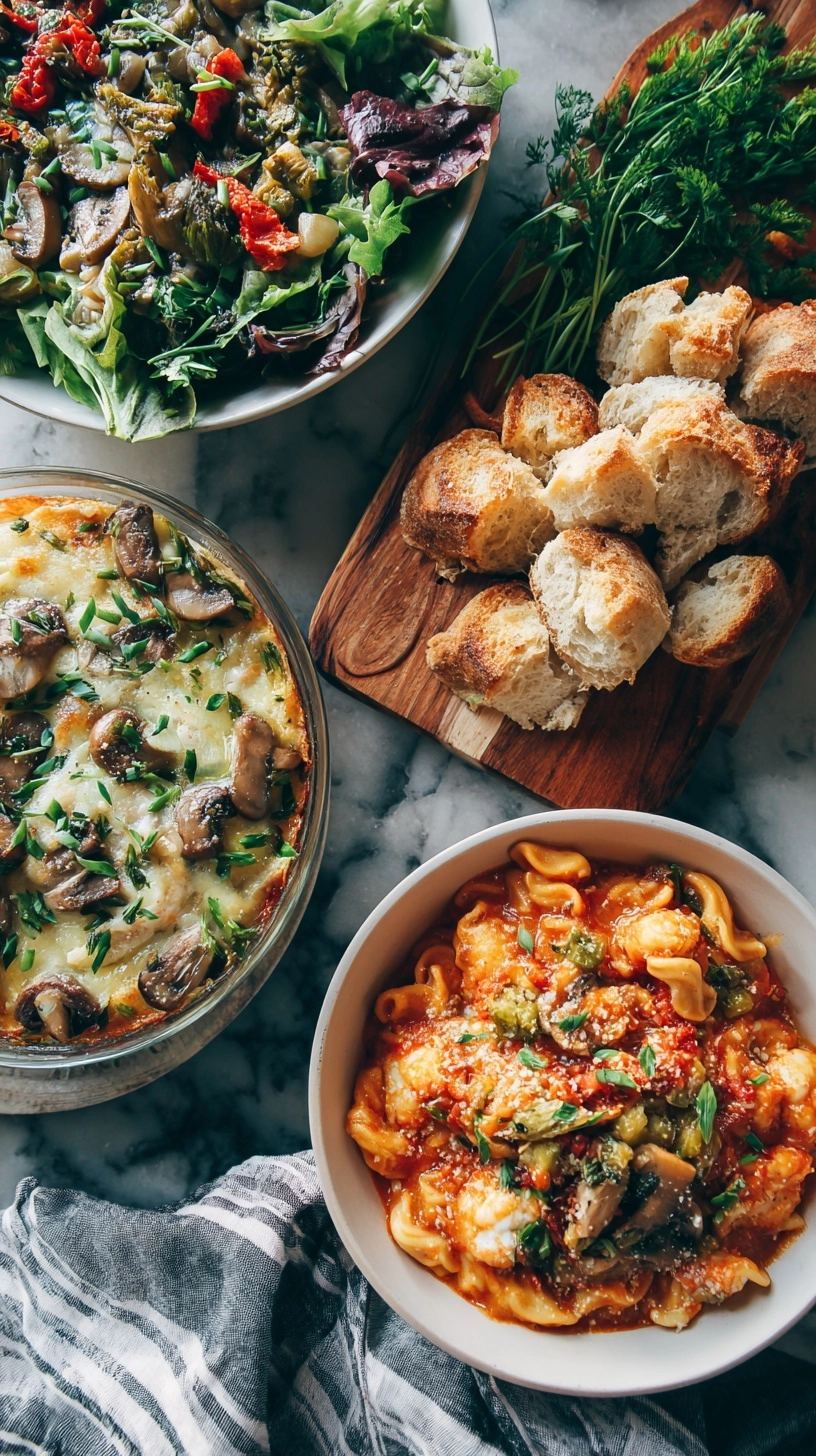
Transform this recipe into various dietary-friendly versions without sacrificing flavor. For keto enthusiasts, replace honey with sugar-free monk fruit sweetener and increase the olive oil slightly. Paleo followers can substitute coconut aminos for soy sauce and use raw honey. Plant-based eaters can swap salmon for a thick portobello mushroom cap or firm tofu, reducing cooking time by 2-3 minutes. For lower-carb options, replace potatoes with cauliflower florets or zucchini rounds, which will cook faster and reduce total carbs by more than half. Heart-healthy modifications include using avocado oil instead of olive oil and adding a handful of spinach in the final minute of vegetable roasting.
Serving Suggestions
Elevate your easy dinners for one that are too delicious to share by creating an Instagram-worthy presentation. Serve over a bed of fluffy quinoa or cauliflower rice for added texture contrast. Garnish with toasted sesame seeds, fresh cilantro, and a lime wedge for restaurant-style plating. For a Mediterranean twist, add a dollop of Greek yogurt mixed with fresh dill. Create a grain bowl by serving over brown rice with a sprinkle of everything bagel seasoning. For special occasions, pair with a simple arugula salad dressed with lemon vinaigrette, turning this single serving into a three-course experience.
Common Mistakes to Avoid
Overcooking salmon ranks as the #1 error—aim for slightly translucent centers as the fish continues cooking off-heat. Crowding vegetables prevents proper caramelization; use a larger pan if needed to maintain single layers. Not patting salmon dry results in poor searing and steaming instead of that coveted golden crust. Rushing the glaze is another pitfall—let it bubble and thicken naturally for optimal flavor concentration. Skipping the resting period after cooking prevents juices from redistributing, leading to dry fish. Finally, not preheating the oven adequately extends cooking times and affects vegetable texture.
Storing Tips for the Recipe
While this recipe shines when served immediately, proper storage extends its life beautifully. Refrigerate leftovers in an airtight container for up to 2 days, storing vegetables and salmon separately to maintain optimal textures. Reheat gently in a 300°F oven for 8-10 minutes rather than microwaving, which can dry out the fish. Meal prep components by pre-cutting vegetables and storing them in the refrigerator for up to 3 days, or prepare the glaze in advance and refrigerate for up to one week. Freezing isn’t recommended for cooked salmon as it affects texture, but you can freeze the glaze in ice cube trays for future single-serving portions.
FAQs
Q: Can I use frozen salmon for this recipe?
A: Absolutely! Thaw completely and pat extra dry, as frozen salmon releases more moisture. Add 1-2 extra minutes to cooking time and ensure internal temperature reaches 145°F.
Q: What if I don’t have honey?
A: Maple syrup, agave nectar, or even brown sugar dissolved in a tablespoon of warm water work beautifully. Each brings slightly different flavor notes while maintaining the glaze’s consistency.
Q: Can I make this recipe dairy-free?
A: This recipe is naturally dairy-free! Just ensure your chosen soy sauce or tamari doesn’t contain any hidden dairy ingredients.
Q: How do I know when salmon is perfectly cooked?
A: Look for flesh that flakes easily with a fork and has turned opaque pink throughout. The internal temperature should reach 145°F, but slightly translucent centers are perfectly safe and more flavorful.
Q: Can I substitute other vegetables?
A: Certainly! Asparagus, broccoli, carrots, or snap peas work wonderfully. Adjust cooking times based on vegetable density—softer vegetables need 5-8 minutes less roasting time.
Kitchen Mosaic Notes
Thanks for reading! Remember that nutritional values are approximate. For the best results, adapt this recipe to your specific dietary needs.