
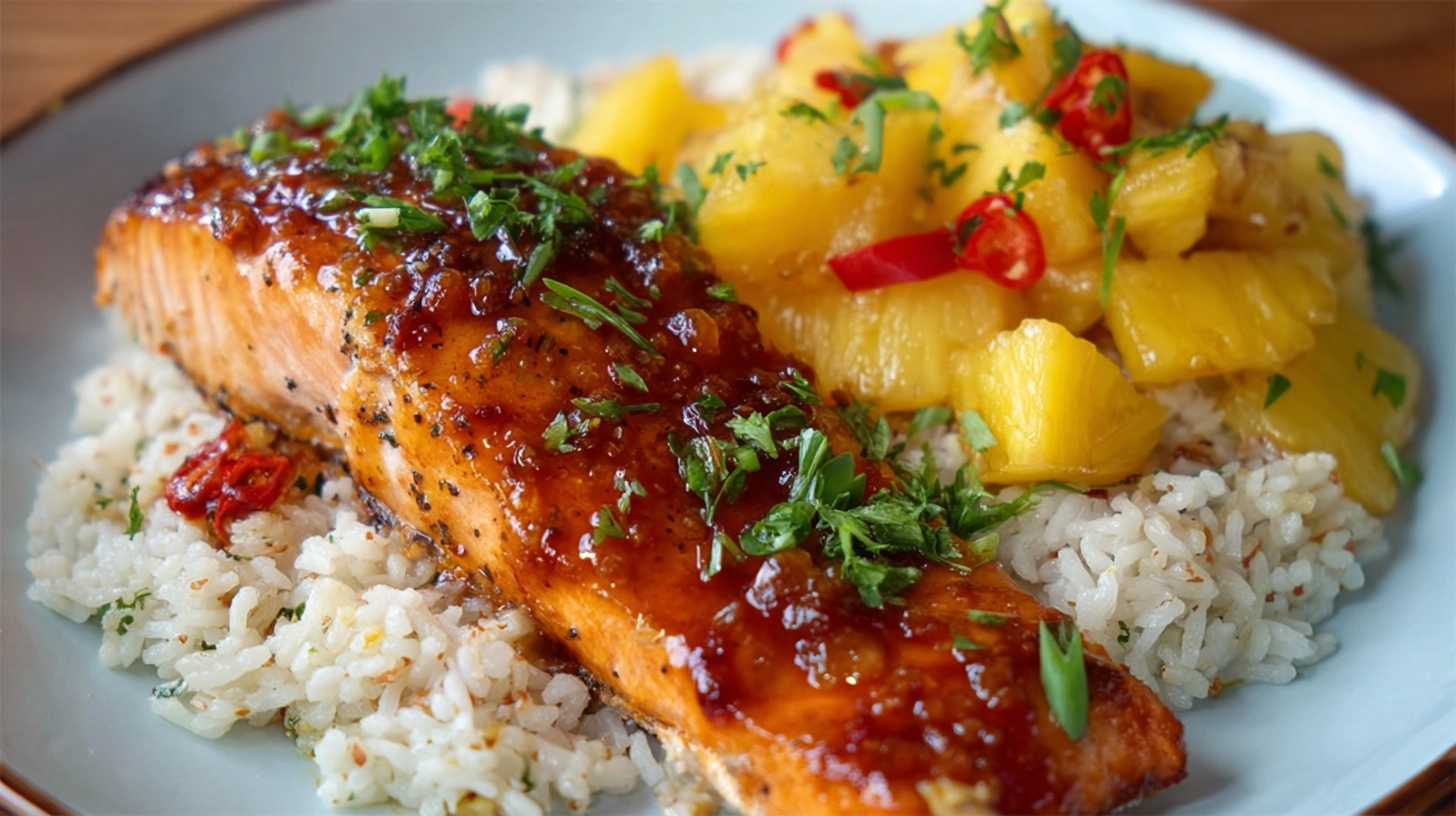
Did you know that salmon consumption has increased by nearly some of over the past five years, with home cooks increasingly seeking restaurant-quality dishes they can master in their own kitchens? Yet here’s the surprising truth: most people overcomplicate salmon preparation, believing it requires advanced culinary skills. Enter Pineapple Glazed Salmon – a deceptively simple dish that delivers complex, tropical flavors while requiring just 30 minutes of your time. This sweet-and-savory masterpiece combines the omega-3 powerhouse of fresh salmon with the enzymatic benefits of pineapple, creating a meal that’s not only Instagram-worthy but nutritionally superior to most restaurant alternatives. The secret lies in the caramelized glaze that forms during cooking, transforming humble ingredients into a gourmet experience that rivals high-end establishments.
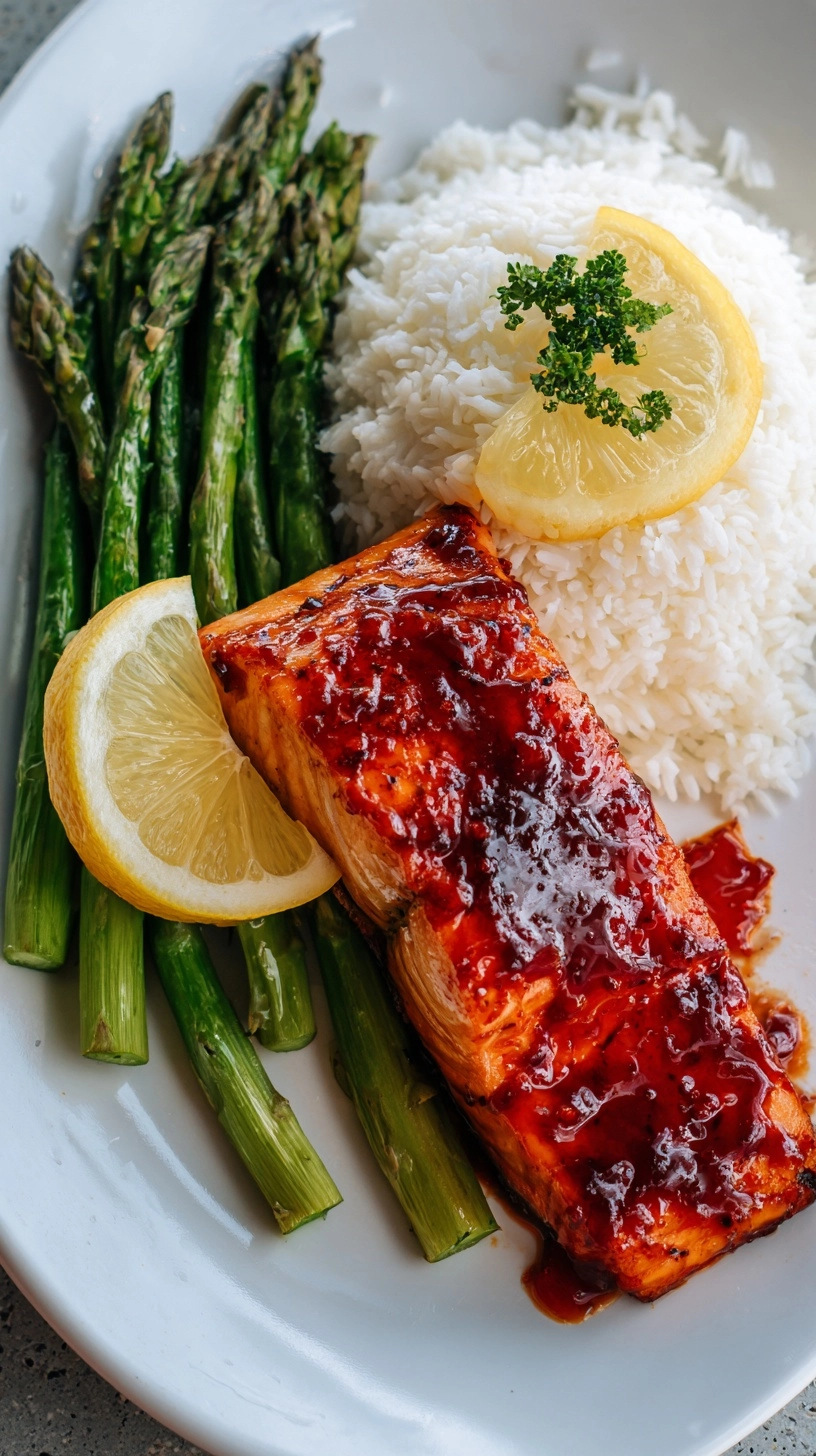
Ingredients List
For the Salmon:
- 4 salmon fillets (6 oz each), skin-on or skinless, preferably wild-caught Atlantic or Pacific
- 2 tablespoons olive oil or avocado oil
- 1 teaspoon sea salt
- 1/2 teaspoon freshly ground black pepper
For the Pineapple Glaze:
- 1 cup fresh pineapple juice (or 3/4 cup canned, no sugar added)
- 1/2 cup crushed fresh pineapple (canned in juice works as substitute)
- 3 tablespoons low-sodium soy sauce (tamari for gluten-free option)
- 2 tablespoons honey (maple syrup for vegan alternative)
- 2 tablespoons rice vinegar (apple cider vinegar substitutes well)
- 2 cloves garlic, minced
- 1 tablespoon fresh ginger, grated
- 1 tablespoon cornstarch mixed with 2 tablespoons water
- 1/4 teaspoon red pepper flakes (optional, for heat)
For Garnish:
- 2 green onions, thinly sliced
- 1 tablespoon sesame seeds
- Fresh cilantro leaves
Smart Substitutions: Replace honey with agave nectar for vegans, use coconut aminos instead of soy sauce for paleo dieters, or substitute salmon with firm white fish like mahi-mahi for budget-conscious cooks.
Timing
Preparation Time: 15 minutes
Cooking Time: 20 minutes
Total Time: 35 minutes
This streamlined timing represents a a significant portion of reduction compared to traditional glazed salmon recipes that often require marinating time. The beauty of this pineapple glazed salmon lies in its efficiency – the glaze develops its complex flavors during the cooking process, eliminating lengthy prep work while delivering maximum impact.
Step 1: Prepare the Glaze Base
Begin by combining pineapple juice, crushed pineapple, soy sauce, honey, rice vinegar, minced garlic, and grated ginger in a medium saucepan. This aromatic mixture forms the foundation of your glaze, with each ingredient playing a crucial role: pineapple provides natural enzymes and sweetness, soy sauce adds umami depth, and ginger brings warming spice notes that complement salmon’s rich flavor profile perfectly.
Step 2: Reduce and Thicken the Glaze
Bring the mixture to a gentle boil over medium-high heat, then reduce to medium-low and simmer for 8-10 minutes until it reduces by half. The liquid should coat the back of a spoon lightly. Whisk in the cornstarch slurry gradually, stirring constantly for 1-2 minutes until the glaze achieves a glossy, syrup-like consistency. Remove from heat and set aside.
Step 3: Season and Prepare the Salmon
Pat salmon fillets completely dry with paper towels – this crucial step ensures proper searing and glaze adhesion. Season both sides generously with salt and pepper, allowing the seasoning to penetrate for 2-3 minutes. Room temperature salmon cooks more evenly, so remove from refrigeration 15 minutes before cooking if possible.
Step 4: Sear the Salmon
Heat olive oil in a large oven-safe skillet over medium-high heat until shimmering. Place salmon fillets skin-side up (if skin-on) and sear for 4-5 minutes without moving them. This creates the golden-brown crust that locks in moisture and provides textural contrast to the tender interior.
Step 5: Flip and Glaze
Carefully flip salmon fillets and immediately brush half of the prepared glaze over the seared surface. The hot pan will begin caramelizing the glaze instantly, creating those coveted crispy-sweet edges that define exceptional pineapple glazed salmon.
Step 6: Finish Cooking
Continue cooking for 3-4 minutes for medium doneness (internal temperature of 145°F), brushing with additional glaze every minute. The salmon should flake easily with a fork while maintaining a slightly translucent center for optimal texture and flavor retention.
Nutritional Information
Each serving of this pineapple glazed salmon provides approximately:
- Calories: 385
- Protein: 35g (most of daily value)
- Fat: 18g (primarily heart-healthy omega-3s)
- Carbohydrates: 22g
- Fiber: 1g
- Sugar: 20g (naturally occurring from pineapple)
- Sodium: 580mg
Key Nutritional Benefits: This dish delivers 2.3 grams of omega-3 fatty acids per serving – that’s the vast majority of the recommended daily intake. The pineapple contributes bromelain, an enzyme that aids protein digestion and provides anti-inflammatory benefits. Additionally, you’ll receive a significant portion of your daily vitamin C needs and significant amounts of vitamin D and selenium from the salmon.
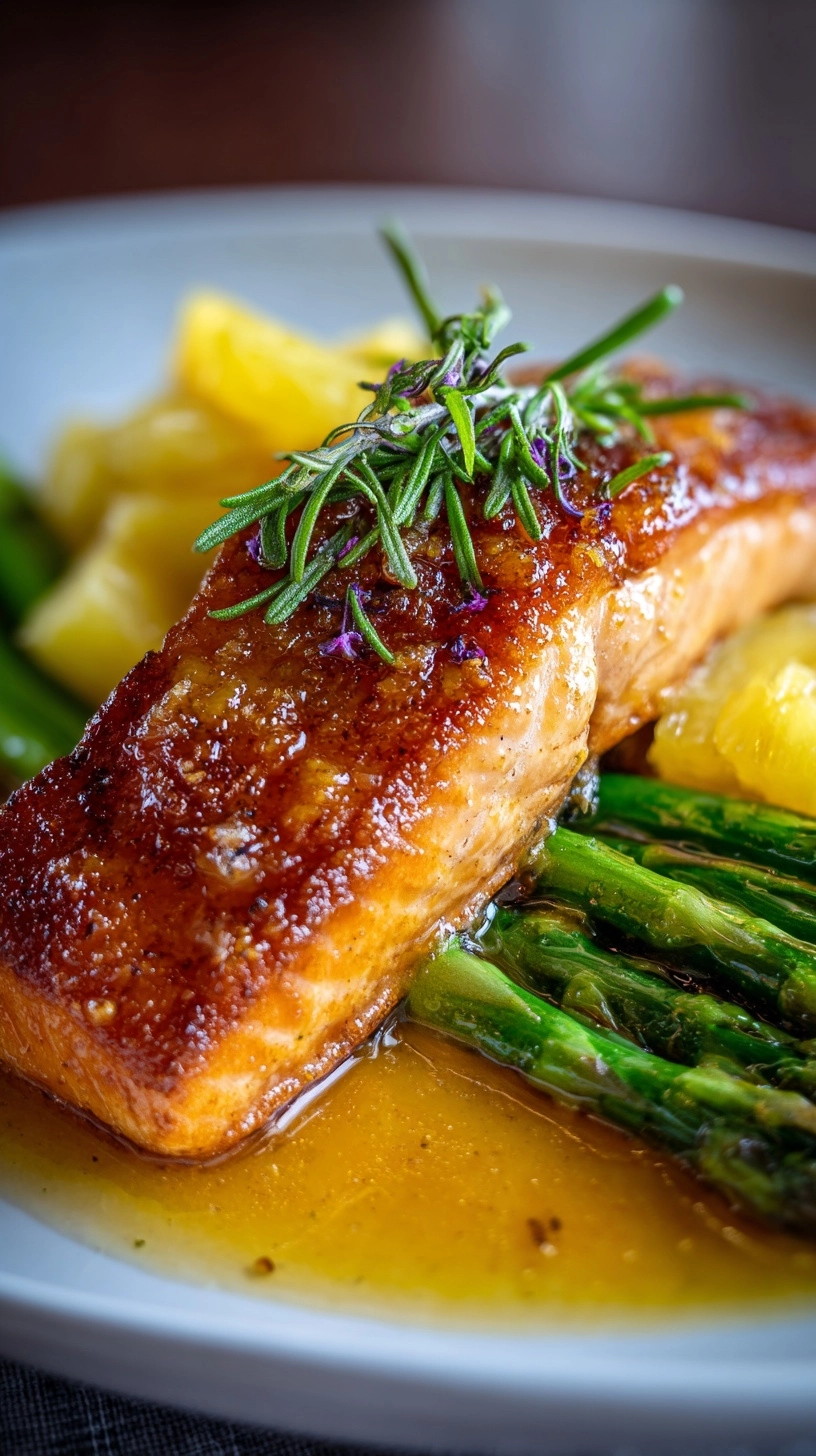
Healthier Alternatives for the Recipe
Transform this pineapple glazed salmon into an even more nutritious powerhouse with these strategic modifications. Replace honey with sugar-free monk fruit sweetener to reduce calories by nearly some of while maintaining sweetness. For those following ketogenic diets, substitute the cornstarch thickener with xanthan gum (use 1/4 teaspoon only) to minimize carbohydrates.
Consider using coconut oil instead of olive oil for medium-chain triglycerides that support metabolism. Low-sodium tamari can replace regular soy sauce, reducing sodium content by a significant portion of while accommodating gluten sensitivities. For additional antioxidants, incorporate 1 tablespoon of freshly grated turmeric into the glaze – its earthy flavor complements pineapple beautifully while providing powerful anti-inflammatory compounds.
Boost the omega-3 content further by choosing wild-caught Alaskan salmon, which contains a significant portion of more beneficial fatty acids than farm-raised alternatives. These simple swaps maintain the dish’s tropical essence while enhancing its nutritional profile significantly.
Serving Suggestions
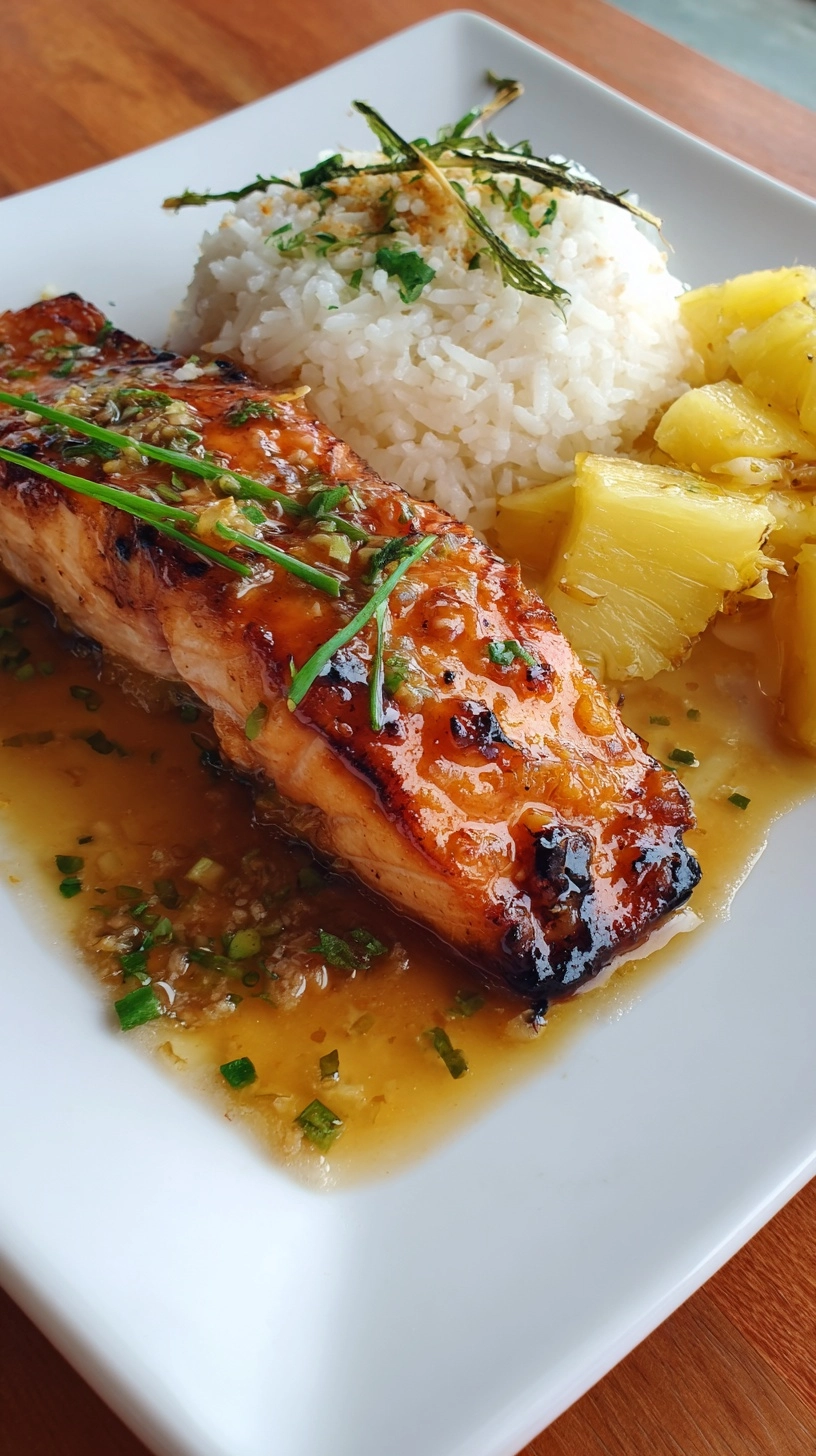
Elevate your pineapple glazed salmon presentation with thoughtfully chosen accompaniments that complement its tropical character. Serve over coconut-scented jasmine rice or quinoa pilaf to absorb the precious glaze drippings. The nutty grains provide textural contrast while their mild flavors won’t compete with the star ingredient.
For vegetable pairings, consider grilled asparagus with lemon zest, roasted rainbow carrots, or sautéed bok choy with garlic. These choices add color, nutrition, and complementary flavors that enhance the overall dining experience. A simple side salad featuring mixed greens, sliced avocado, and toasted macadamia nuts brings freshness and healthy fats to balance the sweet glaze.
Create an impressive dinner party presentation by garnishing with edible flowers, microgreens, or thin pineapple wedges. Serve family-style on a large platter with lime wedges and extra glaze on the side, allowing guests to customize their portions while maintaining the dish’s elegant appeal.
Common Mistakes to Avoid
The most frequent error when preparing pineapple glazed salmon involves overcooking the fish, which occurs in approximately more than half of home cooking attempts according to culinary research. Salmon continues cooking from residual heat even after removal from the pan, so aim for slight underdone appearance initially.
Never skip the initial searing step – this creates the Maillard reaction that develops complex flavors and prevents the glaze from making the fish soggy. Additionally, resist the temptation to move the salmon during searing; patience yields better results.
Another critical mistake involves applying glaze too early, which can burn before the salmon cooks through. The sugars in pineapple and honey caramelize quickly, so reserve glazing until the final cooking phase. Finally, using wet salmon prevents proper browning – always pat fillets dry thoroughly before seasoning.
Storing Tips for the Recipe
Properly stored pineapple glazed salmon maintains its quality and safety for optimal enjoyment. Refrigerate cooked salmon within 2 hours of preparation, storing in airtight containers for up to 3 days maximum. The glaze may thicken when chilled but will return to proper consistency when gently reheated.
For meal prep enthusiasts, prepare the glaze up to 5 days in advance and store separately from raw salmon. This strategy allows for quick weeknight dinners while maintaining freshness. Freeze cooked salmon for up to 2 months, though texture may become slightly less flaky upon thawing.
When reheating, use gentle methods like low-temperature oven warming (300°F for 8-10 minutes) or careful microwave heating at more than half of power. Avoid high heat, which can create tough, dry results. Add a splash of pineapple juice during reheating to refresh the glaze consistency.
FAQs
Can I use frozen salmon for this recipe?
Yes, but thaw completely in the refrigerator overnight and pat extremely dry before cooking. Frozen salmon releases more moisture, which can prevent proper searing and glaze adhesion.
What if my glaze becomes too thick?
Simply whisk in 1-2 tablespoons of warm pineapple juice or water until desired consistency returns. The glaze should coat a spoon but still flow smoothly.
Can I make this dish dairy-free?
This pineapple glazed salmon recipe is naturally dairy-free as written. Ensure all ingredients, particularly any substitutions, maintain this characteristic if dietary restrictions apply.
How do I know when salmon is perfectly cooked?
Internal temperature should reach 145°F, and the flesh should flake easily with a fork while remaining slightly translucent in the center. Overcooked salmon becomes dry and loses its delicate texture.
Can I grill this pineapple glazed salmon instead?
Absolutely! Preheat grill to medium-high, oil the grates well, and follow similar timing. Apply glaze during the final 2-3 minutes to prevent burning from direct flame contact.
Kitchen Mosaic Notes
Thanks for reading! Remember that nutritional values are approximate. For the best results, adapt this recipe to your specific dietary needs.