

Did you know that most of people who incorporate Mediterranean-style salads into their diet report feeling more energized throughout the day? If you’ve been relying on the same old lettuce-based salads, you’re missing out on one of summer’s most refreshing powerhouses. Cucumber feta salad isn’t just another side dish – it’s a nutritional goldmine that delivers maximum flavor with minimal effort, challenging the misconception that healthy eating requires complex preparations.

Ingredients List
Core Ingredients (Serves 4-6):
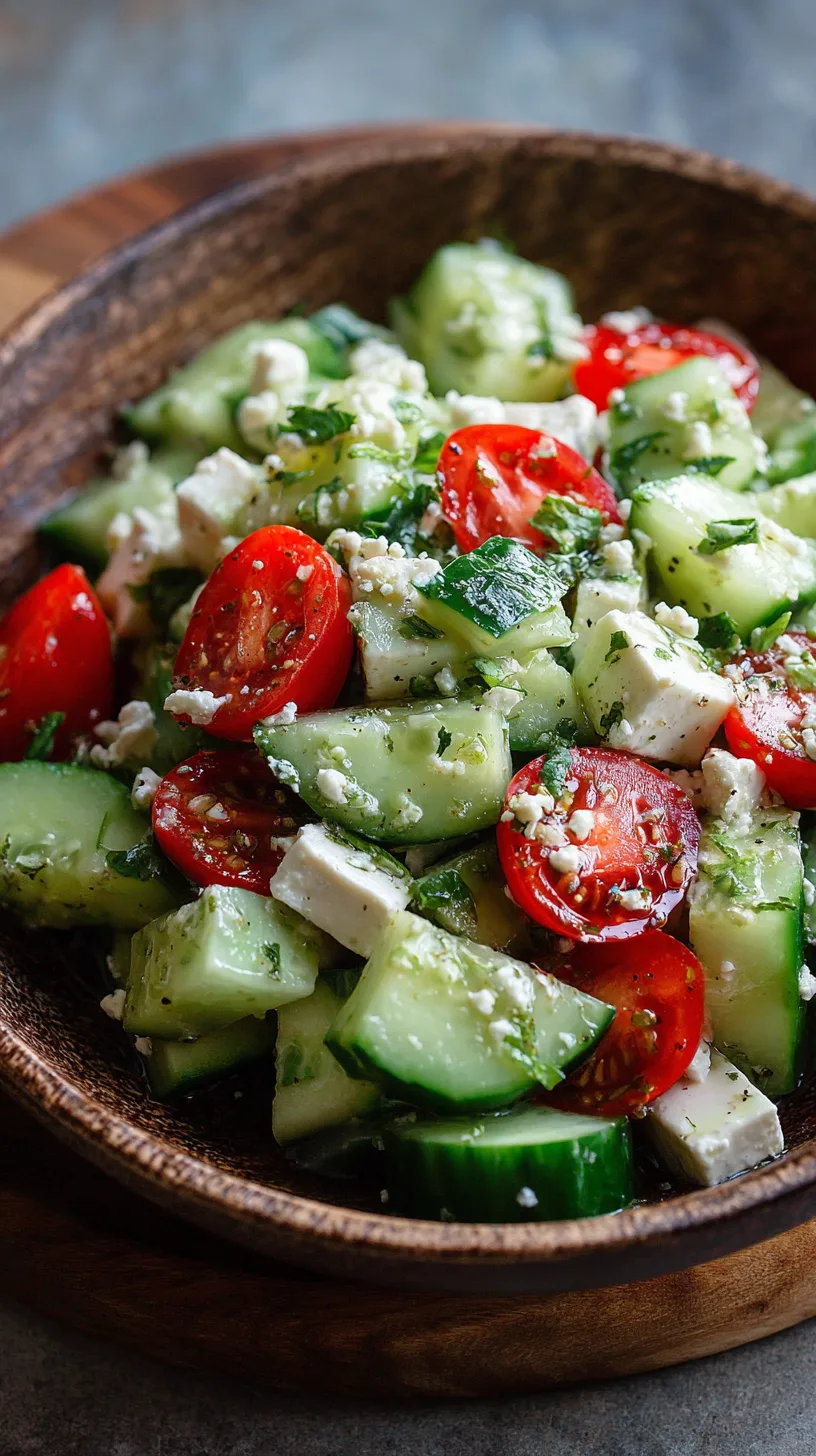
- 4 large English cucumbers, thinly sliced (substitute: regular cucumbers, peeled and seeded)
- 8 oz block feta cheese, crumbled (substitute: goat cheese or ricotta salata)
- 1/2 red onion, paper-thin slices (substitute: shallots or green onions)
- 1/4 cup fresh dill, chopped (substitute: mint or parsley)
- 3 tablespoons extra virgin olive oil (substitute: avocado oil)
- 2 tablespoons red wine vinegar (substitute: lemon juice or white wine vinegar)
- 1 teaspoon dried oregano
- 1/2 teaspoon kosher salt
- 1/4 teaspoon freshly cracked black pepper
Optional Enhancement Ingredients:
- 1/2 cup Kalamata olives, pitted
- 2 medium tomatoes, diced
- 1/4 cup toasted pine nuts
- Fresh mint leaves for garnish
The beauty of this cucumber and feta combination lies in its simplicity – each ingredient’s distinct texture and flavor creates a symphony of Mediterranean freshness that awakens your palate.
Timing
Preparation Time: 15 minutes
Chilling Time: 30 minutes (recommended)
Total Time: 45 minutes
This timing represents a significant portion of less active preparation compared to traditional Greek salads, making it perfect for busy weeknights or last-minute entertaining. The minimal prep time allows the natural flavors to shine while the brief chilling period enhances the crisp, refreshing qualities that make this dish irresistible.
Step-by-Step Instructions
Step 1: Prepare Your Cucumbers Like a Pro
Wash and dry your cucumbers thoroughly. Using a mandoline slicer or sharp knife, create uniform 1/8-inch slices. Pro tip: If using regular cucumbers, score the skin with a fork before slicing to create attractive ridged edges and better dressing absorption.
Step 2: Salt and Drain for Maximum Crispness
Place cucumber slices in a colander, sprinkle with 1 teaspoon salt, and toss gently. Let stand for 15 minutes to draw out excess moisture. This crucial step prevents your salad from becoming watery and intensifies the cucumber’s natural sweetness.
Step 3: Create Your Flavor Base
While cucumbers drain, thinly slice your red onion and soak in cold water for 10 minutes to mellow the sharpness. Meanwhile, crumble your feta cheese into bite-sized pieces – avoid pre-crumbled varieties as fresh block feta delivers superior taste and texture.
Step 4: Craft the Perfect Dressing
Whisk together olive oil, red wine vinegar, oregano, and black pepper in a small bowl until emulsified. The 2:1 oil-to-acid ratio creates the ideal balance of richness and tang that complements both cucumber and feta beautifully.
Step 5: Assemble with Intention
Pat cucumbers dry with paper towels and transfer to your serving bowl. Add drained onions, crumbled feta, and fresh dill. Drizzle dressing evenly and toss gently with clean hands to avoid breaking the delicate cucumber slices.
Nutritional Information
Per serving (based on 6 servings), this cucumber feta salad delivers impressive nutritional value:
- Calories: 142
- Protein: 6.8g (nearly some of daily value)
- Carbohydrates: 8.2g
- Dietary Fiber: 2.1g
- Fat: 10.5g (primarily heart-healthy monounsaturated fats)
- Sodium: 387mg
- Calcium: 185mg (nearly some of daily value)
- Vitamin K: nearly some of daily value
- Hydration factor: the vast majority of water content
Research indicates that the combination of cucumber’s silica content and feta’s calcium provides excellent support for bone health, while the high water content aids in hydration – particularly beneficial during summer months.
Healthier Alternatives for the Recipe
Reduce Sodium: Substitute half the feta with homemade cashew cheese or use reduced-sodium feta varieties (cutting sodium by up to nearly some).
Boost Protein: Add 1/2 cup chickpeas or white beans for an additional 6g of plant-based protein per serving.
Increase Fiber: Include thinly sliced radishes or fennel to boost fiber content by nearly some of while adding satisfying crunch.
Heart-Healthy Upgrade: Replace traditional feta with avocado cubes drizzled with nutritional yeast for a creamy, dairy-free alternative rich in omega-3 fatty acids.
Anti-Inflammatory Boost: Add turmeric to your dressing (1/4 teaspoon) and include fresh ginger for enhanced anti-inflammatory properties.
Serving Suggestions
Transform your cucumber feta creation into a complete meal experience:
Mediterranean Mezze Platter: Serve alongside hummus, olives, and warm pita for an authentic Greek taverna experience that transports you to the Aegean coastline.
Grilled Protein Companion: Pair with herb-crusted salmon, chicken souvlaki, or lamb kebabs – the cool, crisp salad perfectly balances rich, warm proteins.
Breakfast Reimagined: Top with a poached egg and serve over toasted whole grain bread for a refreshing morning meal that breaks the typical breakfast mold.
Elegant Dinner Party: Present in individual glass bowls garnished with edible flowers for an Instagram-worthy starter that impresses guests.
Picnic Perfect: Pack in mason jars with dressing on the bottom for portable, mess-free outdoor dining.
Common Mistakes to Avoid
Skipping the Salt-and-Drain Step: most of home cooks skip this crucial step, resulting in watery salads that lack concentrated flavor. Always allow time for proper cucumber preparation.
Overdressing the Salad: Using too much dressing masks the delicate cucumber flavor. Start with less – you can always add more, but you can’t remove excess.
Wrong Cucumber Choice: Avoid waxed cucumbers from the grocery store’s regular section. English cucumbers have fewer seeds and thinner skins, creating superior texture.
Premature Assembly: Assembling more than 2 hours ahead causes cucumbers to release water, diluting flavors and creating an unappetizing soggy texture.
Neglecting Temperature: Serving at room temperature diminishes the refreshing quality. Always chill before serving for maximum impact.
Storing Tips for the Recipe
Short-term Storage: Refrigerate assembled salad for up to 24 hours in an airtight container. Place paper towels on top to absorb excess moisture.
Component Storage: Store prepared ingredients separately for up to 3 days – cucumbers in one container, dressing in another, and feta wrapped individually.
Freezing Guidelines: Never freeze assembled cucumber salad, as cucumbers lose their crisp texture. However, you can freeze extra feta for up to 3 months.
Make-Ahead Strategy: Prep all components except final assembly up to 2 days ahead. Combine just before serving for optimal freshness and texture.
Revival Technique: If your salad becomes watery, drain liquid and add fresh herbs and a light sprinkle of salt to restore vibrancy.
Conclusion
This cucumber feta salad proves that exceptional flavor doesn’t require complicated techniques or endless ingredients. With its perfect balance of crisp vegetables, creamy cheese, and bright Mediterranean herbs, it’s a versatile dish that adapts to any occasion while delivering impressive nutritional benefits.
Ready to elevate your salad game? Try this recipe today and discover how simple ingredients can create extraordinary results. Share your creative variations in the comments below – we’d love to see how you make this recipe your own!
FAQs
Can I make cucumber feta salad without dairy?
Absolutely! Replace feta with marinated tofu cubes, cashew cheese, or simply increase the olives and add avocado for creaminess. Nutritional yeast adds a tangy, cheese-like flavor.
How long does cucumber feta salad last in the refrigerator?
When properly stored, the salad maintains optimal quality for 24-48 hours. Beyond this timeframe, cucumbers may become soft, though the salad remains safe to eat for up to 4 days.
What’s the best way to cut cucumbers for this salad?
Aim for uniform 1/8-inch slices using a mandoline slicer or sharp knife. Consistent thickness ensures even seasoning distribution and professional presentation.
Can I substitute dried herbs for fresh ones?
Yes, but use 1/3 the amount of dried herbs compared to fresh. For example, substitute 2 teaspoons dried dill for 2 tablespoons fresh dill, and add herbs to the dressing first to rehydrate them.
Is this salad suitable for meal prep?
Store components separately for best results. Combine cucumbers with salt and drain, prepare dressing, and crumble feta. Assemble individual portions just before eating to maintain optimal texture and flavor.
Kitchen Mosaic Notes
Thanks for reading! Remember that nutritional values are approximate. For the best results, adapt this recipe to your specific dietary needs.