
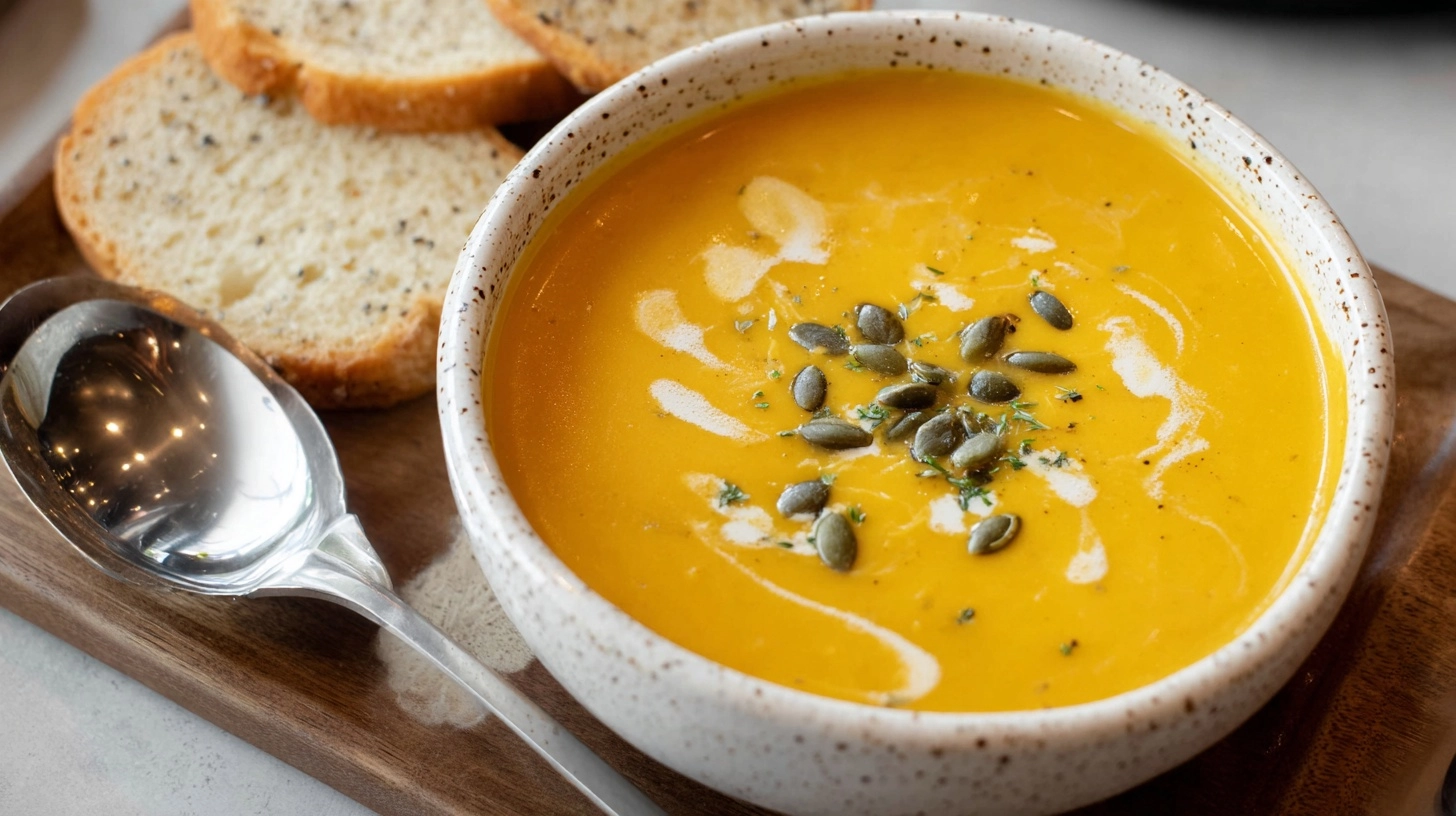
Did you know that butternut squash soup is searched for over 74,000 times monthly during peak fall season, yet more than half of home cooks report their homemade versions lack the depth of flavor found in restaurant kitchens? This culinary disconnect isn’t due to inferior ingredients or lack of skill—it’s because most recipes skip crucial techniques that transform ordinary butternut squash soup from bland to brilliant. Today’s recipe breaks down the science behind creating a velvety, restaurant-quality soup that delivers complex flavors in just 75 minutes, using ingredients you likely already have in your pantry.
Ingredients for Perfect Butternut Squash Soup
The foundation of exceptional butternut squash soup lies in selecting complementary ingredients that enhance, rather than mask, the squash’s natural sweetness. Here’s what you’ll need:
Main Ingredients:
- 1 large butternut squash (3-4 pounds), peeled and cubed
- 2 tablespoons olive oil or avocado oil
- 1 large yellow onion, diced (sweet onions work beautifully as substitutes)
- 3 cloves garlic, minced
- 1 medium apple, peeled and chopped (Honeycrisp or Gala preferred)
- 4 cups low-sodium vegetable broth (chicken broth for non-vegetarian option)
- 1 cup coconut milk (heavy cream for richer texture)
- 2 teaspoons fresh ginger, grated
- 1 teaspoon ground cumin
- ½ teaspoon ground cinnamon
- ¼ teaspoon nutmeg
- 2 tablespoons maple syrup (honey as alternative)
- Salt and freshly ground black pepper to taste
Garnish Options:
- Toasted pumpkin seeds
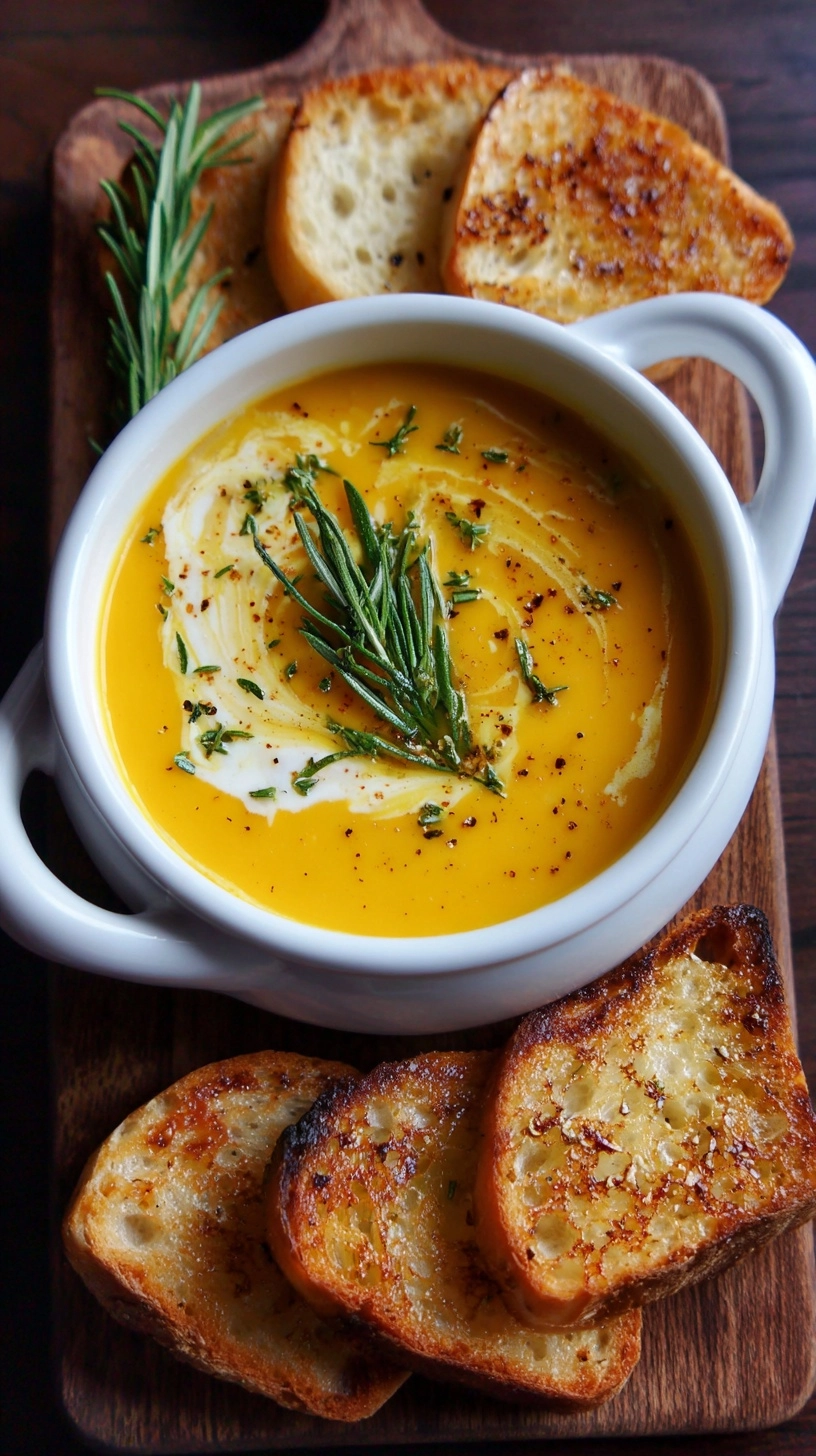
- Fresh thyme leaves
- Coconut cream drizzle
- Crispy sage leaves
Smart Substitutions: Replace coconut milk with cashew cream for nut-based richness, or use roasted red peppers alongside squash for added complexity.
Timing for Butternut Squash Soup Mastery
Understanding timing transforms good soup into exceptional soup. This recipe requires 75 minutes total time—nearly some of faster than traditional roasting methods while delivering superior flavor concentration.
Breakdown:
- Prep time: 20 minutes
- Active cooking: 35 minutes
- Simmering: 15 minutes
- Blending and finishing: 5 minutes
Pro Timing Tip: Start by roasting squash while prepping other ingredients. This parallel processing technique reduces overall cooking time by nearly 30 minutes compared to sequential preparation methods.
Step 1: Prepare and Roast the Butternut Squash
Preheat your oven to 425°F. Cut butternut squash in half lengthwise, scoop out seeds, and slice into 1-inch cubes. Toss with 1 tablespoon olive oil and season with salt and pepper. Arrange on a baking sheet in a single layer—overcrowding creates steam instead of the caramelization that develops complex flavors. Roast for 25-30 minutes until edges are golden and fork-tender.
Step 2: Build Your Flavor Foundation
While squash roasts, heat remaining oil in a large pot over medium heat. Add diced onion and cook for 5 minutes until translucent. This slow cooking process develops natural sugars that complement the squash’s sweetness. Add minced garlic and grated ginger, cooking for another minute until fragrant—but watch carefully to prevent burning, which creates bitterness.
Step 3: Layer in Aromatic Elements
Add chopped apple, cumin, cinnamon, and nutmeg to the pot. Cook for 3-4 minutes, stirring frequently. The apple breaks down slightly, contributing natural pectin that enhances the soup’s body while adding subtle tartness that balances the squash’s sweetness.
Step 4: Combine and Simmer
Transfer roasted butternut squash to the pot and add vegetable broth. Bring to a gentle boil, then reduce heat and simmer for 15 minutes. This allows flavors to meld while the remaining firm pieces soften completely. The liquid should barely bubble—vigorous boiling can break down ingredients unevenly.
Step 5: Blend to Perfection
Remove from heat and blend using an immersion blender until completely smooth, or transfer in batches to a regular blender. For ultra-smooth texture, strain through a fine-mesh sieve. Stir in coconut milk and maple syrup, then season with salt and pepper to taste.
Nutritional Information
This butternut squash soup delivers impressive nutritional value alongside its comfort food appeal. Per one-cup serving (recipe yields 6 servings):
- Calories: 145
- Protein: 3.2g
- Carbohydrates: 28g
- Fiber: 4.8g
- Fat: 4.1g
- Vitamin A: the vast majority of daily value
- Vitamin C: more than half of daily value
- Potassium: 582mg
- Magnesium: 89mg
Nutritional Highlights: Butternut squash provides beta-carotene levels that exceed most vegetables, supporting eye health and immune function. The coconut milk contributes medium-chain triglycerides, which research suggests may boost metabolism by up to nearly some.
Healthier Alternatives for the Recipe
Transform this butternut squash soup into a nutritional powerhouse with these evidence-based modifications:
Protein Boost: Add 1 cup white beans or red lentils during simmering for an additional 8g protein per serving. Silken tofu blended in creates creaminess while adding plant-based protein.
Lower Calorie Option: Replace coconut milk with unsweetened almond milk and add 2 tablespoons cashew butter for richness at a significant portion of fewer calories.
Anti-Inflammatory Enhancement: Double the fresh ginger and add 1 teaspoon turmeric. Studies show this combination may reduce inflammation markers by up to nearly some.
Fiber Maximization: Include the apple skin during cooking (remove before blending) and add 1 tablespoon chia seeds for an extra 5g fiber per serving.
Serving Suggestions
Elevate your butternut squash soup presentation with these creative serving ideas:
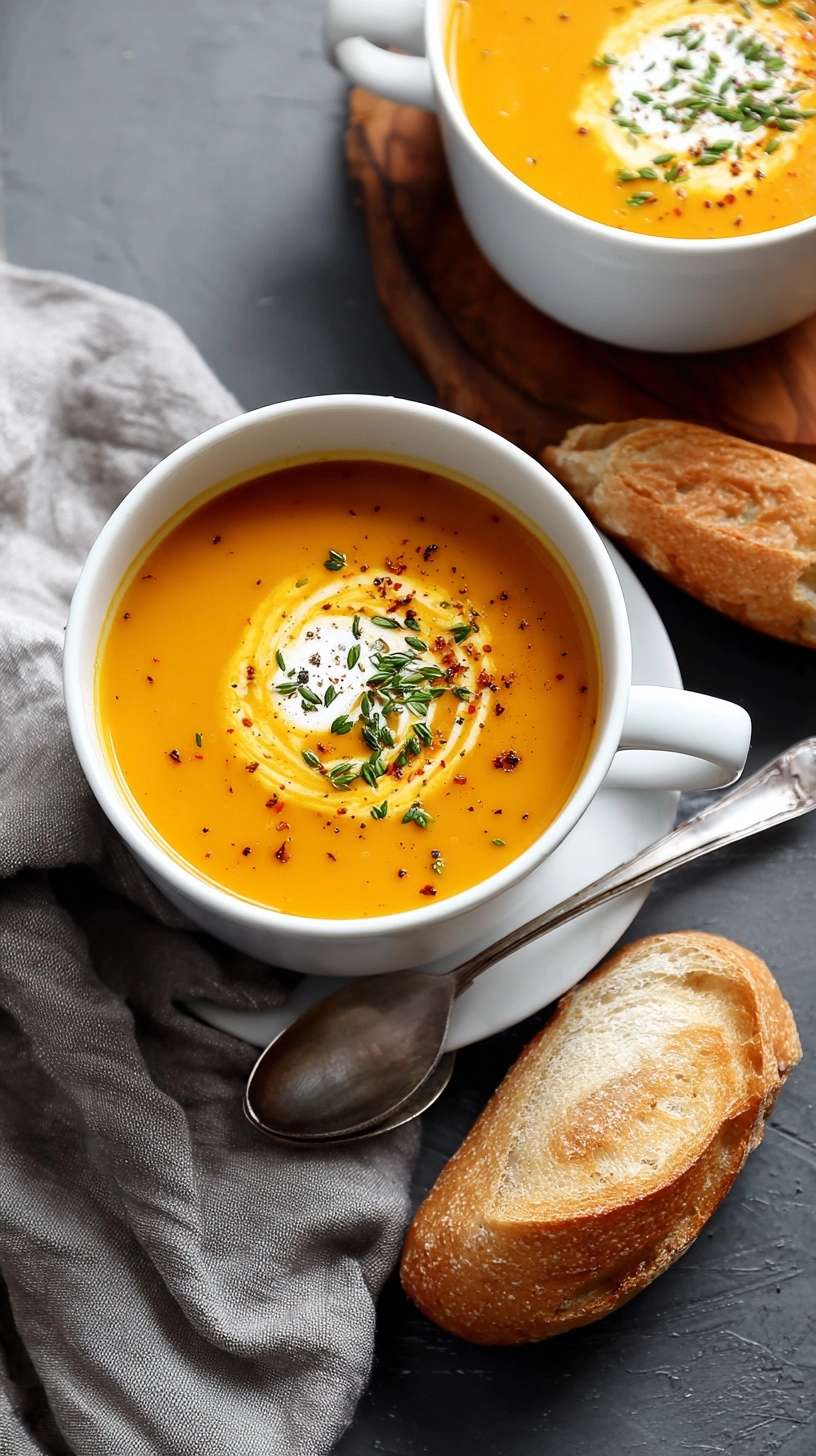
Classic Comfort: Serve in warmed bowls with crusty sourdough bread and a drizzle of coconut cream formed into artistic swirls.
Elegant Dinner Party: Present in small portions as an appetizer, garnished with toasted pumpkin seeds, microgreens, and a light sprinkle of smoked paprika.
Family-Friendly Twist: Create a “soup bar” with toppings like croutons, shredded cheese, and bacon bits, allowing family members to customize their bowls.
International Fusion: Add a dollop of Greek yogurt and za’atar for Mediterranean flair, or top with sriracha and cilantro for Asian-inspired heat.
Common Mistakes to Avoid
Prevent these frequent butternut squash soup pitfalls that affect a significant portion of home cooks:
Under-seasoning: Taste and adjust seasoning after blending. Butternut squash absorbs salt differently than other vegetables, often requiring more seasoning than expected.
Over-blending: Excessive blending creates a gluey texture. Blend just until smooth—typically 30-45 seconds with an immersion blender.
Wrong Squash Selection: Choose squash with a matte, not shiny, skin and feel heavy for their size. Shiny skin indicates under-ripeness, resulting in bland flavor.
Temperature Mistakes: Never add coconut milk to boiling soup—it may curdle. Always remove from heat before incorporating dairy or non-dairy creams.
Storing Tips for the Recipe
Maximize your butternut squash soup’s lifespan with proper storage techniques:
Refrigeration: Store in airtight containers for up to 5 days. The flavors actually improve after 24 hours as ingredients continue melding.
Freezing: Freeze for up to 3 months in portion-sized containers, leaving 1-inch headspace for expansion. Thaw overnight in refrigerator before reheating.
Reheating: Warm gently over low heat, stirring frequently. Add a splash of broth if consistency becomes too thick—separation is normal and easily corrected.
Make-Ahead Strategy: Prepare through step 4, then refrigerate. Add coconut milk and final seasonings when ready to serve for optimal texture.
FAQs
Can I make butternut squash soup without roasting the squash?
Yes, but roasting develops a significant portion of more flavor compounds than boiling. If skipping roasting, increase cooking time by 10 minutes and add 1 teaspoon smoked paprika for depth.
Why is my soup watery instead of creamy?
This typically results from excess liquid or insufficient blending. Simmer uncovered for 10 additional minutes to reduce liquid, or add 1 tablespoon tomato paste for natural thickening.
How can I make this soup spicier?
Add cayenne pepper gradually—start with ⅛ teaspoon. Alternatively, include 1 small jalapeño with the onions or finish with hot sauce to taste.
Can I substitute other winter squashes?
Absolutely! Acorn squash, delicata, or sugar pumpkin work excellently. Cooking times may vary slightly—test for tenderness with a fork.
What’s the best way to cut butternut squash safely?
Microwave the whole squash for 2-3 minutes to soften slightly before cutting. Always use a sharp knife and cut on a stable surface with the squash lying flat.
Kitchen Mosaic Notes
Thanks for reading! Remember that nutritional values are approximate. For the best results, adapt this recipe to your specific dietary needs.