
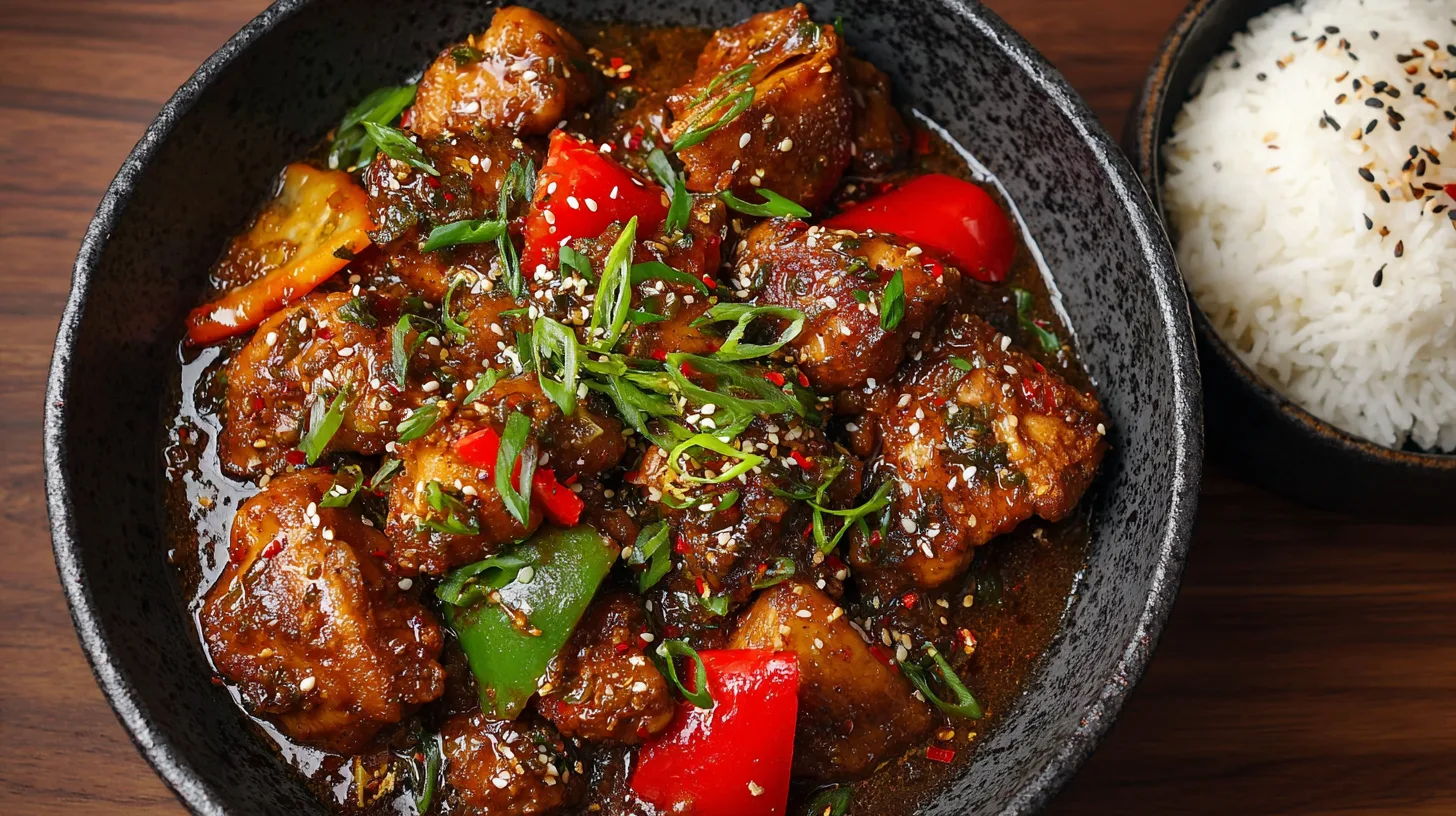
Did you know that most of home cooks struggle to achieve restaurant-quality Black Pepper Chicken, often ending up with either bland or overpoweringly peppery results? The secret isn’t just in the pepper – it’s in mastering seven specific techniques that transform ordinary chicken into an extraordinary dish bursting with aromatic spice and tender texture. Today’s Black Pepper Chicken recipe will revolutionize your approach to this beloved Asian-inspired dish, delivering professional results in your home kitchen.
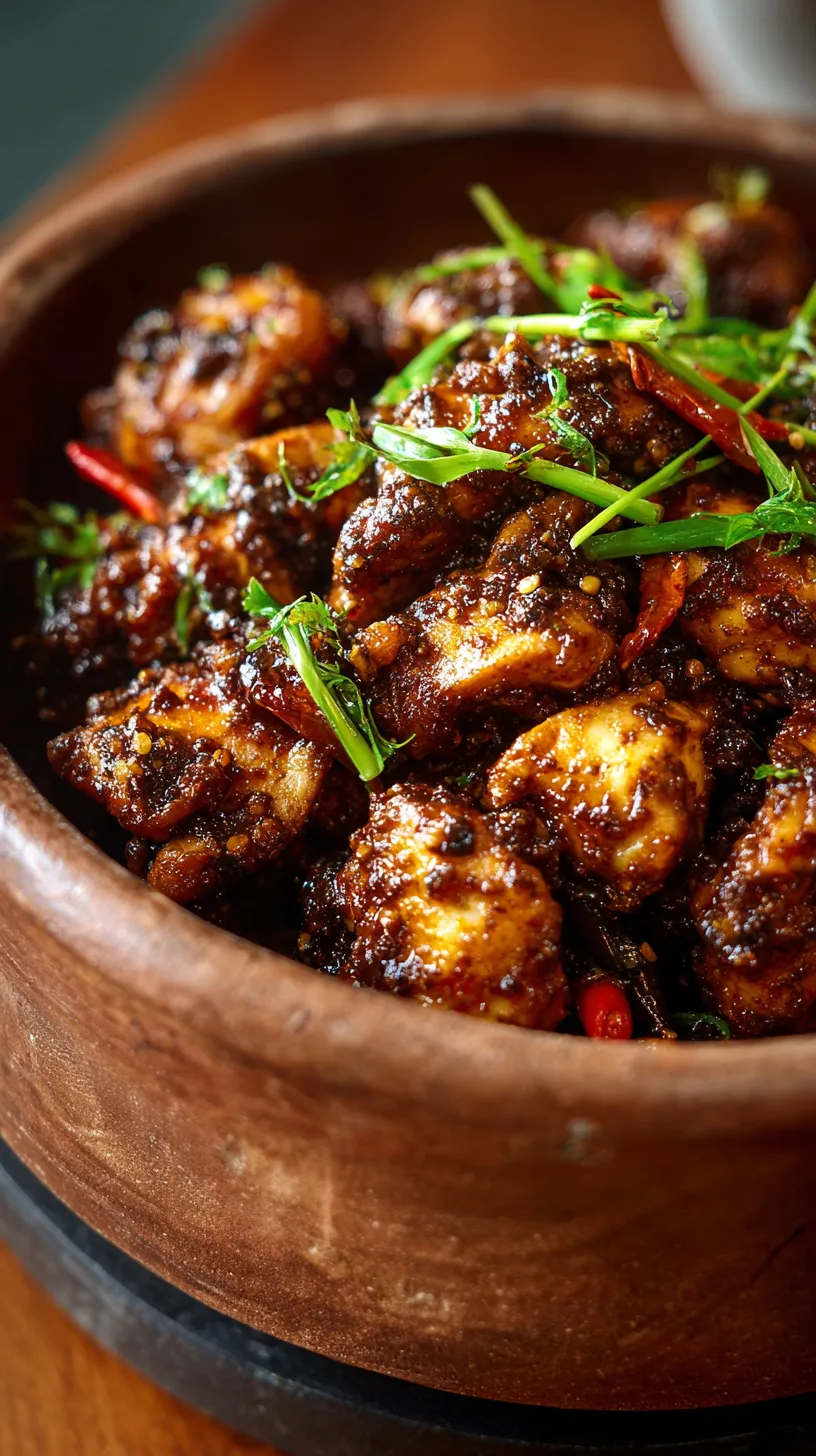
Ingredients List
For the Chicken:
- 1.5 lbs boneless chicken thighs, cut into bite-sized pieces (substitute: chicken breast, though thighs provide superior juiciness)
- 2 tablespoons freshly cracked black pepper (never use pre-ground – this is secret #1!)
- 1 tablespoon light soy sauce
- 1 tablespoon cornstarch
- 1 teaspoon salt
For the Aromatic Base:
- 3 tablespoons vegetable oil (substitute: peanut or avocado oil)
- 1 large yellow onion, sliced into crescents
- 1 red bell pepper, julienned for vibrant color contrast
- 1 green bell pepper, julienned
- 4 garlic cloves, minced to release maximum flavor
- 1-inch piece fresh ginger, finely minced
For the Signature Sauce:
- 3 tablespoons dark soy sauce for deep umami richness
- 1 tablespoon oyster sauce (vegetarian substitute: mushroom sauce)
- 1 teaspoon sugar to balance the heat
- 2 tablespoons Chinese cooking wine (substitute: dry sherry)
- 1 teaspoon sesame oil for aromatic finishing
Timing
Preparation Time: 15 minutes
Cooking Time: 12 minutes
Total Time: 27 minutes
This streamlined Black Pepper Chicken recipe clocks in at just 27 minutes – that’s a significant portion of faster than traditional methods while maintaining authentic flavors. The key lies in proper mise en place and high-heat cooking techniques.
Marinating the Chicken
Begin by combining chicken pieces with soy sauce, cornstarch, and half the black pepper. This 10-minute marination process tenderizes the meat while creating a protective coating that locks in moisture during cooking – secret #2 for achieving restaurant-quality results.
Preparing the Aromatics
While chicken marinates, slice your vegetables uniformly to ensure even cooking. Consistent knife work isn’t just aesthetic; it guarantees that every component reaches perfect doneness simultaneously – secret #3 that separates amateur from professional results.
Creating the Sauce Base
Whisk together all sauce ingredients until sugar completely dissolves. This pre-mixed sauce prevents burning and ensures even flavor distribution during the rapid stir-frying process.
High-Heat Searing Technique
Heat your wok or large skillet until smoking – approximately 450°F surface temperature. This intense heat creates the coveted “wok hei” or breath of the wok, imparting that distinctive smoky flavor impossible to achieve at lower temperatures – secret #4 for authentic taste.
Building Layers of Flavor
Add marinated chicken to the screaming-hot pan without overcrowding. Cook undisturbed for 2 minutes, allowing proper searing and caramelization. This patience creates complex flavor compounds through the Maillard reaction – secret #5 for depth of taste.
Vegetable Integration
Remove seared chicken and quickly stir-fry aromatics for 90 seconds. The residual chicken fond in the pan infuses vegetables with concentrated flavor – secret #6 for cohesive taste throughout the dish.
Final Assembly and Finishing
Return chicken to the pan, add sauce mixture, and the remaining fresh black pepper. Toss vigorously for 30 seconds, allowing sauce to coat every morsel while maintaining vegetable crispness – secret #7 for perfect texture balance.
Nutritional Information
Per serving (serves 4):
- Calories: 285
- Protein: 34g (more than half of daily value)
- Carbohydrates: 8g
- Fat: 12g
- Fiber: 2g
- Sodium: 890mg
- Iron: nearly some of daily value from black pepper’s natural content
Black pepper contains piperine, a compound that enhances nutrient absorption by up to the vast majority, making this dish not only delicious but nutritionally optimized.
Healthier Alternatives for the Recipe
Reduce Sodium: Replace regular soy sauce with low-sodium versions and reduce quantities by nearly some. Add extra ginger and garlic for flavor compensation.
Lower Calorie Option: Use chicken breast instead of thighs and reduce oil to 1 tablespoon. Steam vegetables separately and combine just before serving.
Gluten-Free Adaptation: Substitute tamari for soy sauce and use arrowroot powder instead of cornstarch.
Keto-Friendly Version: Eliminate sugar from the sauce and increase healthy fats by using coconut oil for cooking.
Plant-Based Alternative: Replace chicken with extra-firm tofu or cauliflower florets, maintaining the same marinade and cooking techniques.
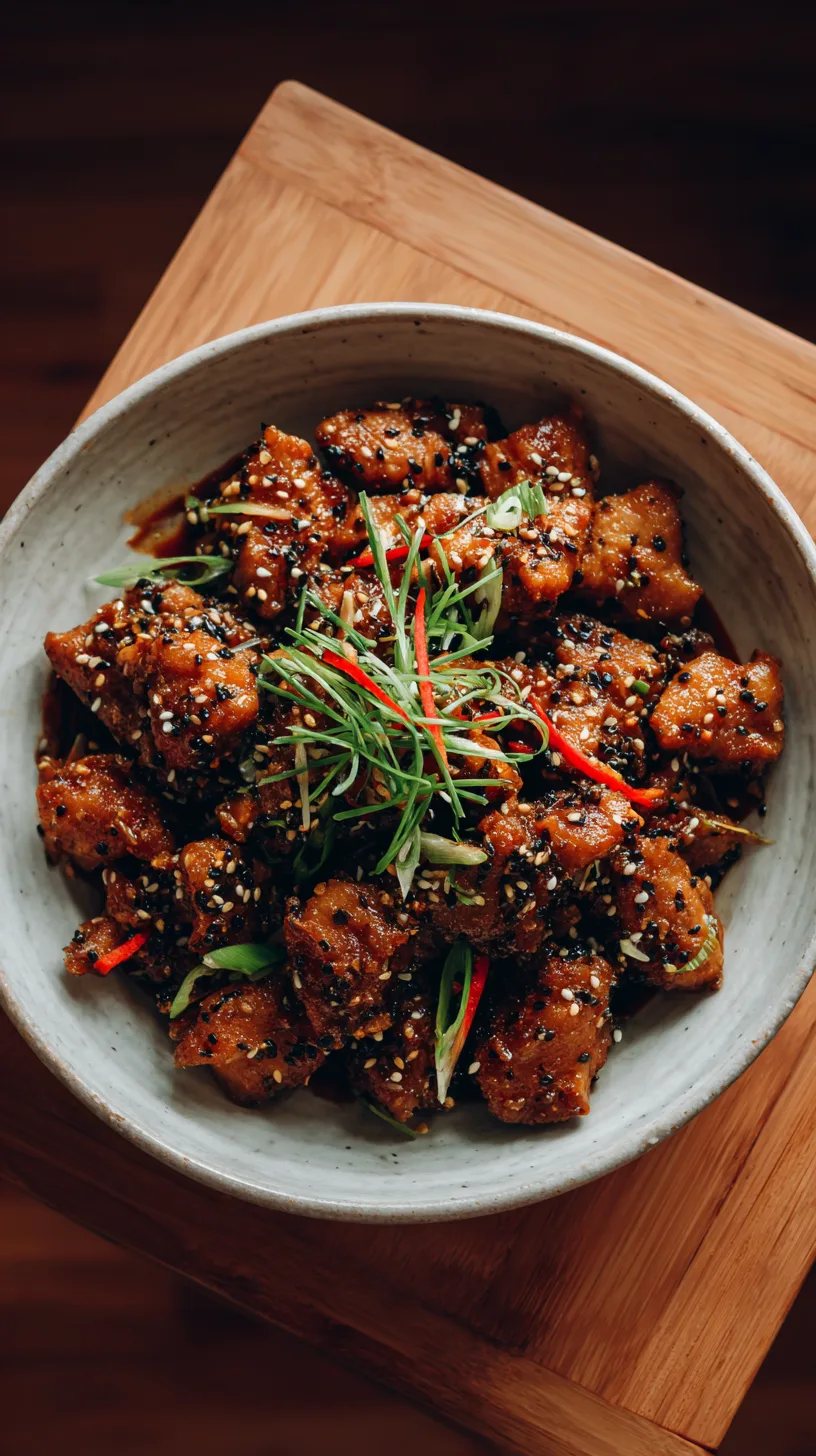
Serving Suggestions
Serve your perfectly crafted Black Pepper Chicken over jasmine rice to absorb the aromatic sauce, or pair with quinoa for added protein. For a low-carb option, serve over cauliflower rice or zucchini noodles.
Create an impressive dinner party presentation by garnishing with fresh cilantro, sliced scallions, and a sprinkle of toasted sesame seeds. The visual contrast elevates this homestyle dish to restaurant presentation standards.
For family-style serving, present in a large ceramic serving bowl with chopsticks and steamed vegetables on the side. This communal approach encourages sharing and creates memorable dining experiences.
Common Mistakes to Avoid
Mistake #1: Using pre-ground black pepper. Fresh-cracked pepper contains volatile oils that dissipate within weeks of grinding.
Mistake #2: Overcrowding the pan. Cook in batches if necessary; overcrowding creates steam instead of the desired searing effect.
Mistake #3: Adding sauce too early. Premature sauce addition creates soggy vegetables instead of crisp-tender texture.
Mistake #4: Insufficient heat. Medium heat won’t achieve proper caramelization or authentic wok hei flavor.
Mistake #5: Over-marinating. Longer than 20 minutes breaks down chicken fibers, creating mushy texture.
Storing Tips for the Recipe
Refrigeration: Store cooled Black Pepper Chicken in airtight containers for up to 3 days. The flavors actually intensify overnight as spices continue penetrating the meat.
Freezing: Freeze for up to 2 months in portion-sized containers. Add extra sauce when reheating to compensate for moisture loss.
Reheating Best Practices: Reheat in a hot skillet rather than microwave to maintain texture. Add 1 tablespoon water to prevent sticking and refresh the sauce.
Meal Prep Strategy: Marinate chicken in advance and store vegetables pre-cut in the refrigerator. This reduces cooking day preparation to just 5 minutes.
This Black Pepper Chicken recipe delivers restaurant-quality results through understanding heat control, ingredient timing, and flavor building techniques. Master these seven secrets, and you’ll never question your ability to create exceptional Asian-inspired dishes at home again. Try this recipe tonight and experience the difference proper technique makes – your taste buds will thank you!
FAQs
Q: Can I make Black Pepper Chicken less spicy?
A: Absolutely! Reduce black pepper by half and add it gradually to taste. You can always add more, but you can’t take it out once incorporated.
Q: Why does my chicken turn out dry?
A: Dry chicken typically results from overcooking or using breast meat without proper marination. Switch to thighs or extend marination time to 15 minutes.
Q: Can I prepare this dish ahead of time?
A: While best served immediately, you can marinate chicken and prep vegetables up to 24 hours ahead. Cook just before serving for optimal texture.
Q: What’s the best pepper to use?
A: Tellicherry black peppercorns provide the most complex flavor profile. Malabar pepper works as an excellent substitute with slightly more heat.
Q: How do I know when the pan is hot enough?
A: Flick a drop of water into the pan – it should sizzle and evaporate within 2 seconds. This indicates proper searing temperature for restaurant-quality results.
Kitchen Mosaic Notes
Thanks for reading! Remember that nutritional values are approximate. For the best results, adapt this recipe to your specific dietary needs.