
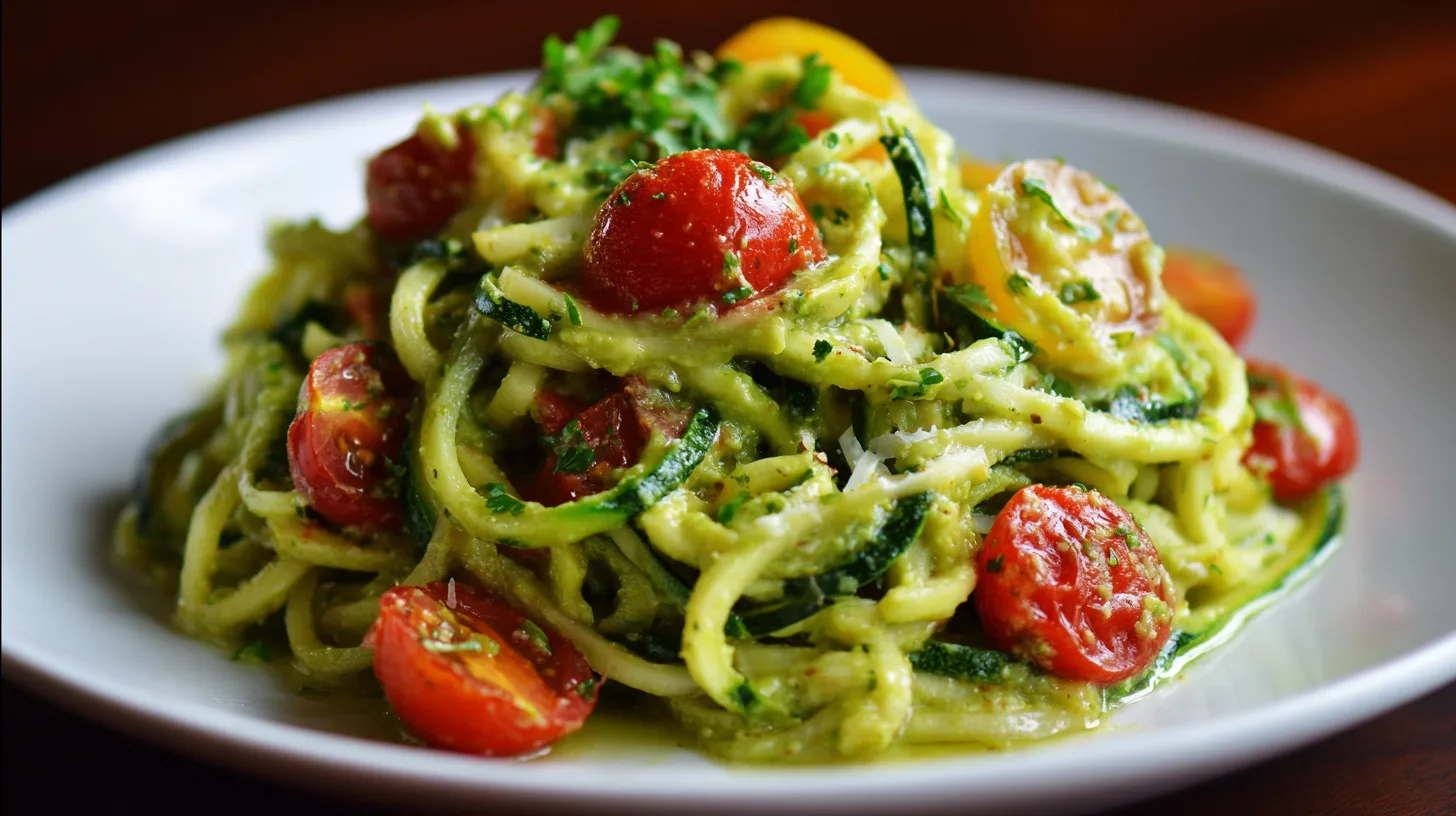
Did you know that replacing traditional pasta with zucchini noodles can slash your daily calorie intake by up to most of while boosting your vegetable consumption by the vast majority of ? If you’re searching for a nutritious, delicious meal that doesn’t compromise on flavor, Avocado Pesto Zucchini Noodles might just be your new go-to dish. This vibrant, nutrient-packed recipe combines the creamy richness of avocado with fresh herbs and tender zucchini spirals, creating a satisfying meal that’s ready in just 15 minutes. Whether you’re following a low-carb lifestyle, seeking plant-based options, or simply want to incorporate more vegetables into your diet, this Avocado Pesto Zucchini Noodles recipe delivers exceptional taste without the guilt.
Ingredients
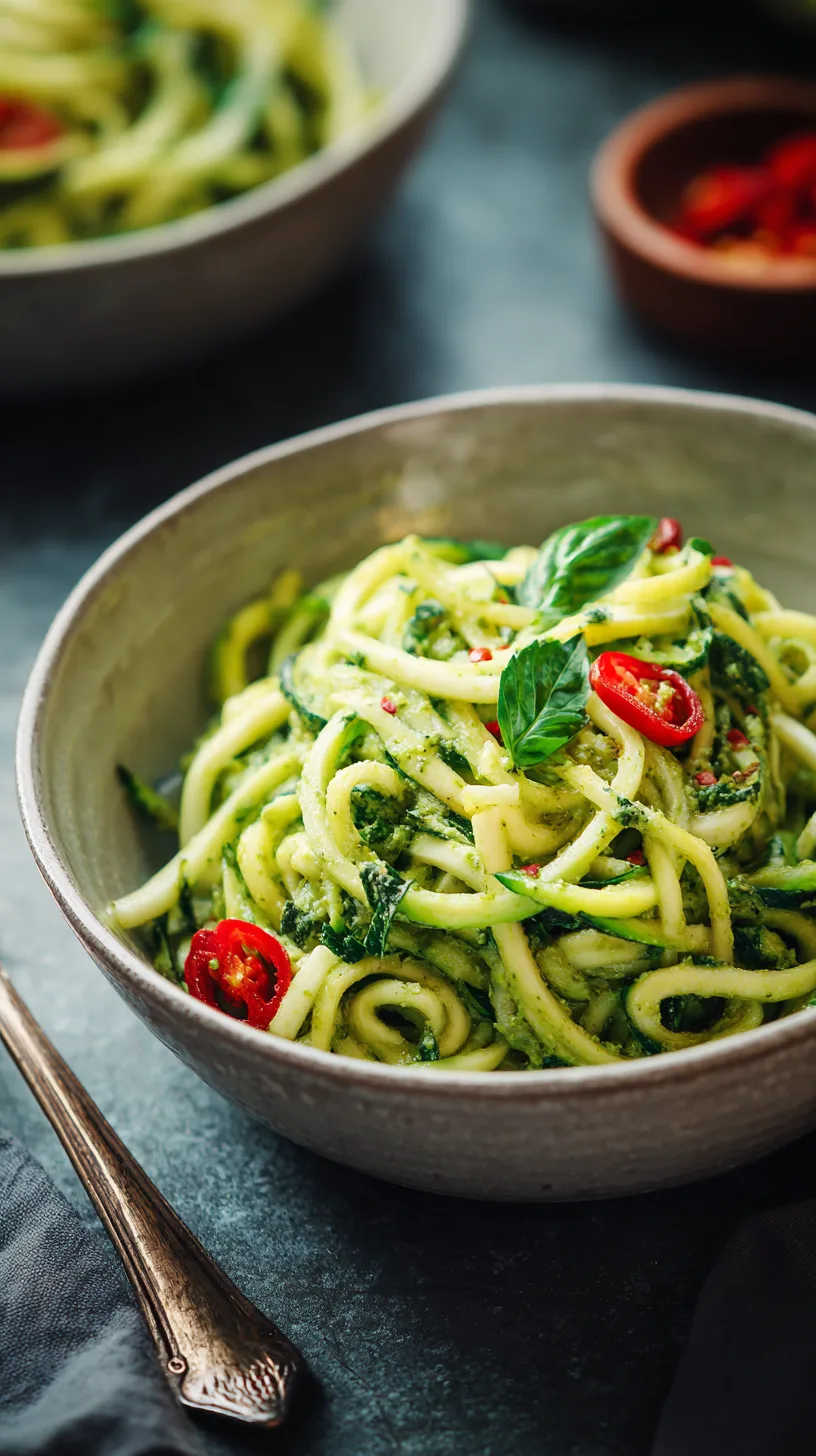
Transform your kitchen into a Mediterranean paradise with these fresh, wholesome ingredients:
For the Zucchini Noodles:
- 4 medium zucchini (about 2 pounds), spiralized into noodles
- 1 tablespoon olive oil
- 1 teaspoon sea salt
For the Creamy Avocado Pesto:
- 2 large ripe avocados, pitted and peeled
- 2 cups fresh basil leaves, packed
- 3 cloves garlic, minced
- 1/3 cup pine nuts (substitute: walnuts or sunflower seeds)
- 1/4 cup fresh lemon juice
- 1/4 cup extra virgin olive oil
- 1/2 cup nutritional yeast (substitute: Parmesan cheese)
- 1 teaspoon salt
- 1/2 teaspoon black pepper
Optional Garnishes:
- Cherry tomatoes, halved
- Fresh basil leaves
- Red pepper flakes
- Toasted pine nuts
Smart Substitutions: No spiralizer? Use a vegetable peeler to create ribbon-style noodles. Replace pine nuts with hemp hearts for added protein, or swap nutritional yeast with freshly grated Pecorino Romano for a more traditional flavor profile.
Timing
Preparation Time: 10 minutes
Cooking Time: 5 minutes
Total Time: 15 minutes
This recipe delivers restaurant-quality results in more than half of less time than traditional pasta dishes, making it perfect for busy weeknights or last-minute entertaining. The minimal cooking time preserves maximum nutrients while ensuring optimal texture.
Step-by-Step Instructions
Prepare Your Zucchini Noodles
Wash and trim the ends of your zucchini. Using a spiralizer, create long, spaghetti-like noodles. If your zucchini are particularly large, gently pat the noodles with paper towels to remove excess moisture—this prevents a watery final dish.
Create the Avocado Pesto Base
In a food processor, pulse pine nuts and garlic until finely chopped. Add avocados, basil leaves, lemon juice, and nutritional yeast. Process while slowly drizzling in olive oil until you achieve a smooth, creamy consistency. Season with salt and pepper, adjusting to taste.
Sauté the Zucchini Noodles
Heat olive oil in a large skillet over medium heat. Add zucchini noodles and salt, tossing gently for 2-3 minutes until slightly softened but still al dente. Overcooking creates mushy noodles—aim for that perfect tender-crisp texture.
Combine and Serve
Remove skillet from heat and immediately toss the warm zucchini noodles with the avocado pesto. The residual heat will slightly warm the sauce while maintaining its vibrant green color and fresh flavor.
Nutritional Information
Each serving of Avocado Pesto Zucchini Noodles provides approximately:
- Calories: 285
- Carbohydrates: 12g (the vast majority of fewer than traditional pasta)
- Protein: 8g
- Healthy Fats: 26g (primarily monounsaturated)
- Fiber: 9g (a significant portion of daily recommended intake)
- Vitamin K: most of dv
- Folate: a significant portion of dv
- Potassium: 894mg
This nutrient-dense meal provides heart-healthy fats from avocados, anti-inflammatory compounds from fresh herbs, and essential vitamins while supporting healthy digestion through high fiber content.
Healthier Alternatives for the Recipe
Lower Calorie Version: Replace half the avocado with steamed cauliflower for a lighter, equally creamy pesto with a significant portion of fewer calories.
Protein Boost: Add grilled chicken, hemp seeds, or white beans to increase protein content to 20-25g per serving.
Nut-Free Option: Substitute pine nuts with roasted sunflower seeds or pumpkin seeds for those with tree nut allergies.
Keto-Friendly: Increase olive oil and add MCT oil for higher fat content while keeping carbs under 8g net per serving.
Vegan Plus: Ensure you’re using nutritional yeast instead of cheese, and add a tablespoon of tahini for extra creaminess and plant-based protein.
Serving Suggestions
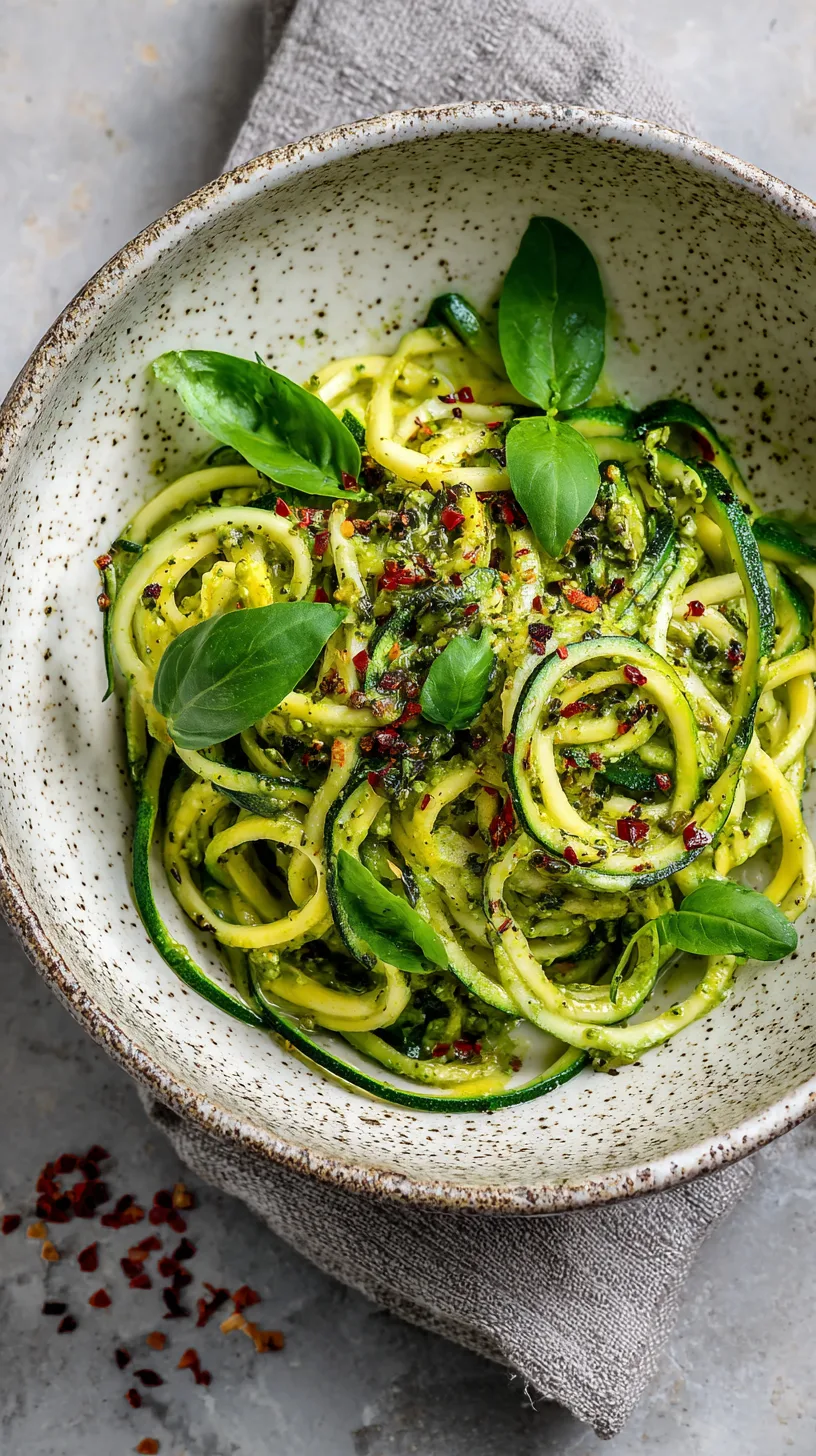
Transform this versatile dish into a complete meal experience. Serve Avocado Pesto Zucchini Noodles as an elegant starter for dinner parties, or bulk it up with grilled shrimp or salmon for a satisfying entrée.
Create a Mediterranean-inspired bowl by adding halved cherry tomatoes, kalamata olives, and crumbled feta cheese. For a Mexican twist, incorporate black beans, corn, and a squeeze of lime with cilantro.
Pair with a crisp Sauvignon Blanc or refreshing cucumber water for the perfect complement to the dish’s fresh, herbaceous flavors.
Common Mistakes to Avoid
Over-spiralizing: Creating noodles too thin results in mushy texture. Aim for medium-thickness spirals that maintain structural integrity when heated.
Skipping the Salt Step: Not salting zucchini noodles removes excess water. This crucial step prevents diluted pesto flavor.
Making Pesto Too Early: Avocado pesto browns quickly due to oxidation. Prepare it just before serving, or add extra lemon juice as a natural preservative.
Overcooking: Zucchini noodles need minimal heat. Extended cooking time creates a soggy, unappetizing texture that resembles overcooked pasta.
Research shows that most of home cooks overcook vegetables, leading to nutrient loss and poor texture.
Storing Tips for the Recipe
Fresh Storage: Consume Avocado Pesto Zucchini Noodles immediately for optimal taste and texture. If storing leftovers, keep components separate in airtight containers for up to 2 days.
Pesto Preservation: Store avocado pesto with plastic wrap pressed directly onto the surface to minimize air exposure. Add extra lemon juice to maintain color.
Prep-Ahead Strategy: Spiralize zucchini up to 24 hours in advance. Store in refrigerator with paper towels to absorb moisture.
Freezing Options: While not recommended for the complete dish, you can freeze the pesto (without avocado) for up to 3 months. Add fresh avocado when ready to serve.
Avocado Pesto Zucchini Noodles represent the perfect marriage of health, convenience, and incredible flavor. This recipe proves that eating nutritiously doesn’t mean sacrificing taste or satisfaction. With its impressive nutritional profile, 15-minute preparation time, and endless customization options, it’s no wonder this dish has become a favorite among health-conscious food enthusiasts.
Ready to revolutionize your dinner routine? Grab your spiralizer and fresh ingredients—your taste buds and body will thank you! Share your creative variations in the comments below, and don’t forget to tag us on social media with your beautiful creations.
FAQs
Q: Can I make Avocado Pesto Zucchini Noodles without a spiralizer?
A: Absolutely! Use a vegetable peeler to create flat ribbon noodles, or try a julienne peeler for thin matchstick cuts. Both alternatives work beautifully with the creamy pesto.
Q: How do I prevent my avocado pesto from turning brown?
A: Add extra lemon juice (natural antioxidant), press plastic wrap directly onto the pesto surface, and store in refrigerator immediately. Consume within 24 hours for best color retention.
Q: Is this recipe suitable for meal prep?
A: While best enjoyed fresh, you can prep components separately. Store spiralized zucchini and pesto in separate containers for up to 2 days, then combine just before serving.
Q: Can I substitute the zucchini with other vegetables?
A: Yes! Try yellow squash, cucumber ribbons, or even spiralized sweet potatoes for variety. Cooking times may vary slightly depending on vegetable density.
Q: What’s the best way to ensure my zucchini noodles aren’t watery?
A: Pat spiralized noodles with paper towels, salt them lightly, and let sit for 10 minutes before cooking. This draws out excess moisture naturally.
Kitchen Mosaic Notes
Thanks for reading! Remember that nutritional values are approximate. For the best results, adapt this recipe to your specific dietary needs.